
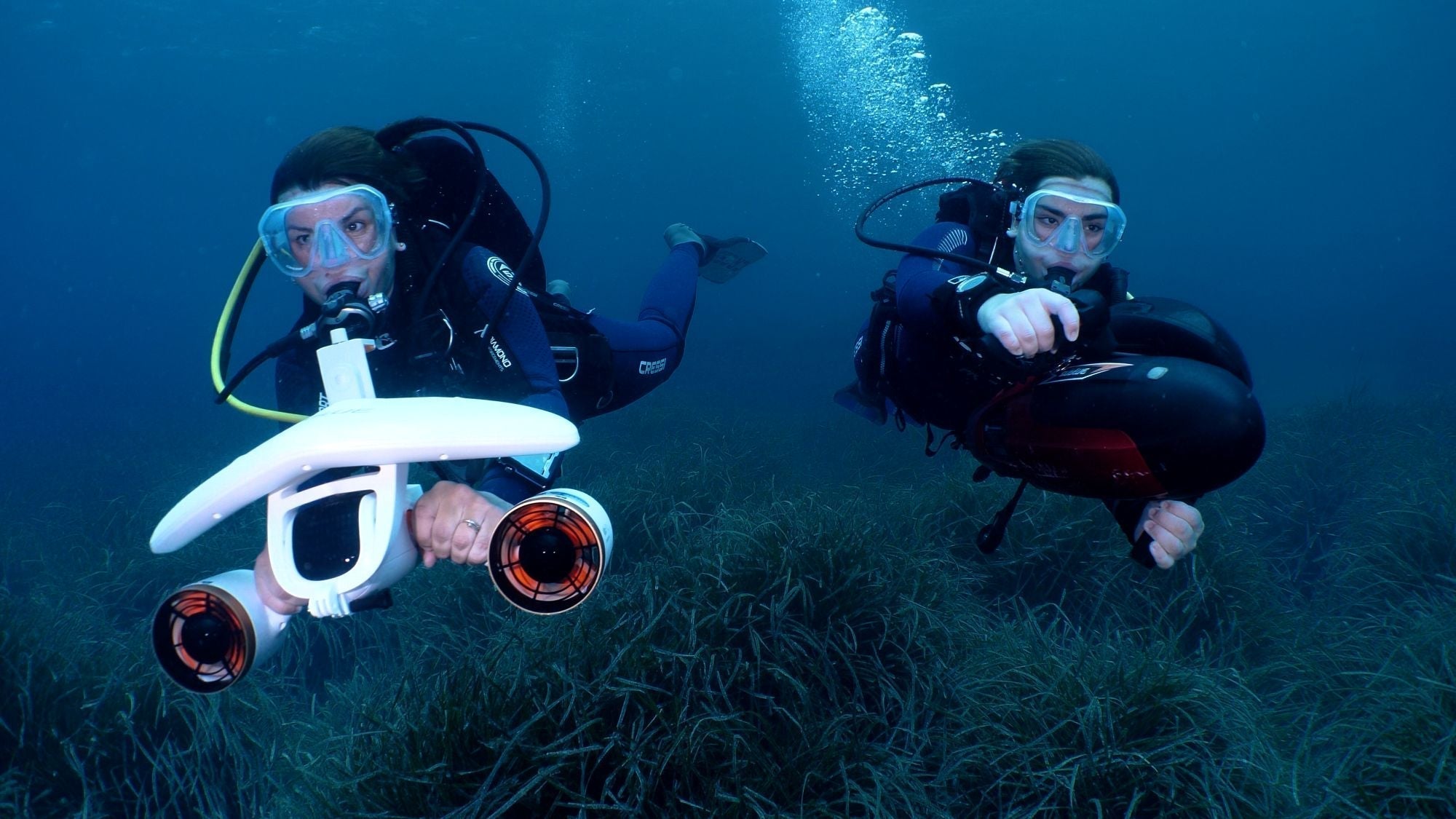
You slip beneath the surface, leaving the noise of the world above for the ocean’s profound silence. It is just you and the deep blue, a connection that draws us to explore on a single breath. However, this beauty conceals a strict reality; physics dictates the risks of every descent, regardless of your skill level. To stay safe, there is one single rule that stands above all others—a critical instruction that keeps every freediver, from novice to world champion, alive.

The Number One Rule in Freediving
The answer is absolute: Never Dive Alone.
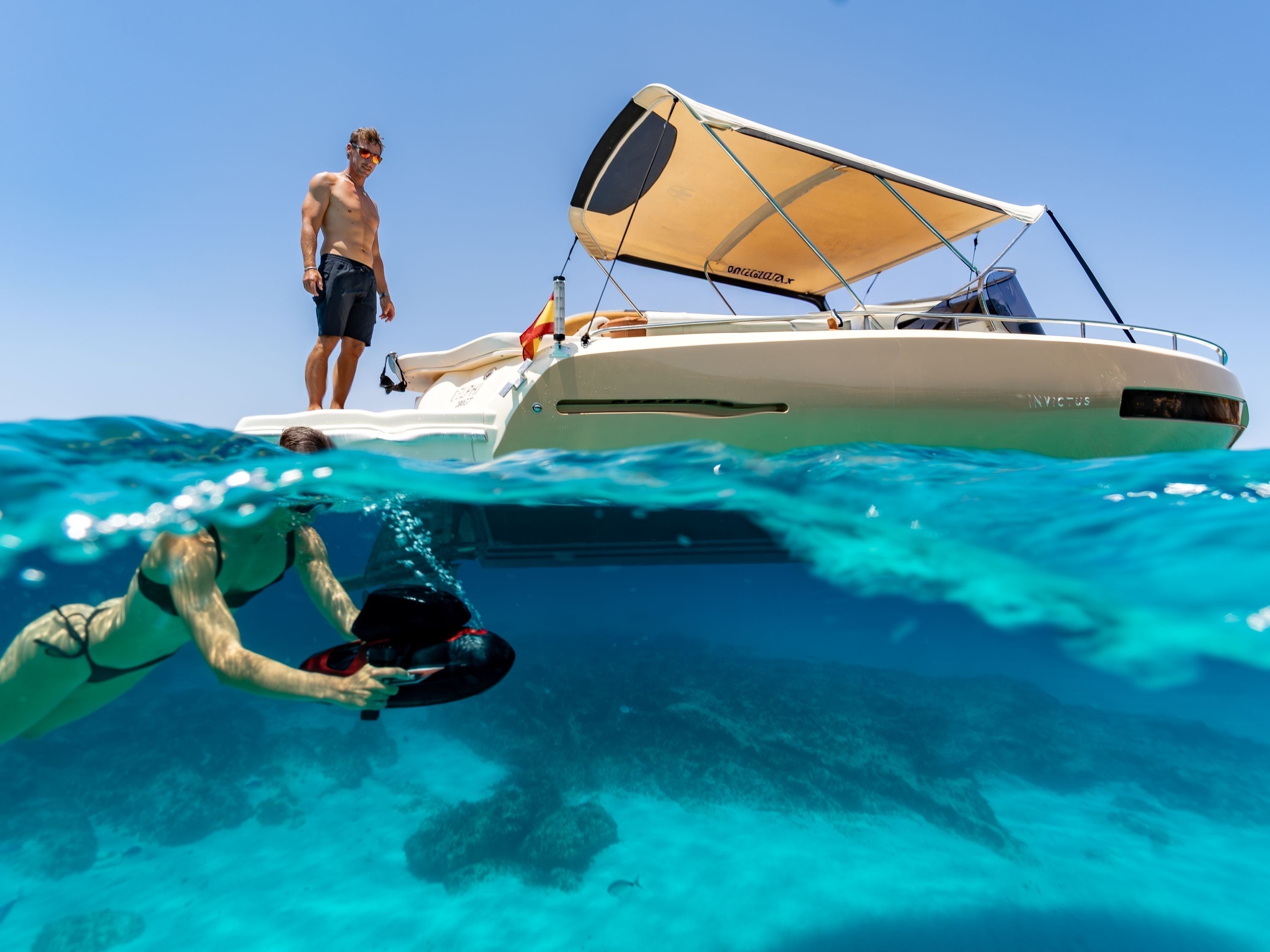
In the diving community, we call this the Buddy System. It means you always have a partner dedicated to watching your back while you are underwater. This rule is not just a suggestion; it is your primary defense against the ocean's risks. In this article, we will examine why this rule is essential, how to practice it, and how tools like Sublue scooters can support your team.
The Real Reason You Need a Buddy in Freediving
The buddy system isn't just for beginners who might panic. The real reason we dive in pairs is biological: your body reacts to water pressure in ways you cannot control.
The Main Danger: Shallow Water Blackout
Shallow Water Blackout (SWB) is the number one cause of fatalities in freediving. It has nothing to do with fear; it is a physiological shutdown.
Crucially, this often happens to experts. You can feel completely fine and energized one moment, then lose consciousness the next without warning. No amount of skill can change your physiology.
Why You Faint Near the Surface
It comes down to pressure changes during your ascent.
- At Depth: Water pressure squeezes your lungs, concentrating the oxygen in your blood. This tricks your brain into thinking you have plenty of air.
- The Ascent: As you return to the surface, pressure drops and your lungs expand.
- The Danger Zone: In the final 10 meters (33 feet), oxygen levels in your blood plummet rapidly. Your brain essentially flips a breaker switch to save energy, causing you to faint just steps away from fresh air.
If a buddy is there, it is a simple rescue. They grab you, hold your face above water, and remove your mask. In most cases, the fresh air triggers your reflexes, and you wake up within seconds.

How to Use the Buddy System in Freediving
Knowing the risks is only half the battle. You also need a strict protocol to ensure safety. Simply being in the same water as a friend is not enough; you must actively watch each other using a specific system.
The "One Up, One Down" Rule
The most effective method is known as "One Up, One Down." It functions like a relay team where you never dive at the same time:
- The Diver: One person takes a breath and descends to explore.
- The Buddy: The partner stays on the surface, resting and watching.
- The Switch: The surface buddy only begins their dive after the first diver has returned and fully recovered.
This guarantees that a fresh, rested pair of eyes is always monitoring the person underwater.
Constant Visual Contact
You are not a buddy if you are looking at the reef or checking your camera while your partner is down. Your sole responsibility is to track them.
You must watch their entire dive, but pay special attention to the ascent. Since most blackouts happen near the surface, you need to be ready to act the moment they enter that danger zone. If the water is murky, stay close enough to see their outline at all times.
Communicate Before You Dive
Safety starts before you even get in the water. Agree on a clear plan with your partner:
- Depth: How deep do we intend to go?
- Time: What is the maximum duration for each dive?
If your buddy knows you usually dive for one minute, but you have been down for two, they will know immediately that something is wrong. Clear communication removes the guesswork and speeds up reaction time.

How to Reduce Risks with Underwater Scooters
While a buddy is irreplaceable, the right gear can significantly reduce the physical stress that leads to accidents. Here is how adding a scooter helps manage risk.
Save Oxygen and Energy
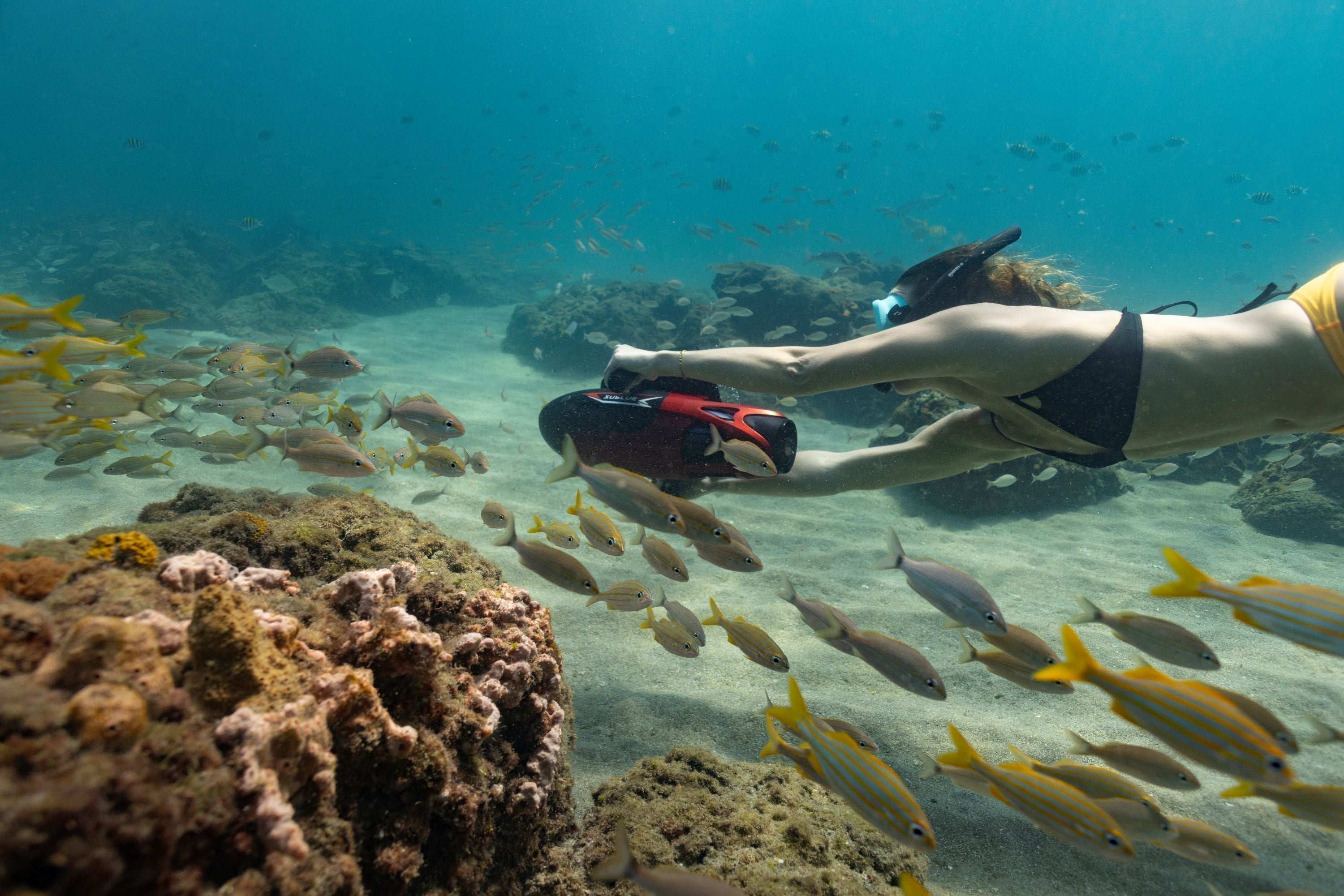
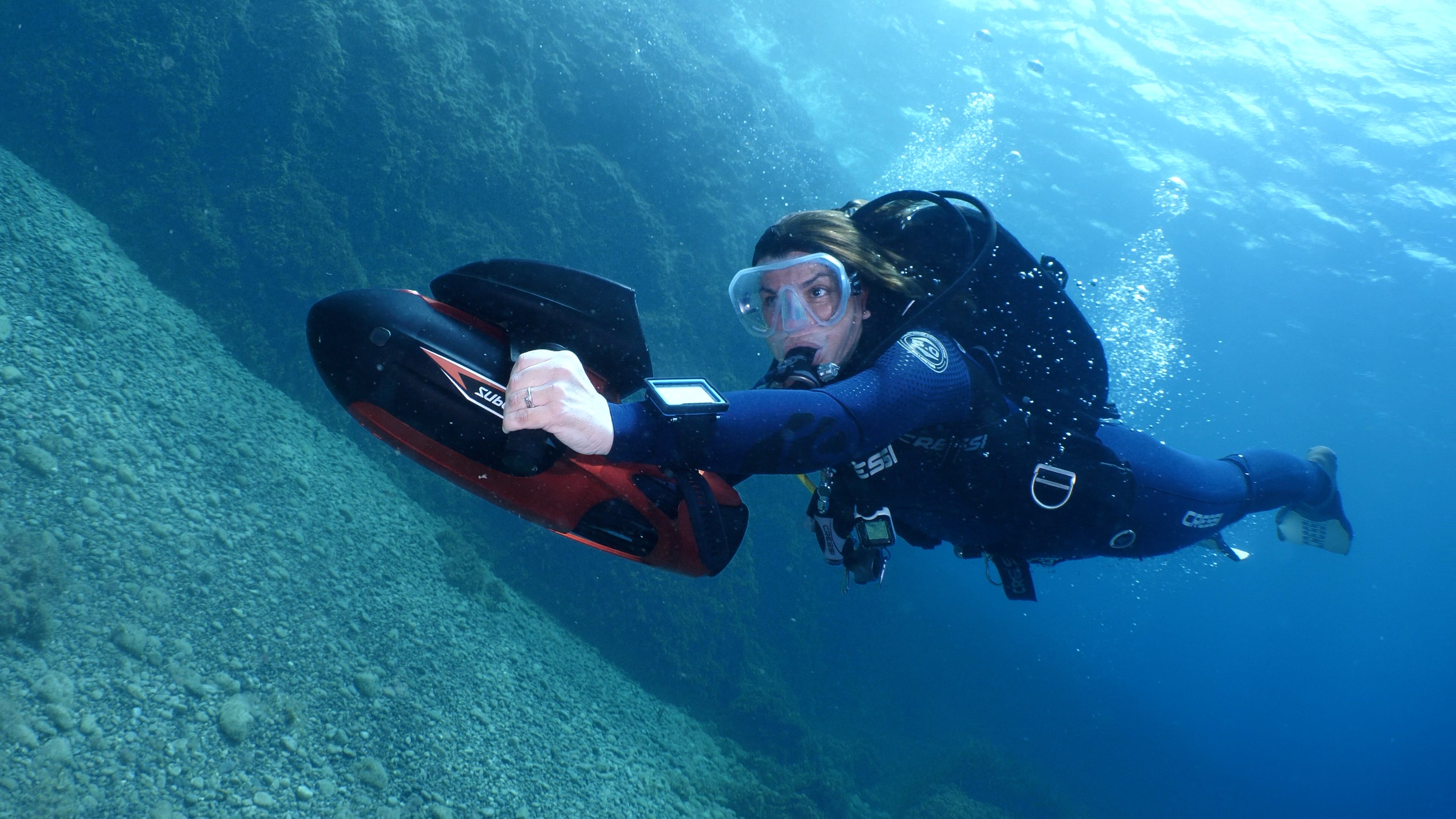
Physical exertion is the biggest drain on your breath-hold. Kicking hard burns oxygen and spikes your heart rate, bringing you closer to a blackout. Using an underwater scooter like the Sublue Navbow handles the propulsion for you, keeping your heart rate low and preserving your oxygen for the dive itself.
Overcome Strong Currents
Fighting against a drift is a fast track to exhaustion and panic. A water scooter allows you to cut through currents effortlessly. This ensures you always have the energy to return to the boat or shore safely, rather than struggling against the flow when you are already tired.
Tow a Tired Partner
If your buddy gets a leg cramp or is too exhausted to swim, high-thrust gear becomes a rescue tool. The Sublue Vapor offers 21kgf of thrust, which is powerful enough to tow an adult. You can essentially act as a "taxi," pulling a tired partner back to safety without putting yourself at risk.
Move Fast in Emergencies
In a safety drill or urgent situation, you may need to close the distance immediately. Sublue scooters feature a Turbo mode that provides an immediate burst of speed. This allows you to reach a distressed buddy or get to the surface instantly when seconds count.

Always Dive with a Partner!
The ocean is unforgiving, and Shallow Water Blackout remains a silent threat that ignores your skill level. While technology like Sublue scooters acts as a powerful aid to reduce fatigue and handle currents, it never replaces the laws of physiology. The best diver is always the safest diver. Use the right gear to extend your fun, but trust the buddy system to save your life. Before you pack your scooter for the next adventure, make sure you bring the most important piece of equipment: your friend.
FAQs about Freediving Safety
Q1: How long should I rest between dives?
A good rule of thumb is to rest on the surface for at least twice the duration of your last dive. If you were underwater for one minute, you should rest for two minutes. This recovery time allows your oxygen levels to return to normal and clears carbon dioxide from your system, ensuring you are physically ready for the next breath-hold.
Q2: Will I feel dizzy before a blackout happens?
Usually, no. Shallow Water Blackout is dangerous precisely because it is silent and painless. You will not gasp for air or feel "faint" beforehand; your brain simply shuts down to save energy. You cannot rely on your feelings to warn you, which is why having a buddy watching you is the only way to stay safe.
Q3: Can I dive alone if I use an underwater scooter?
No. A scooter is a helpful tool for saving energy, but it cannot save your life if you pass out. Electronics can malfunction, and batteries can run out. The "Never Dive Alone" rule applies every time you enter the water, regardless of what equipment you are using. An underwater scooter never replaces a human partner.







Share:
Common Types of Scuba Diving
Whole world's First Portable Dual-Motor Underwater Scooter -- A New Era of Enjoyable and Security