
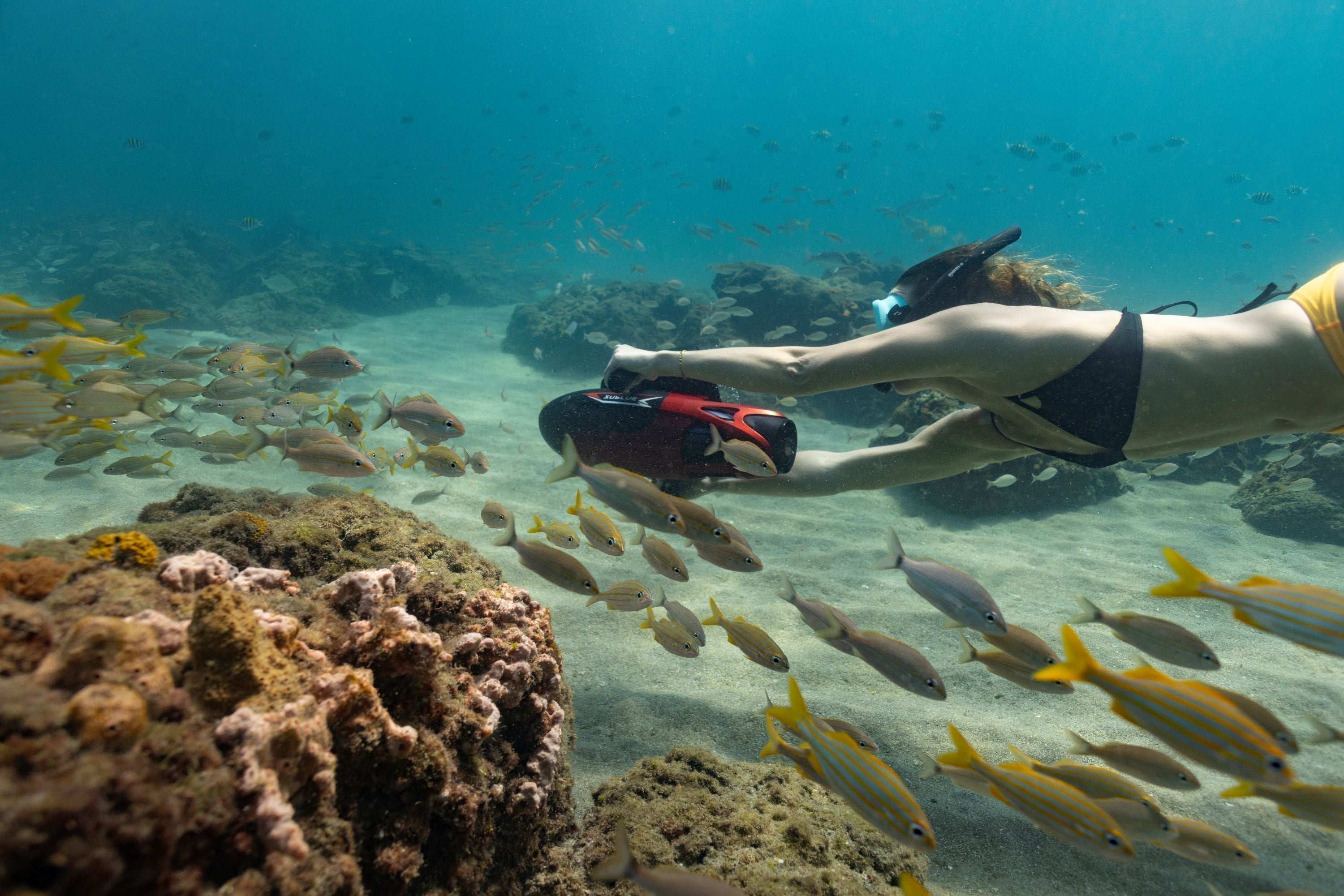
Scuba diving isn't just one single activity. Different locations and ways of getting into the water offer completely different experiences. Knowing the various types of diving helps you choose the right gear and training based on what you actually enjoy. Whether you’re walking into a shallow reef from the beach or taking a boat to a remote coral reef, each style has its own appeal. From drifting with the current to exploring old shipwrecks, there is an option for everyone. As long as you have the right training, there is a lot to see down there.

A Quick Reference for Scuba Diving Types
| Dive Type | Best For... | Primary Requirement |
| Shore Diving | Budget flexibility and independent schedules | Physical stamina for carrying gear on land |
| Boat Diving | Reaching remote reefs and pristine sites | Knowledge of vessel entry techniques |
| Wall Diving | Seeing large pelagic fish and deep drop-offs | Constant depth and gauge monitoring |
| Drift Diving | Effortless movement over long distances or for those using underwater scooters to explore even faster. | Precise neutral buoyancy control |
| Cavern Diving | Seeing rock formations with natural light | Staying within the designated light zone |
| Cave Diving | Technical exploration in total darkness | Advanced certification and redundant gear |
| Wreck Diving | History enthusiasts and artificial reef life | Awareness of snag hazards and silting |
| Night Diving | Observing nocturnal hunters and bioluminescence | Proficiency with underwater torches and signals |
| Ice Diving | Extreme visibility and unique light patterns | Dry suits and surface tether systems |
Shore vs. Boat Diving: Classification by Entry Method
The first way to categorize a dive is by the path you take to reach the water. Whether you start from solid ground or a floating platform determines your logistics, costs, and the physical effort required.
Shore Diving
Shore diving involves entering the water directly from a beach, jetty, or rocky ledge. This method provides maximum independence, as it eliminates boat fees and rigid departure schedules. Because these sites are usually close to land, the shallower depths offer better natural light and extended air duration. It is ideal for beginners refining buoyancy and macro photographers who require long, stationary sessions. However, it is physically demanding; divers must carry heavy equipment—often exceeding 20kg—while navigating surf or uneven terrain.
Boat Diving
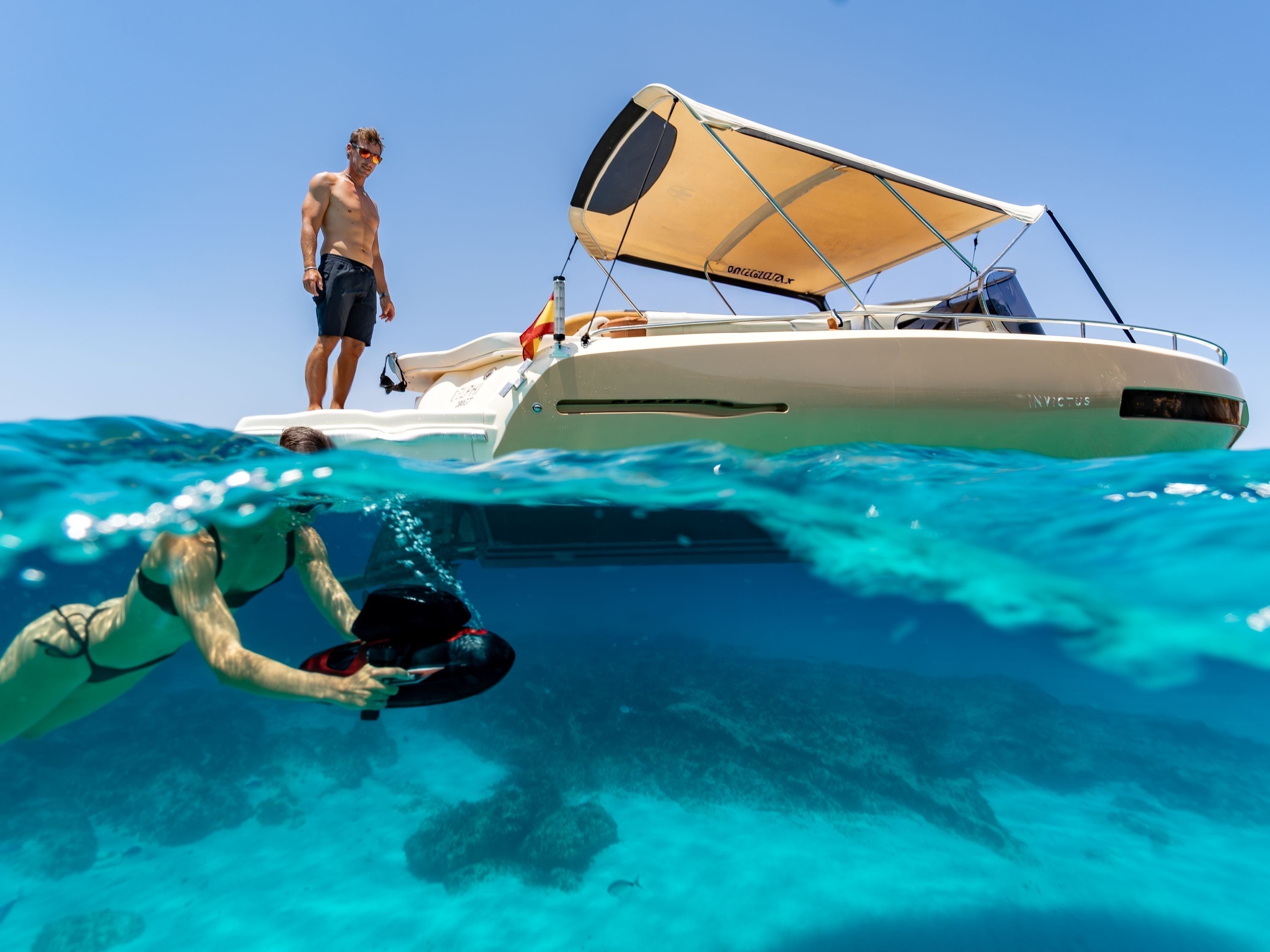
Boat diving utilizes ships ranging from small inflatables to large liveaboards to reach offshore reefs and deep-sea wrecks. This method provides access to pristine environments with higher fish density and allows divers to rest on deck during surface intervals. While more expensive and subject to a captain's timeline, it reduces the need for long hikes in heavy gear. Entry techniques are determined by the vessel's design: large boats with stable platforms utilize the giant stride, where you step boldly into the water, while smaller boats with low sides require a back roll, falling backward off the gunwale to clear the hull safely.

Wall, Drift, and Cave Diving: Classification by Environment
Underwater topography and water movement dictate how a diver manages depth, buoyancy, and safety. These categories are defined by the physical nature of the site rather than the entry method.
Wall Diving
Wall diving occurs along vertical reef edges or cliffs that drop into deep water. Because there is no sea floor for reference, constant depth monitoring is mandatory to stay within safety limits. The wall serves as a habitat for small organisms in its crevices, while the open-water side provides frequent sightings of large pelagic species like sharks or rays.
Drift Diving
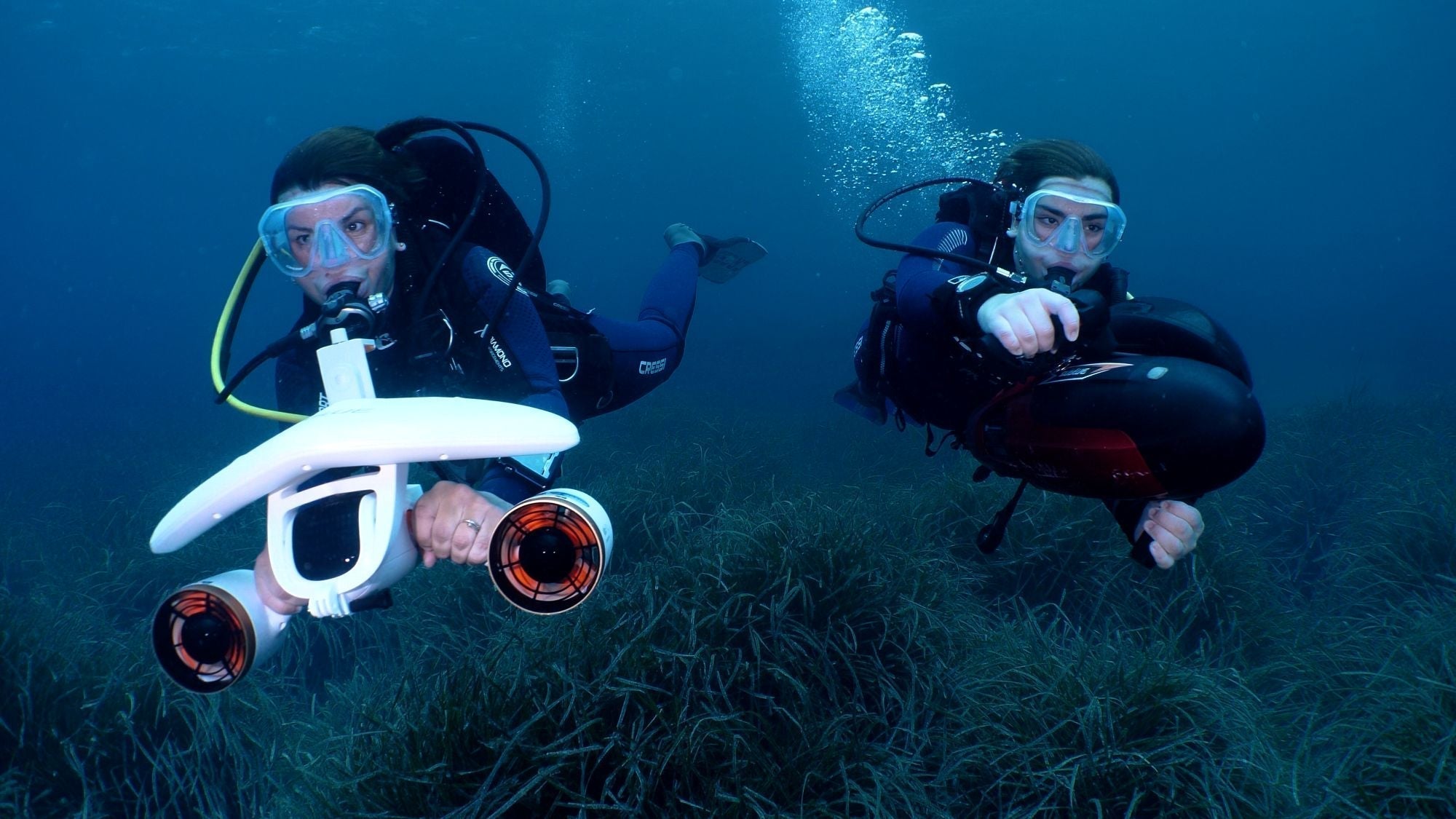
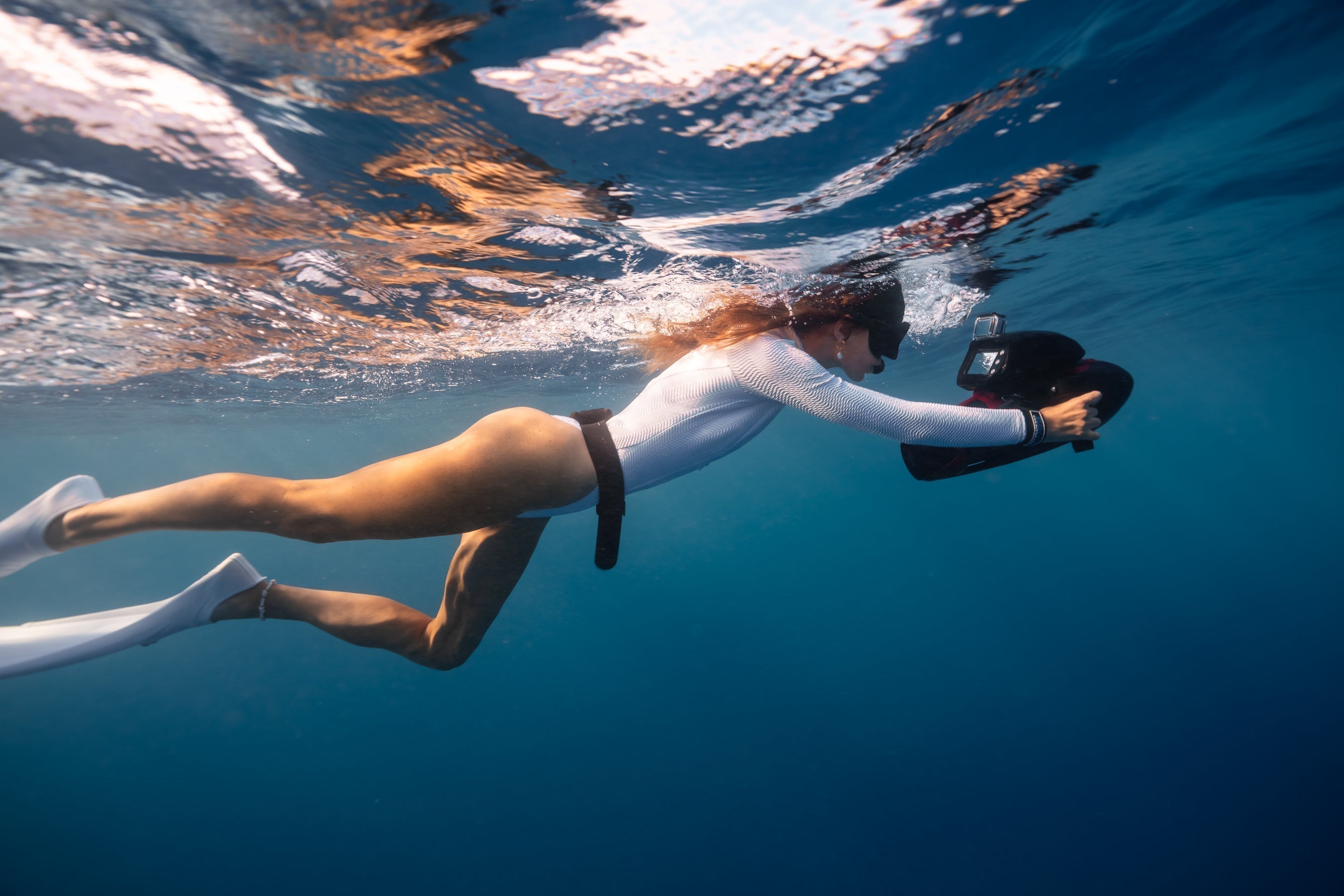
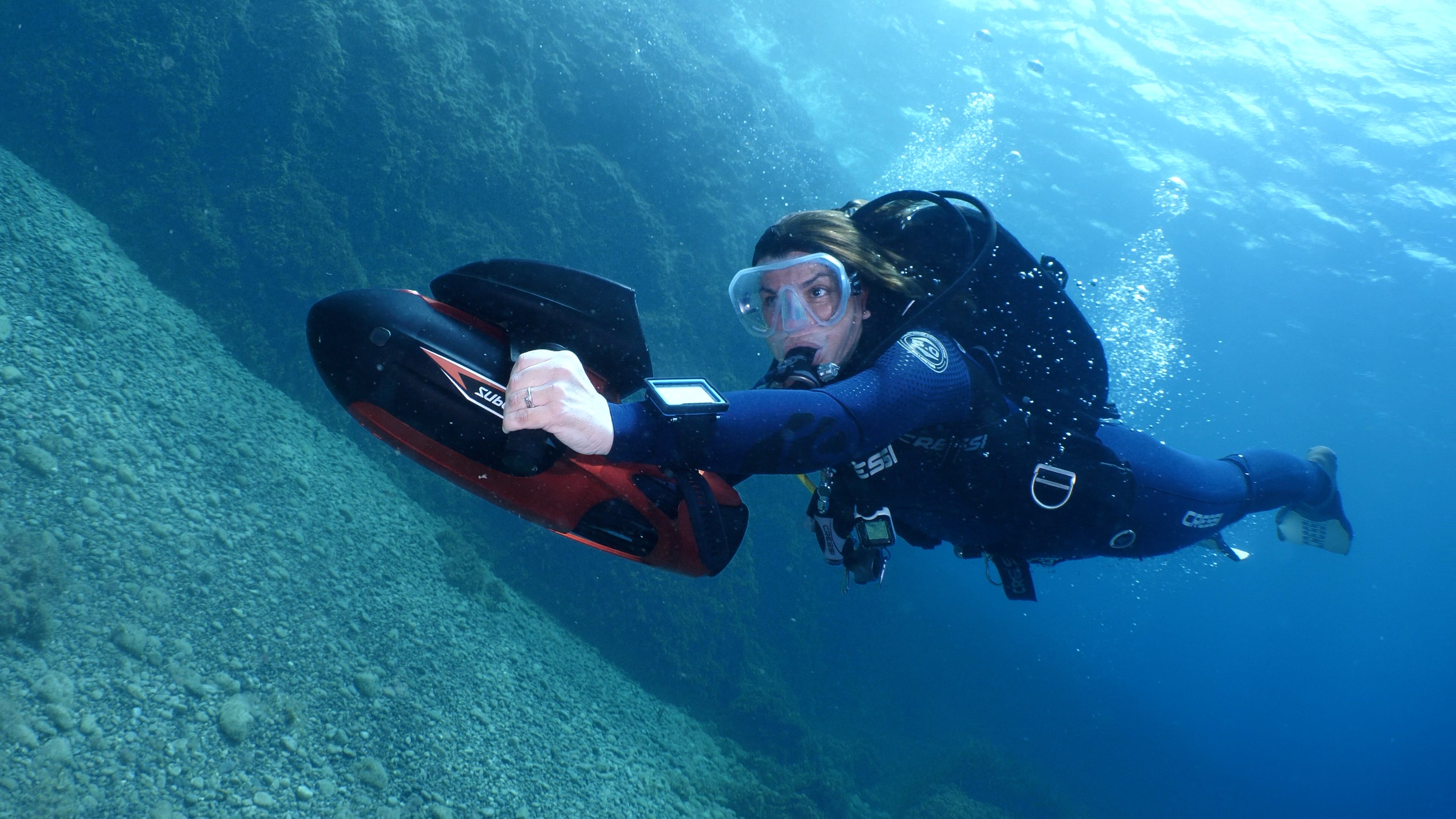
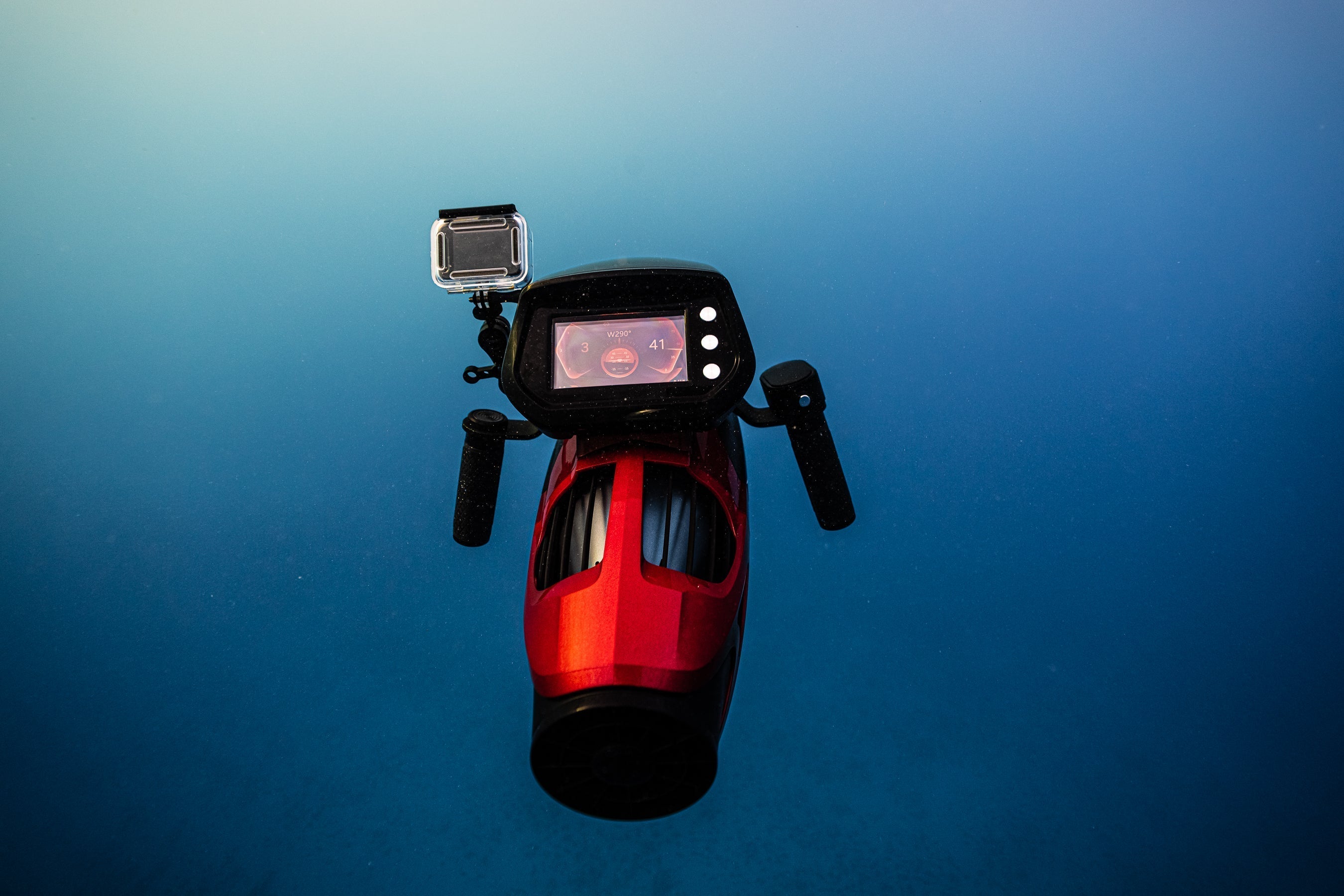
Drift diving involves riding natural water currents rather than swimming. This method allows you to cover long distances with minimal physical effort. To further enhance this experience and maintain better control against or across the flow, many divers use underwater scooters to navigate through the currents effortlessly. Precise buoyancy control is the critical skill here to avoid collisions with the reef at high speeds. These dives require a surface boat to follow your bubbles and retrieve you at the end of the current's path.
Cavern vs. Cave Diving
Overhead diving is defined by a ceiling that prevents a direct vertical ascent. The classification depends on light access and training requirements:
- Cavern Diving: Conducted within the "light zone" of an entrance. Divers must stay within a 60-meter (200-foot) linear distance from the opening and maintain a constant view of natural light.
-
Cave Diving: A technical discipline involving penetration beyond natural light. This requires specialized certification, redundant air systems, and the use of physical guidelines for navigation in total darkness.

Wreck, Night, and Ice Diving: Classification by Activity
Activity-based dives are defined by a specific objective or timing. These categories require specialized gear and procedures to manage the unique environments found within sunken structures, darkness, or extreme cold.
Wreck Diving
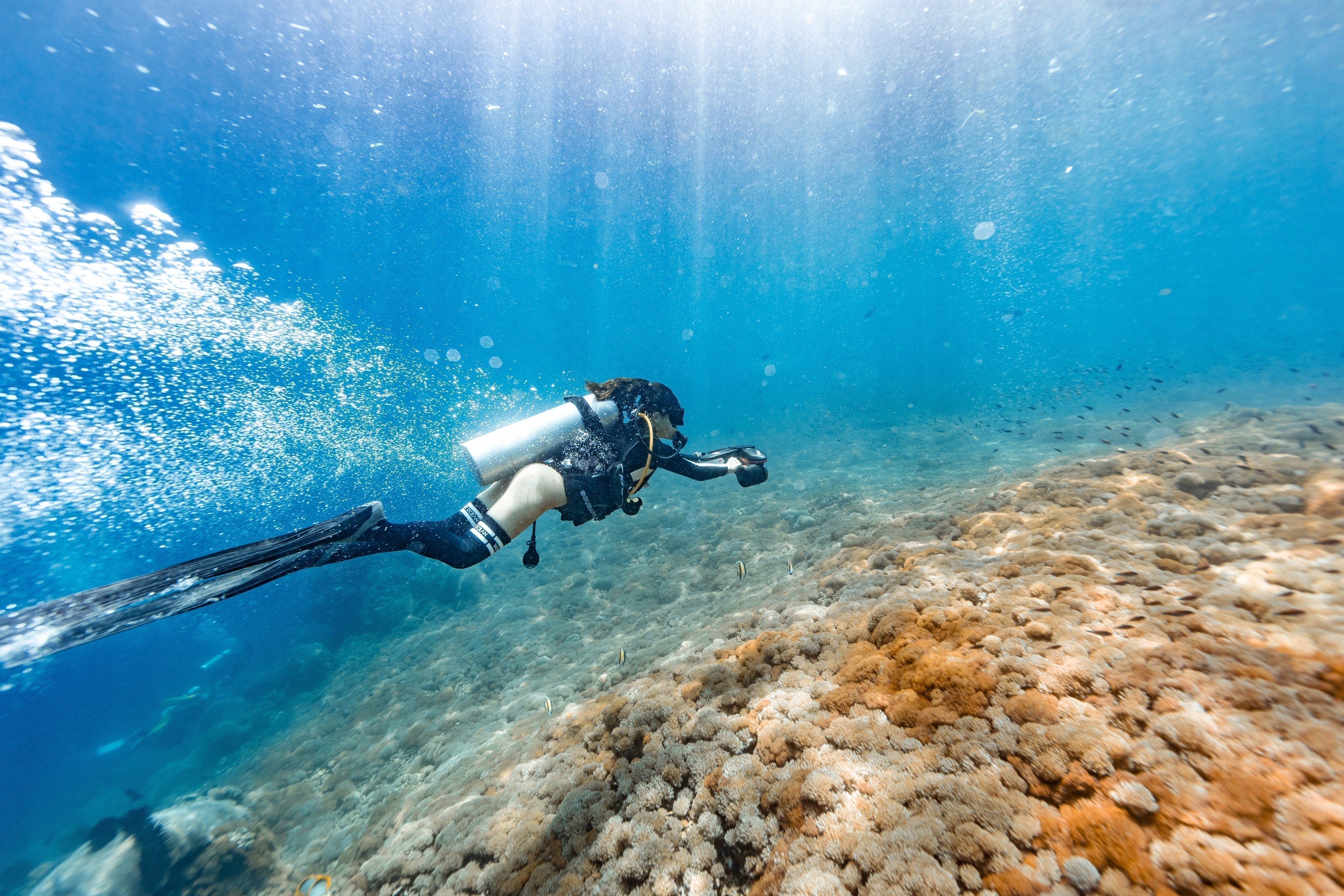
Wreck diving involves exploring sunken ships, aircraft, or artificial reefs. Wrecks act as concentrated ecosystems. For larger sites, an underwater scooter is a valuable tool, allowing you to cruise the entire length of a ship's exterior without exhausting your air supply. Divers typically choose between external tours or advanced penetration. While external observation is common, entering a wreck requires specialized training to navigate confined spaces safely. Penetration demands precise buoyancy and awareness to avoid snag hazards or "silt-outs," where disturbed sediment causes a total loss of visibility.
Night Diving
Night diving begins after sunset and utilizes underwater torches as the primary light source. This shift in timing reveals a different ecosystem: diurnal fish retreat to the reef, and nocturnal predators like octopuses, moray eels, and lobsters emerge to hunt. Divers may also witness bioluminescence—plankton that emit light when disturbed. Because visibility is restricted to the torch beam, communication relies on specific light signals, and divers must maintain closer proximity to their buddies than during daylight.
Ice Diving
Ice diving is an extreme discipline conducted beneath a frozen surface through a cut entry hole. To survive near-freezing temperatures, divers use dry suits and specialized cold-water regulators. The environment offers superior water clarity and unique light diffusion through the ice, but it is an "overhead environment" with only one exit. Safety depends on a tether system, where a line connects each diver to a surface support team. This team remains above the ice to monitor the diver’s location and manage the lifeline at all times.

Dive into New Environments!
The underwater world consists of diverse landscapes, from shallow shorelines to dark caves and frozen surfaces. Each category offers unique visual rewards but requires specific technical preparation and safety protocols. While the gear and entry methods change depending on the site, the core of a successful dive remains consistent: proper training and environmental awareness. Experience different dive types to gain a complete perspective of the ocean.
FAQs About Scuba Diving Types
Q1: What is the difference between shore diving and boat diving?
Shore diving involves walking into the water from land, offering more schedule flexibility and lower costs but requiring the stamina to carry gear across terrain. Boat diving uses a vessel to reach remote offshore sites, saving you from long swims and heavy hikes at the expense of higher fees and a fixed departure timeline.
Q2: Do you need a license to go cave diving?
Yes. While a standard license allows for cavern diving within the "light zone," entering total darkness requires a technical cave diving certification. This specialized training is mandatory to master the complex gas management and navigation skills needed when there is no direct vertical access to the surface.
Q3: What are the advantages of drift diving?
The main advantage is effortless movement; the current carries you, which reduces physical exertion and often extends your air supply. This allows you to cover much larger distances. In fact, many professional divers pair this with underwater scooters to maximize their range and explore vast reef systems in a single session.
Q4: How do you qualify for wreck diving?
You can observe wrecks from the outside with a basic Open Water certification. However, to stay safe around these structures, most divers obtain a Wreck Specialty certification. To actually enter a wreck (penetration), you must complete advanced technical training to manage the risks of overhead environments and confined spaces.



Share:
How to Make a Yacht Party Fun with Underwater Scooters?
What is the No. 1 Rule in Freediving?