
Gliding effortlessly through the water requires a device specifically matched to your environment. An underwater scooter designed for casual snorkeling operates on entirely different principles than a unit built for deep technical wrecks. This guide analyzes these functional differences to help you identify which Diver Propulsion Vehicle (DPV) category aligns with your actual diving requirements.

Recreational / Travel Scooters: For Snorkeling and Travel
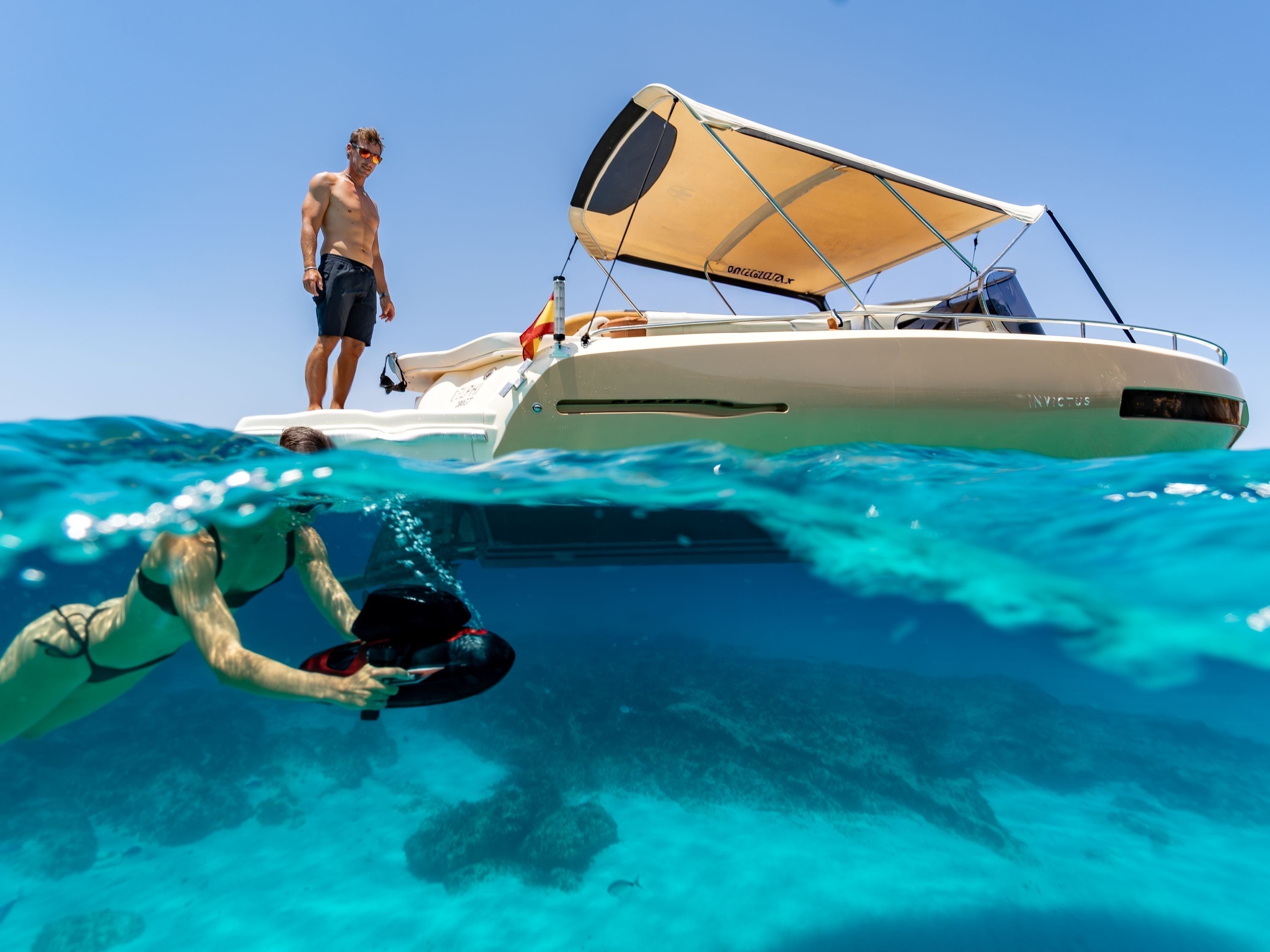
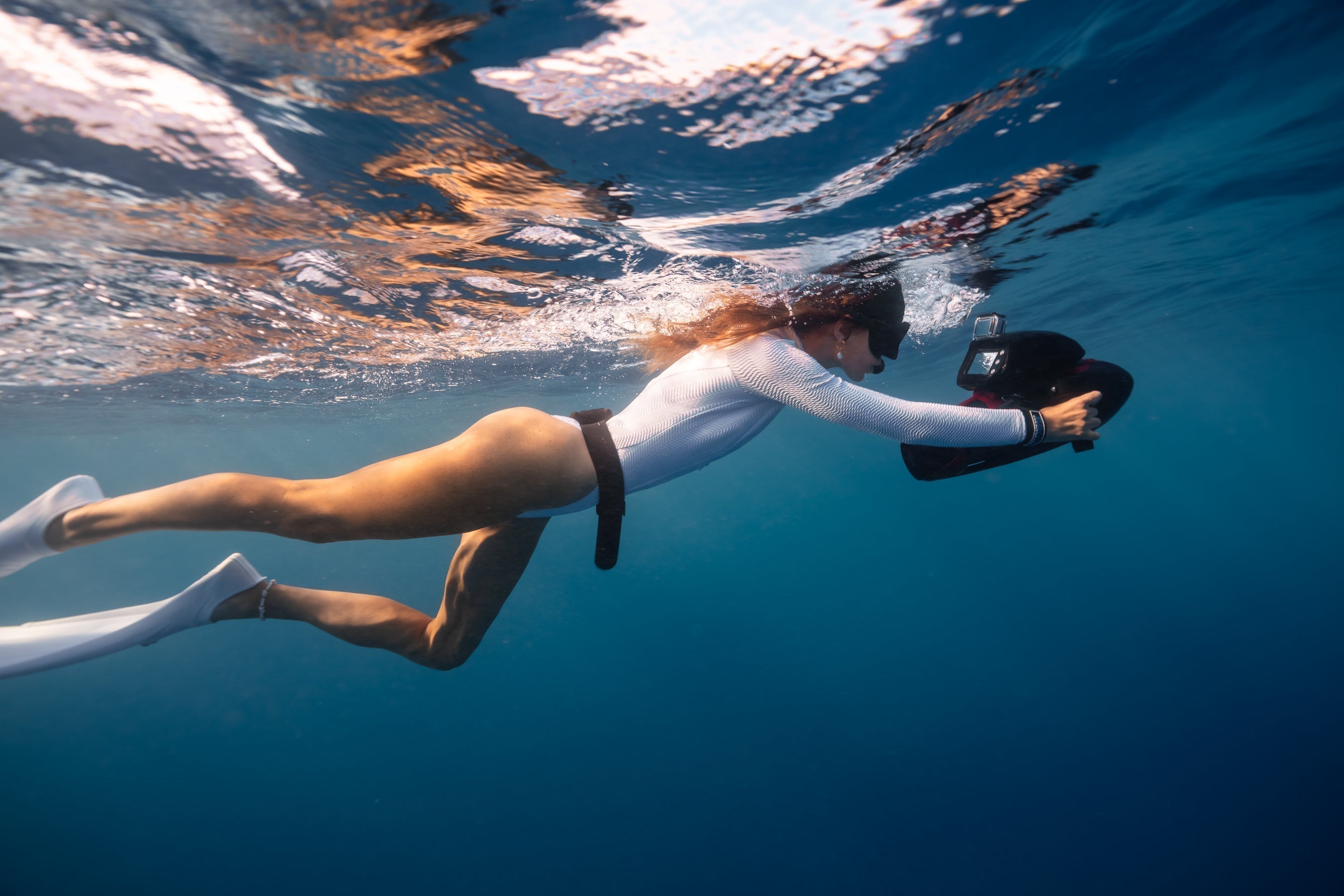
This category targets vacationers, families, and casual swimmers. These units are specifically designed to be lightweight and easy to transport, prioritizing surface fun over deep-water performance.
1. Airline Compatibility and Portability
The defining advantage of this category is travel convenience. Most units weigh under 4kg, allowing you to carry them easily to the beach with one hand. More importantly, their batteries usually meet the International Air Transport Association (IATA) regulations, which limit carry-on lithium-ion batteries to 160 Watt-hours(Wh). This specification is critical: it means you can legally fly with these scooters to your holiday destination, whereas larger professional units are often banned from commercial aircraft.
2. Handling and Positive Buoyancy
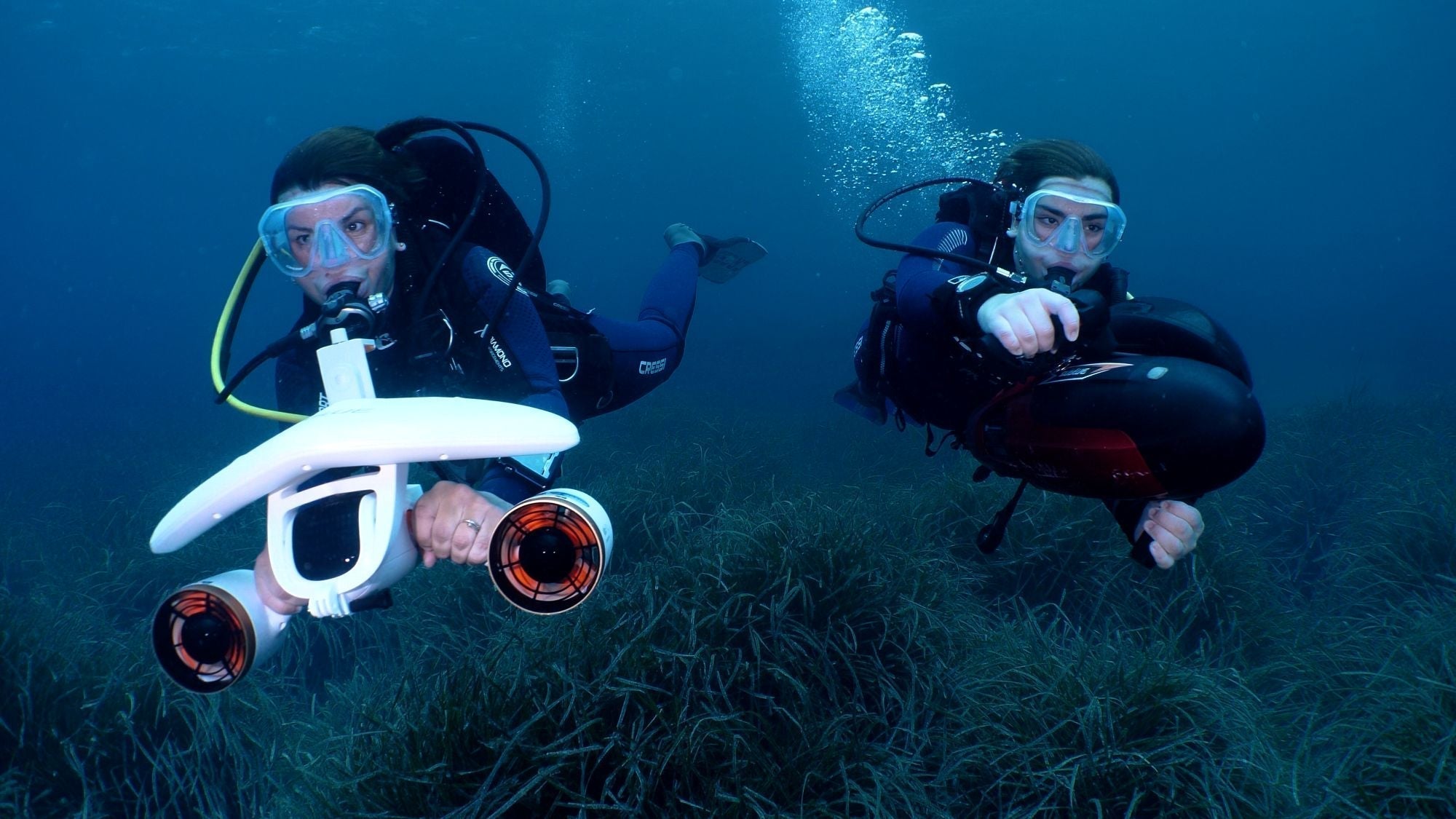
In terms of operation, these scooters typically use a dual-thruster design that requires two hands to hold. This setup offers high stability and is very intuitive for beginners. Functionally, they almost always feature positive buoyancy, meaning the device floats if you let go. This is a vital safety feature for snorkelers to prevent losing the device, but it makes the unit unsuitable for scuba diving, as it will constantly pull the diver toward the surface.
3. Intended Environment
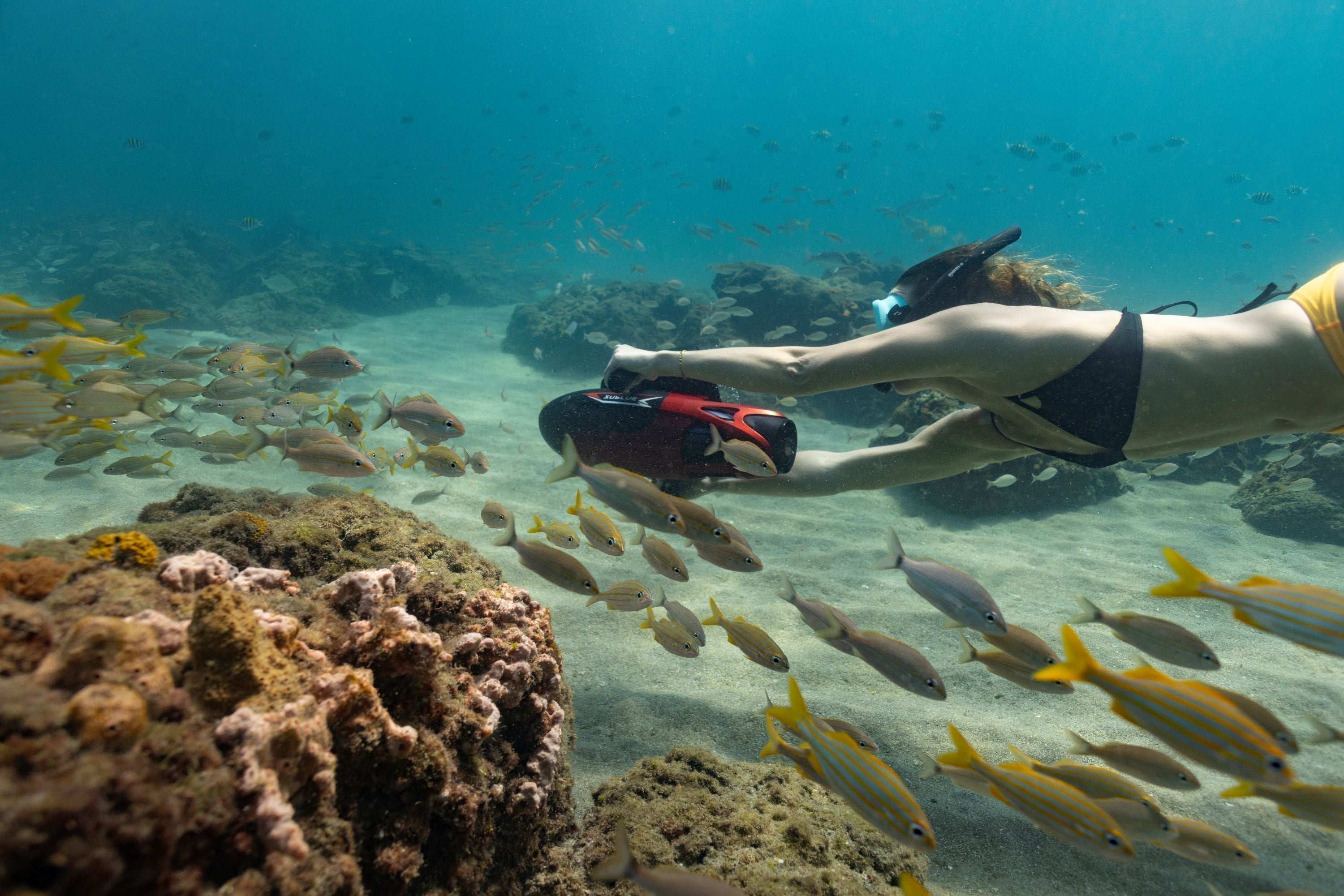
Due to the positive buoyancy and shorter battery life (typically 30–45 minutes), these devices are best restricted to the surface or shallow water. They are excellent for snorkeling over reefs or playing in swimming pools. They lack the power and neutral buoyancy required for serious scuba diving or fighting strong ocean currents.

Sport Scuba Scooters: For Recreational Diving
Once you leave the surface to explore a reef or a wreck, the requirements for your equipment change drastically. Sport Scuba Scooters bridge the gap between beach toys and technical gear, offering the necessary power and reliability for certified divers (Open Water to Advanced) to extend their range underwater.
1. Depth Rating and Power
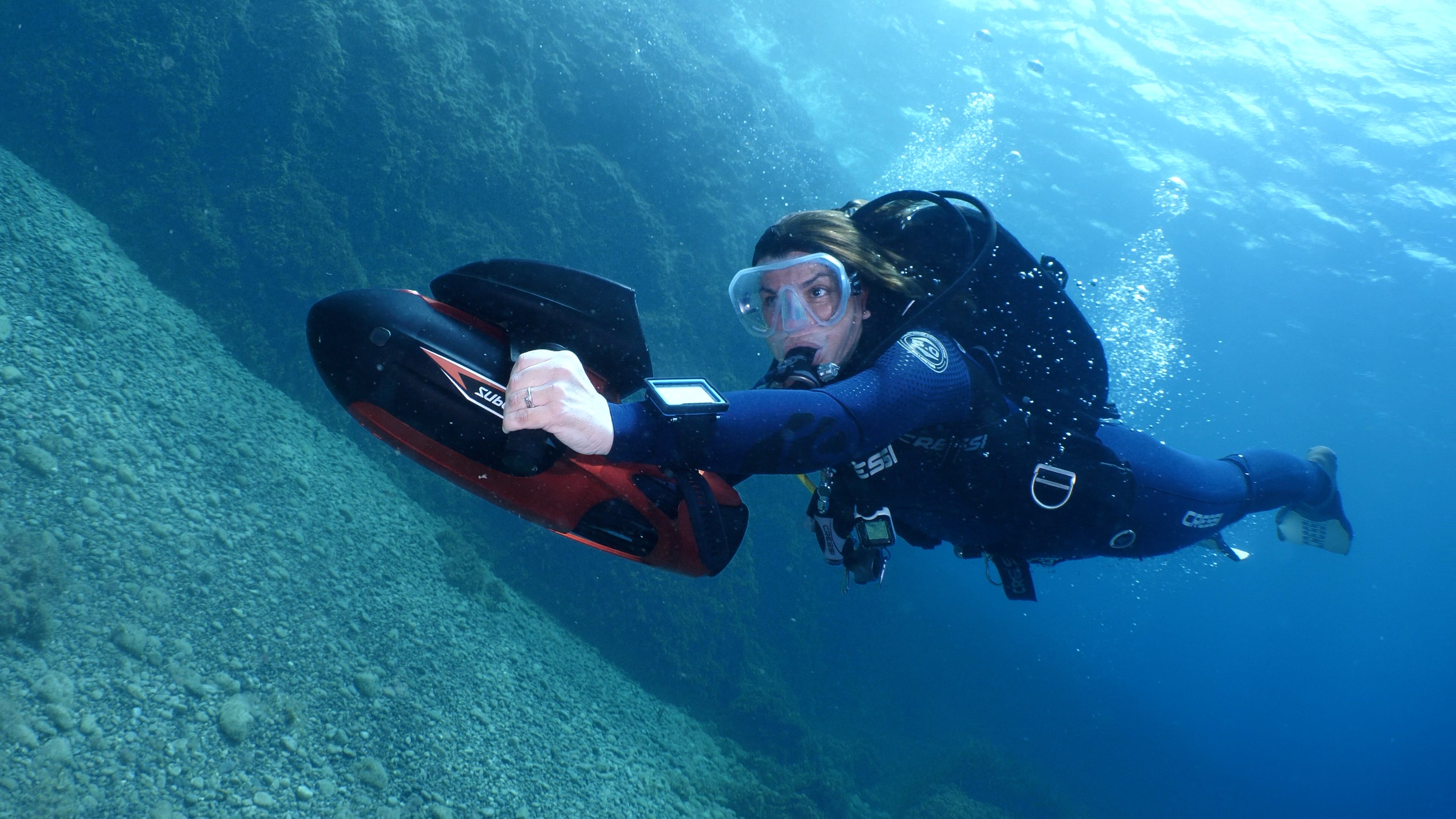
Performance requirements escalate rapidly as you descend. Unlike surface units, manufacturers engineer these scooters to withstand significant pressure, typically rating them to 40 meters (130 feet). This limit intentionally matches the maximum depth for recreational scuba diving. Furthermore, the motor output is substantially higher. For example, high-performance models like the Sublue Vapor deliver massive thrust (up to 46lbf) and speeds exceeding 6 mph. This raw power is not just for thrill-seeking; it provides the essential torque needed to drag a fully geared diver against mild-to-moderate ocean currents.
2. Design and Neutral Buoyancy
The physical form of the device shifts in this category. To reduce drag, most models adopt a streamlined, fluid-dynamic shape rather than the wide layout of travel scooters. More importantly, they usually feature neutral buoyancy. When you release the scooter at depth, it stays suspended in the water column. This characteristic is non-negotiable for scuba divers, as it ensures the device does not disrupt buoyancy control during sensitive maneuvers or safety stops.
3. Runtime and Data Monitoring
These units are designed to outlast a standard scuba cylinder. You can generally expect 45 to 75 minutes of run time, allowing for a complete dive without power anxiety. Advanced units go a step further by integrating intelligent OLED displays. These screens allow divers to monitor crucial metrics—such as battery life, speed gear, and remaining runtime—directly in their line of sight. However, this endurance comes with a trade-off: the batteries are larger and often exceed airline limits, making these scooters better suited for local diving or road trips rather than air travel.

Technical / Tow-Behind DPVs: For Deep Exploration
For those pushing the limits of exploration—penetrating deep caves, entering deep wrecks, or conducting technical decompression dives—recreational gear is insufficient. This category consists of heavy-duty tools designed explicitly for survival and redundancy in extreme environments.
1. Tow-Behind Design and Operation
The most visible difference in this category is the driving method. Unlike handheld sport scooters, technical DPVs are designed to be towed. The diver clips the scooter to a D-ring on their crotch strap using a tow cord. This transfers the thrust directly to the diver's body (specifically the hips) rather than the arms. This "tow-behind" configuration allows for precise, single-handed steering and leaves the other hand completely free to manage gas valves, dive computers, or guidelines.
2. Extreme Depth and Durability
Technical environments are unforgiving. Consequently, these units are built from industrial-grade materials like aluminum or Delrin (a high-strength polymer) to withstand crushing pressure. Manufacturers routinely rate these machines for depths of 100 meters (330 feet) or more. They are engineered to take a physical beating in narrow cave passages without cracking, leaking, or suffering mechanical failure.
3. Long-Range Burn Time
In technical diving, running out of battery far from the exit can be a life-threatening emergency. Therefore, these machines prioritize massive battery capacity over portability. A standard technical DPV offers a burn time of 2 hours or more at cruising speed, with some expedition-grade models capable of running for 4 to 5 hours. This extended range allows divers to penetrate kilometers into a cave system and return safely with a sufficient power reserve.
Modular and Wearable Scooters: For Multiple Water Sports
This category breaks the traditional mold of a single, rigid device. Instead of a fixed unit, these systems consist of detachable motors and batteries that function like building blocks. They appeal primarily to gadget lovers and multi-sport enthusiasts who want a single piece of equipment that can adapt to different water activities.
1. Mounting Flexibility
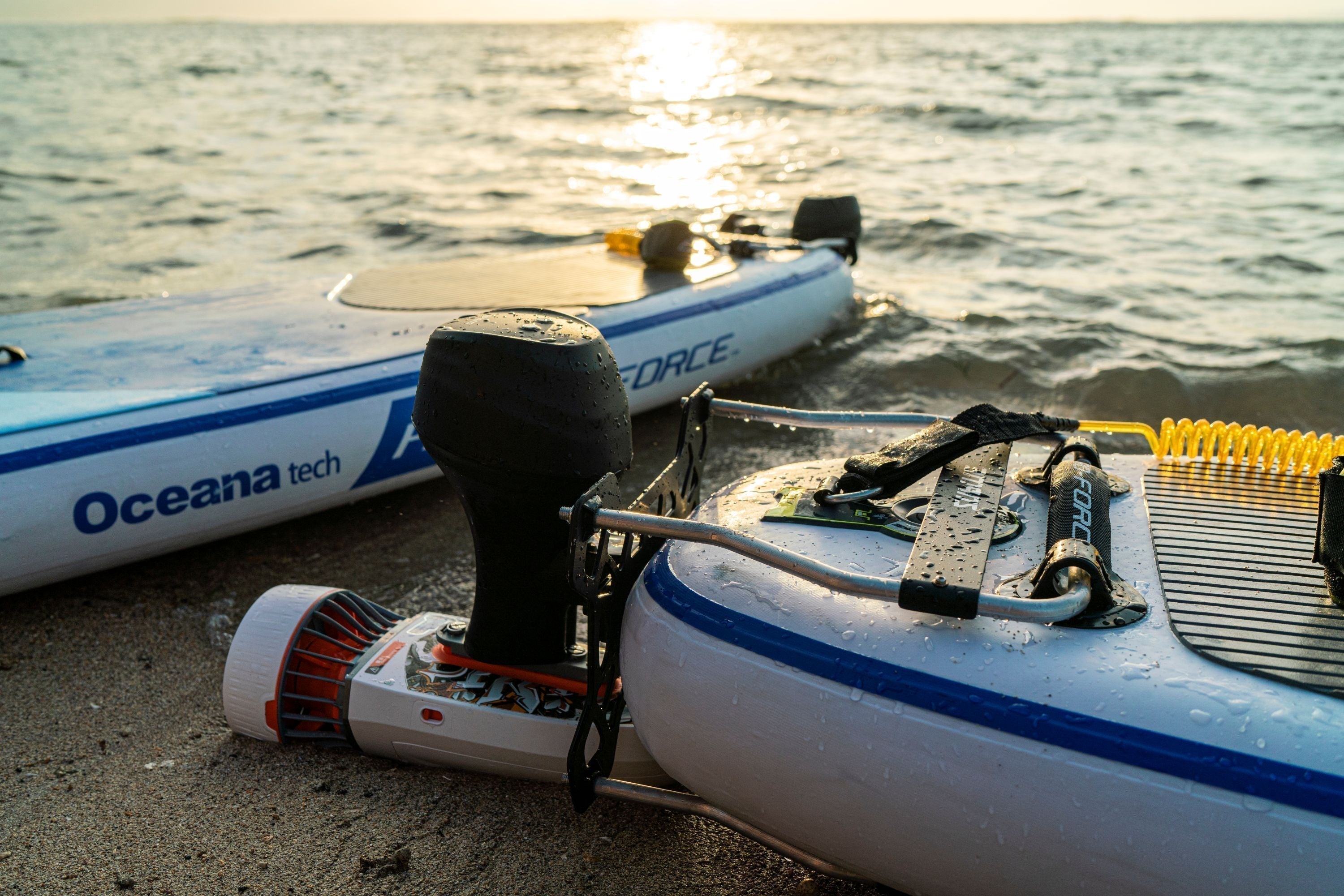
The defining feature of this category is adaptability. Unlike standard scooters that require handheld operation, modular units often support a wide range of attachments. Users can mount the propulsion unit onto a paddleboard (SUP) or kayak for motorized assistance, or attach it to a scuba tank to keep their hands completely free. Some systems even offer leg mounts, allowing divers to propel themselves using thrusters strapped to their thighs.
2. Customizable Power Configurations
Since these units are modular, users are not limited to a single motor. Many systems allow for the combination of multiple units to increase thrust. A prime example is the Sublue Tini. You can use a single unit for a casual pool swim, or mechanically link two Tini units together to double the power. This "stackable" design allows the device to scale with your needs, offering a flexible solution that changes based on the activity.
3. Performance Limits
While these devices excel in versatility, they often compromise on pure hydrodynamic efficiency. Because the shape must accommodate various mounts and connections, they lack the streamlined, bullet-like profile of a dedicated sport scooter. They are "Jack of all trades" devices—ideal for users who split their time between the pool, the beach, and the boat, but generally less efficient than specialized models like the Vapor or Navbow for long-distance reef cruising.

Which Type of Underwater Scooter Should You Buy?
To make your decision easier, use this logical filter. These four factors will quickly identify the right model for your specific needs.
1. Activity Level
Your primary use case is the most rigid filter. For snorkeling, swimming, or playing in the pool, a recreational scooter is sufficient. However, if you are a certified diver going below 10 meters (33 feet), do not choose a recreational model. You need the neutral buoyancy, higher power, and pressure rating of a Sport Scuba Scooter to handle the depth and currents effectively.
2. Travel Requirements
If you plan to fly with your gear, the battery is your main limitation. The IATA restricts carry-on lithium batteries to 160Wh.
- For Flyers: You must choose a model labeled "airline compliant" to avoid confiscation at the airport.
- For Locals: If you drive to your dive sites, you can ignore this limit and choose larger units with higher battery capacity.
3. Buoyancy Control
This feature changes how you interact with the device in the water.
- Positive Buoyancy: The device floats when released. This is a safety essential for snorkelers and families to prevent losing the unit.
- Neutral Buoyancy: The device hovers in place. This is critical for scuba divers who need to stop at specific depths without the scooter pulling them up or sinking down.
4. Budget Range
Be realistic about the relationship between price and performance.
- Entry-Level ($400 – $800): Best for casual beach and pool use.
- Sport ($1,000 – $3,000): The standard for scuba divers. This price point delivers reliable waterproofing, good speed, and data screens (seen on models like the Sublue Vapor).
-
Technical ($5,000+): Necessary only for extreme cave or deep wreck exploration.
To understand exactly what you get for your money at each tier, read our detailed analysis of underwater scooter prices.
Start Flying Underwater!
The perfect underwater scooter depends entirely on your environment. A heavy technical unit is a burden in a swimming pool, just as a small recreational device is useless on a deep wreck. Whether you plan to race in shallow water or cruise along a coral reef, there is a model built for that purpose. Visit the Sublue store to compare specifications and identify the best wingman for your next dive.
FAQs about Underwater Scooter Types
Q1: Can I use a travel underwater scooter for scuba diving?
Technically yes, but it is difficult and tiring. Travel scooters usually have positive buoyancy, meaning they constantly pull you toward the surface. You will have to fight against this upward pull to maintain your depth, which ruins your trim and wastes energy. Additionally, their batteries often run out before a standard 45-minute dive ends. For a comfortable dive, use a neutral buoyancy scooter designed specifically for scuba.
Q2: Are underwater scooters safe for children?
Yes, recreational models are generally safe for children who are already strong swimmers. Look for a device with positive buoyancy so it floats if they let go, and ensure the propellers have protective grilles to keep fingers safe. However, always supervise children closely. The motor allows them to travel much faster and further than usual, so they can easily stray too far from the shore or the boat.
Q3: Can I bring spare batteries on an airplane?
Usually, yes. Most airlines allow you to bring up to two spare lithium-ion batteries in your carry-on luggage, provided each battery is rated under 160Wh. You generally cannot put loose lithium batteries in checked luggage due to fire safety rules. Since regulations can vary, always check your specific airline’s policy before you pack to avoid having your gear confiscated at security.





Share:
How Much Does a Sea Scooter Cost?
How to Make a Yacht Party Fun with Underwater Scooters?