

The fun of a sea scooter is getting to glide effortlessly past coral reefs, whether you're snorkeling or diving, without having to kick constantly. But when you look into buying one, you’ll find a massive price range, with models running from $250 all the way up to $20,000. So what's the difference? This guide will walk you through the evolution from a "pool toy" to an "expedition-grade tool," helping you figure out where to spend your money wisely.

Sea Scooter Price Tiers at a Glance
| Price Range | Category | Best For | Key Characteristic |
| $250 - $500 | Entry-Level Recreational | Casual Snorkeling, Pool Use | "Pool Toy" - Low power, very portable. |
| $500 - $1,500 | High-End Recreational | Scuba & Serious Snorkeling | Good performance and depth for recreational diving. |
| $1,500 - $2,500 | Budget Technical & DIY | Tech Diving & DIY Projects | Tech-level power, but high flood risk (internal charge). |
| $2,500 - $4,500 | Prosumer / "Dead Zone" | Serious Technical Diving | High-performance, but reliability varies greatly by design. |
| $5,000 - $20,000+ | Professional & Technical | Expedition & Cave Diving | Absolute, "life-support" reliability (e.g., external charging). |
Entry-Level: Recreational & Snorkeling Models (Approx. $250 - $500)
This is the price range most people see first and the easiest entry-level product to find.
Who Are They For?
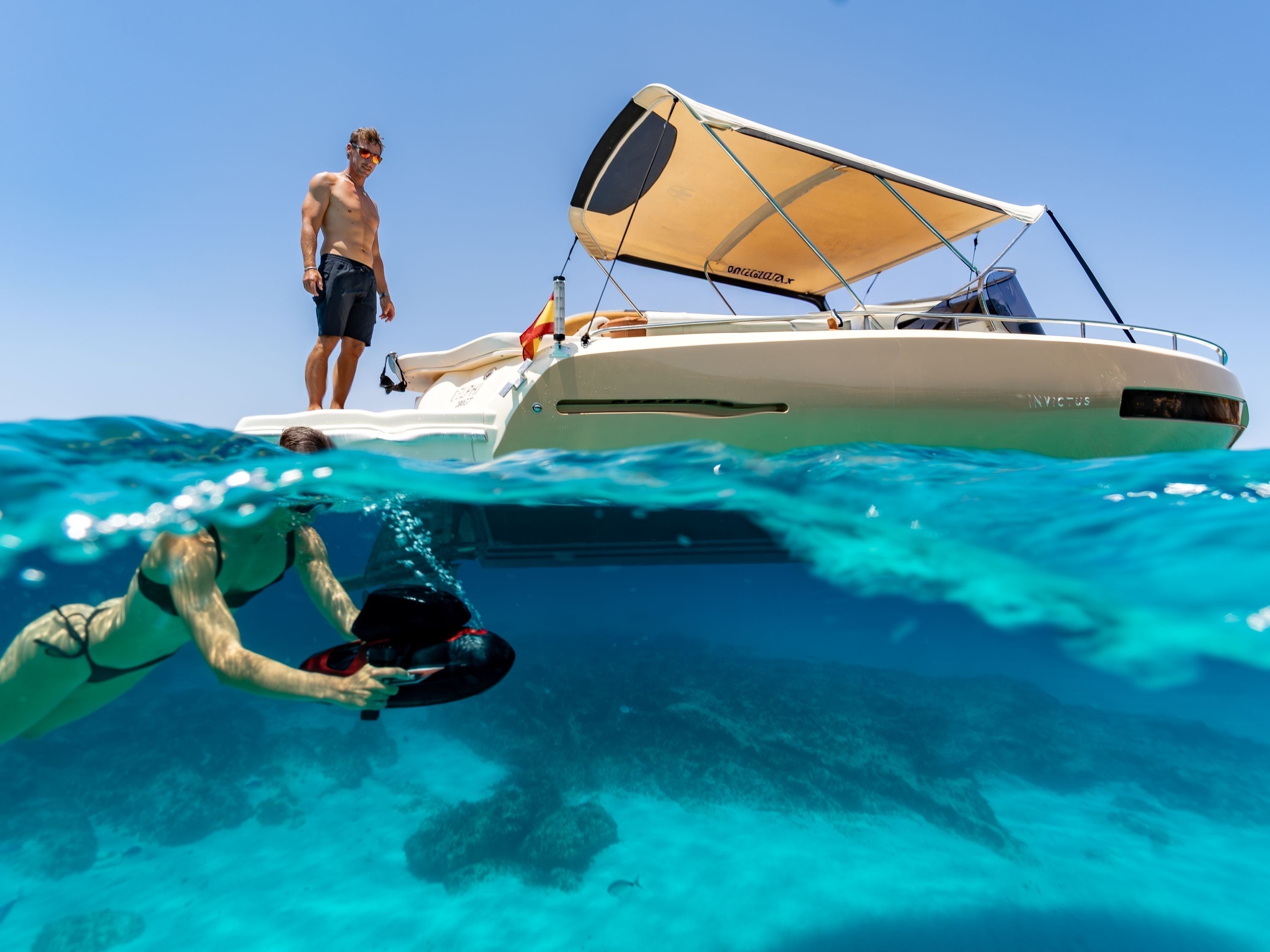
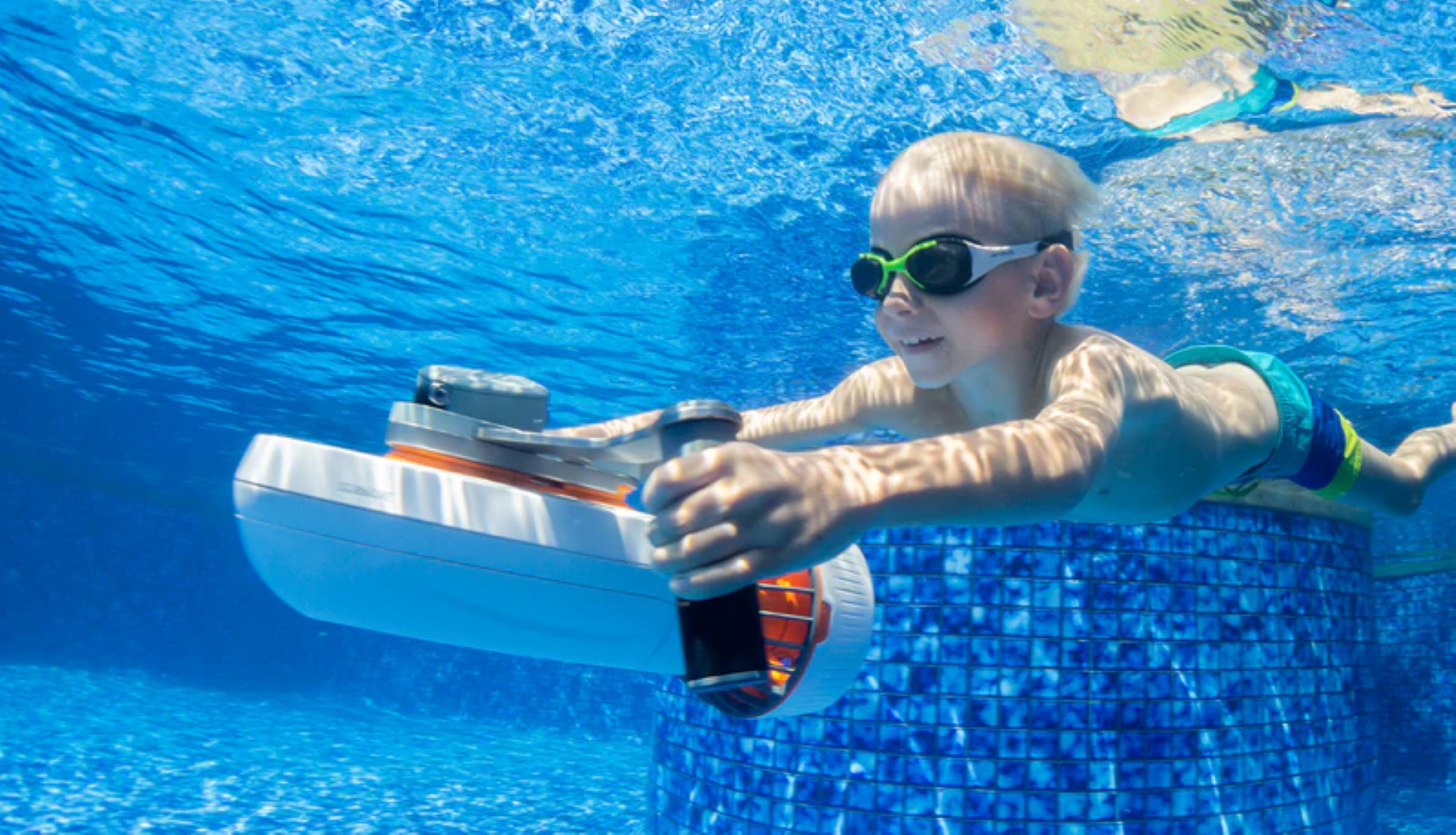
The target user for a sea scooter in this price range is very clear: children, families, and casual snorkelers who just want to play near the surface.
The best environments for them are swimming pools or very calm, shallow water with no waves or currents.
Why Do Pro Divers Call Them "Pool Toys"?
In discussions among professional or technical divers, devices in this price range are almost always called "pool toys." This isn't a joke; it's a serious classification based on safety and performance. Here's why:
- Weak Thrust: Their thrust is very weak. The moment you encounter even a slight current or try to use them in colder water (which is denser), you'll find they can't effectively push you.
- Poor Towing Capability: These devices are not designed to pull an adult in full scuba gear (like with an air tank on their back). They simply cannot handle that amount of drag.
- Low Reliability: Their seals and manufacturing standards are not built to handle deep-water pressure and are not suitable for use in any high-risk situation.
The Main Advantage: Portability
A major selling point for these products is portability. Many models are designed to be compact and light.
For example, models at the top of this category, like the original Sublue Mix, became popular precisely for this reason. They are engineered to be small enough to be taken on a plane as a carry-on (though you must always check with your airline about their lithium battery rules first).
This makes them fantastic for a snorkeling vacation. However, it's important to remember this convenience doesn't change their classification. They are high-end recreational tools, not technical diving machines, and should not be used for any dive that involves high risk.

High-End Recreational: For Scuba & Serious Snorkeling ($500 - $1,500)
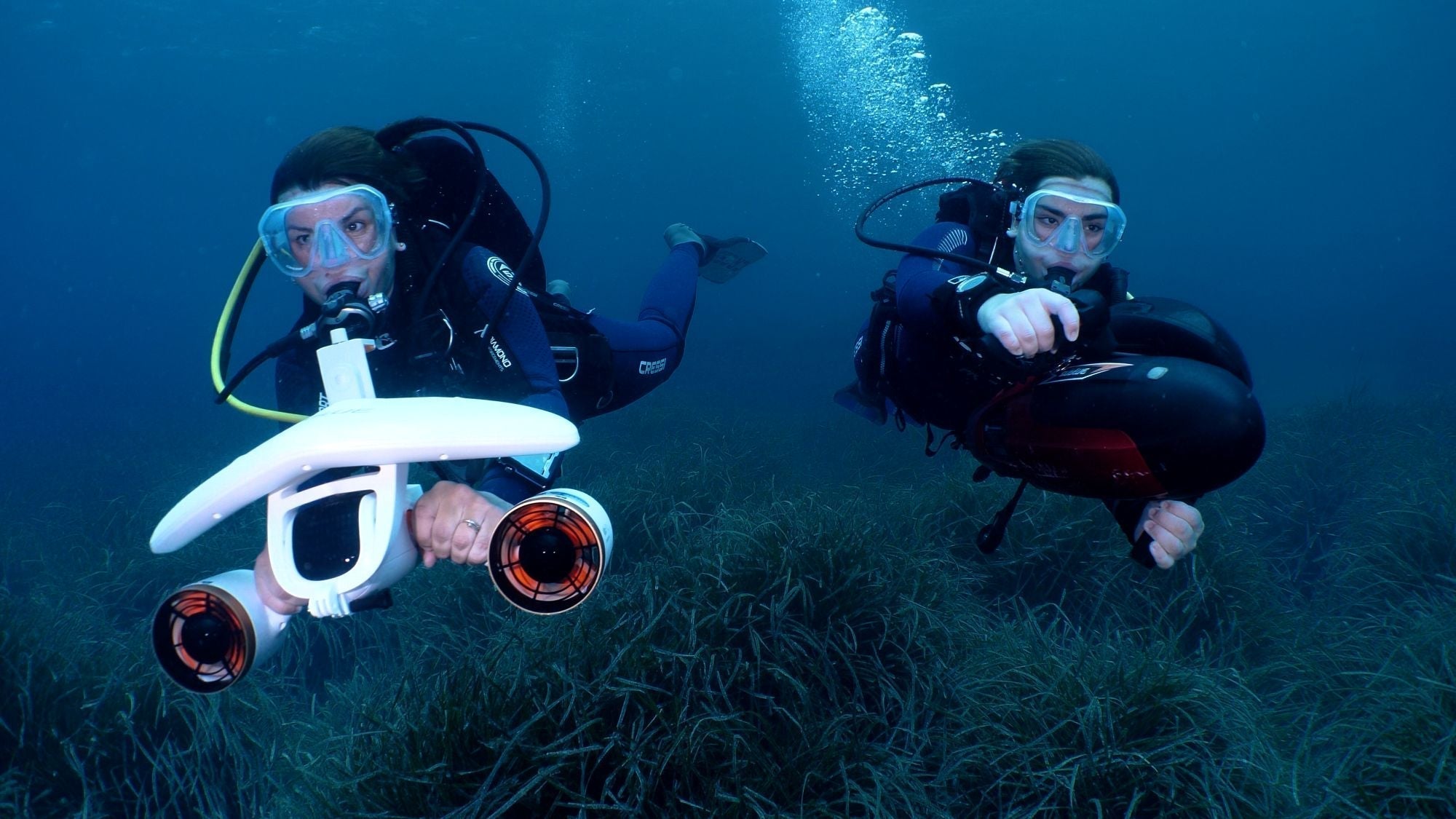
If you are a recreational scuba diver or a serious snorkeler, this is likely the category for you. This price range represents the move from a "pool toy" to a genuine piece of diving equipment.
Who Are They For?
These models are aimed at serious snorkelers who want to cover more ground and recreational scuba divers.
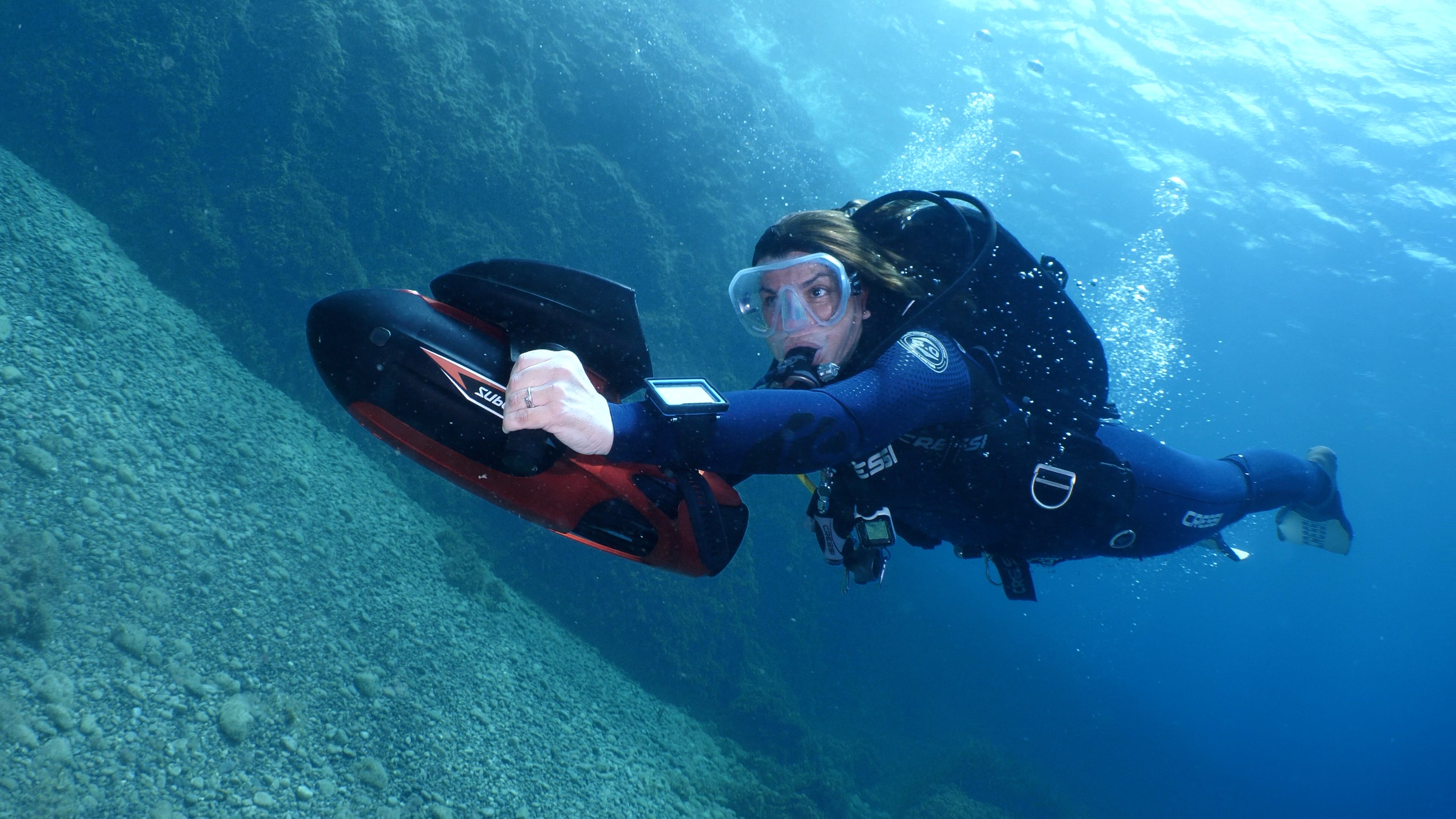
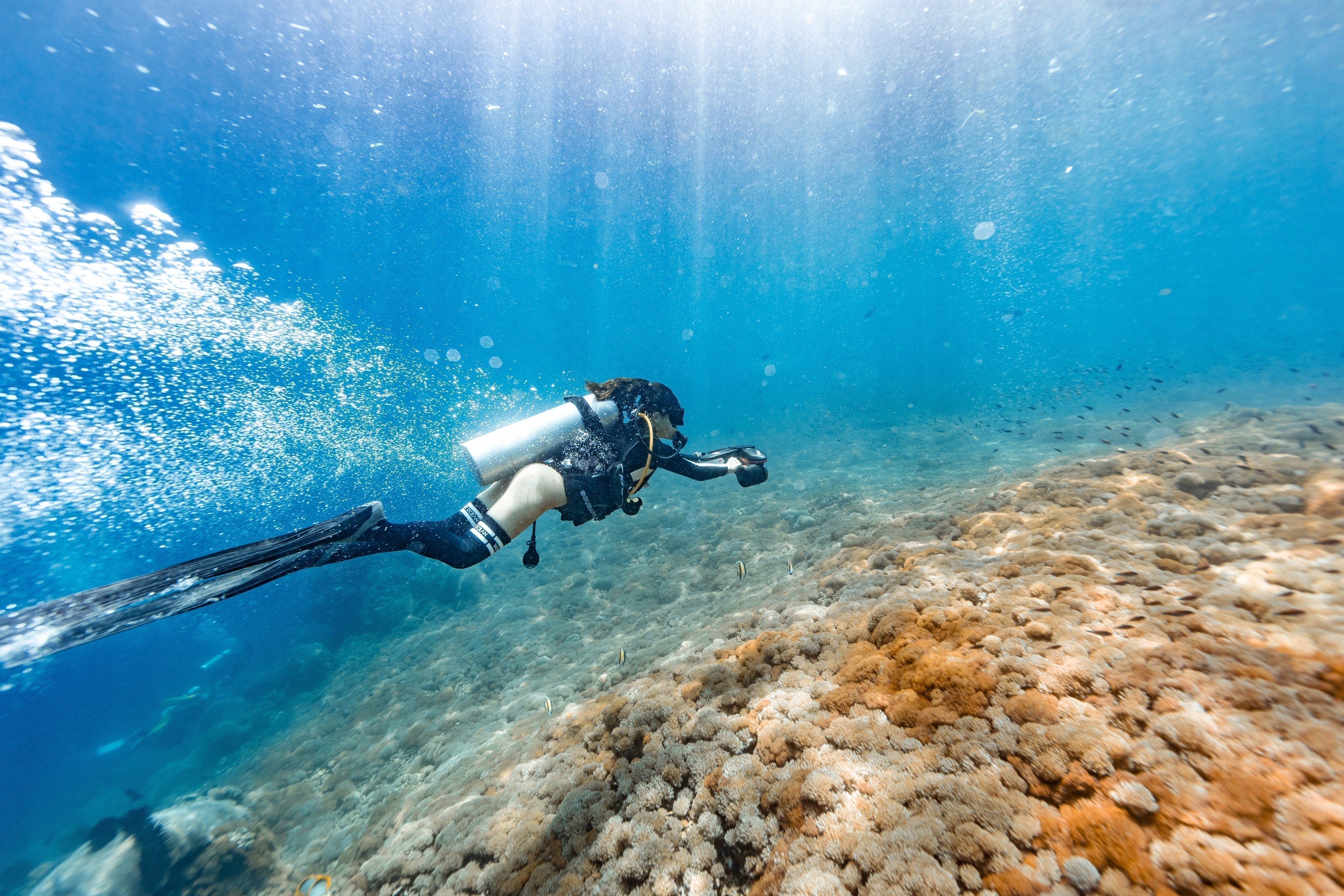
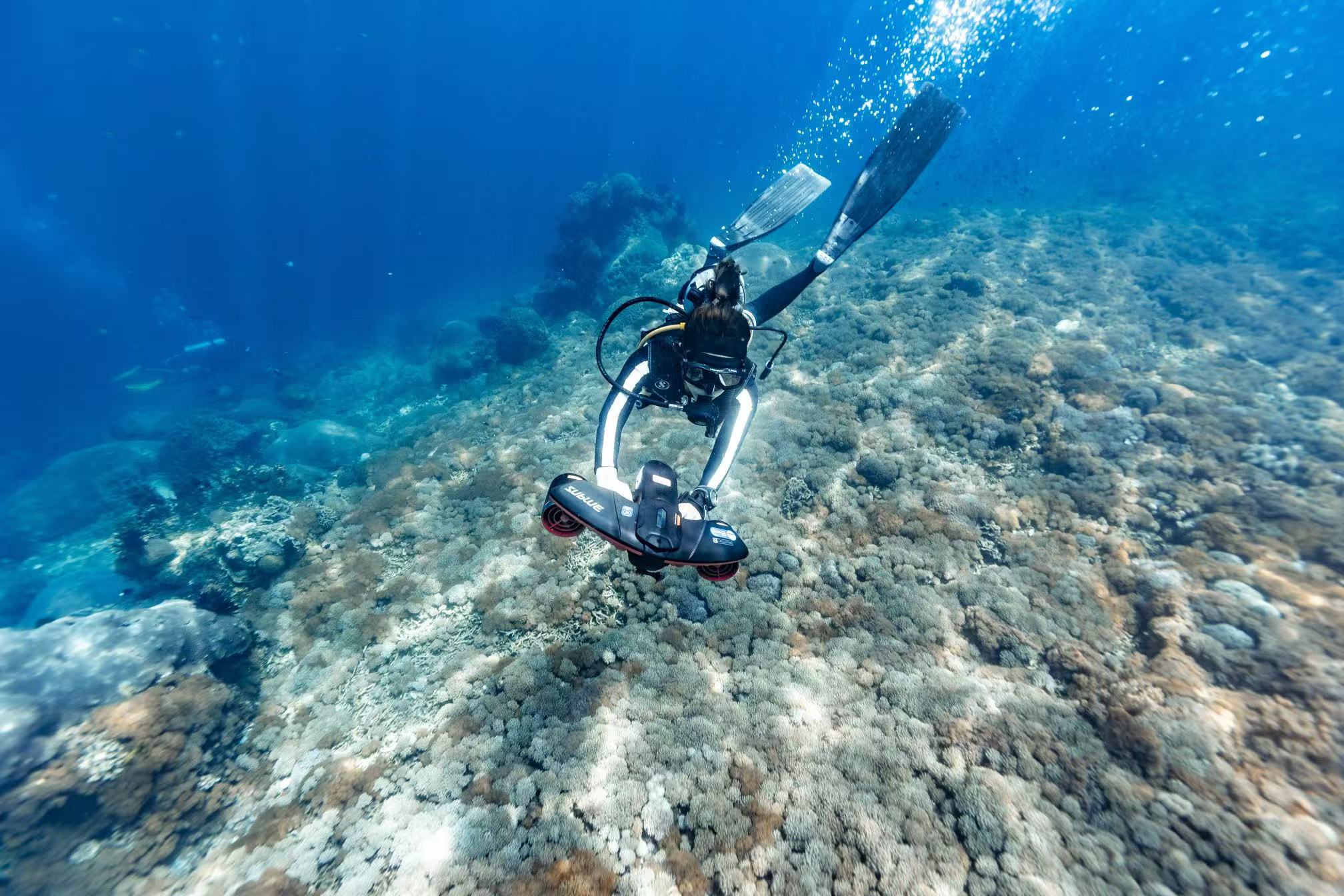
For a typical scuba diver—someone exploring a reef within standard depth limits (e.g., 30-40m) and in good conditions—this tier is often the sweet spot. It allows you to move faster, cover more area, and reduce your air consumption by not having to kick as much.
Key Upgrades: Better Speed, Runtime, and Depth
The extra money buys you significant, measurable improvements.
- Faster Speeds & Longer Runtime: This is the biggest difference. You get motors that can actually pull you at a decent pace and batteries that last. For example, a unit like the Sublue Navbow fits in this category, offering three distinct speeds that top out at 2 m/s (4.47 mph) and a battery that can last up to 45-60 minutes depending on use.
- Real Depth Ratings: Unlike the shallow-water toys, these scooters are rated for actual diving. A depth rating of 40 meters (131 feet) is common, which matches the standard limit for recreational scuba diving.
The Limit: Not Built for Technical Diving
A scooter in this price range is an excellent choice for the vast majority of recreational divers. It's perfect for making reef diving less work and more fun.
However, it's crucial to understand their limits. These models are not built for the extreme demands of technical diving. They do not have the failure-proof reliability, the hours-long runtimes, or the heavy-duty (often metal) construction required for cave diving or deep decompression stops. In those situations, a scooter failing is a critical emergency, not just an inconvenience.

Budget Technical & DIY: For Tech Diving & DIY Projects ($1,500 - $2,500)
This price range is the critical "bridge" from the recreational world to the technical one. It fills the $1,500-and-under gap and represents the first step up from a "high-end toy" to a "low-end tool."
Who Are They For?
This is for the tech diver on a strict budget. They need a machine that can pull their full technical gear (like twinsets or a rebreather) but can't or won't spend $5,000+ on a top-tier brand.
Crucially, this user must be willing to do their own maintenance. They have to be comfortable troubleshooting problems and accepting a much higher risk of equipment failure.
This price niche is defined by a specific product philosophy. You are not buying a polished, finished product; you are buying a "project kit."
The Advantages
- You get tech-level thrust at the lowest possible price. These units are genuinely powerful enough to tow a fully geared technical diver.
- They run on standard, non-proprietary batteries. Instead of expensive, custom battery packs, these scooters are designed to use common power tool batteries that are cheap and easy to find.
The Disadvantages
- You must accept an extremely high flood risk. The design forces you to open the main body seal every time you change or charge the batteries. A single grain of sand, a misplaced hair, or a bad O-ring can cause a catastrophic flood.
- They suffer from poor reliability. These units are known for quality control issues and are not considered dependable "out of the box."
- Support is often difficult to access. In diving communities, poor customer service and a lack of factory support are frequent and well-documented complaints.
You are trading reliability for price. You are accepting a high risk of flooding and maintenance headaches in exchange for tech-level performance at a rock-bottom cost. This is the perfect scooter for a hobbyist who likes to tinker. It is the wrong scooter for anyone who just wants a tool that works, every time.
Prosumer & The "Dead Zone": For Serious Technical Diving ($2,500 - $4,500)
This price range is the most complex and is often called the "Dead Zone." This is because you are spending serious money, but you may not get the serious reliability you'd expect for the price.
Who Are They For?
This category is for the serious technical diver who wants a reliable, out-of-the-box tool. They are willing to pay more to avoid the risks and maintenance of the "DIY kits" in the previous tier.
Why Is It Called a "Dead Zone"?
This is where you risk paying a lot of money for little real-world improvement. The frustration comes from spending, for example, $4,000 only to find your scooter still has critical flaws from cheaper models—like needing to open the main seal to charge. You've paid a premium price but haven't bought premium reliability.
The Two Choices in This Range
You generally face two different product philosophies in this range:
1. The "Expensive Compromise"
These products may be faster or have longer battery life, but they don't solve the number one problem: the flood risk. They still often require you to open the main body seal for charging, meaning you've spent more money without fixing the biggest flaw.
2. The "High-Performance Product"
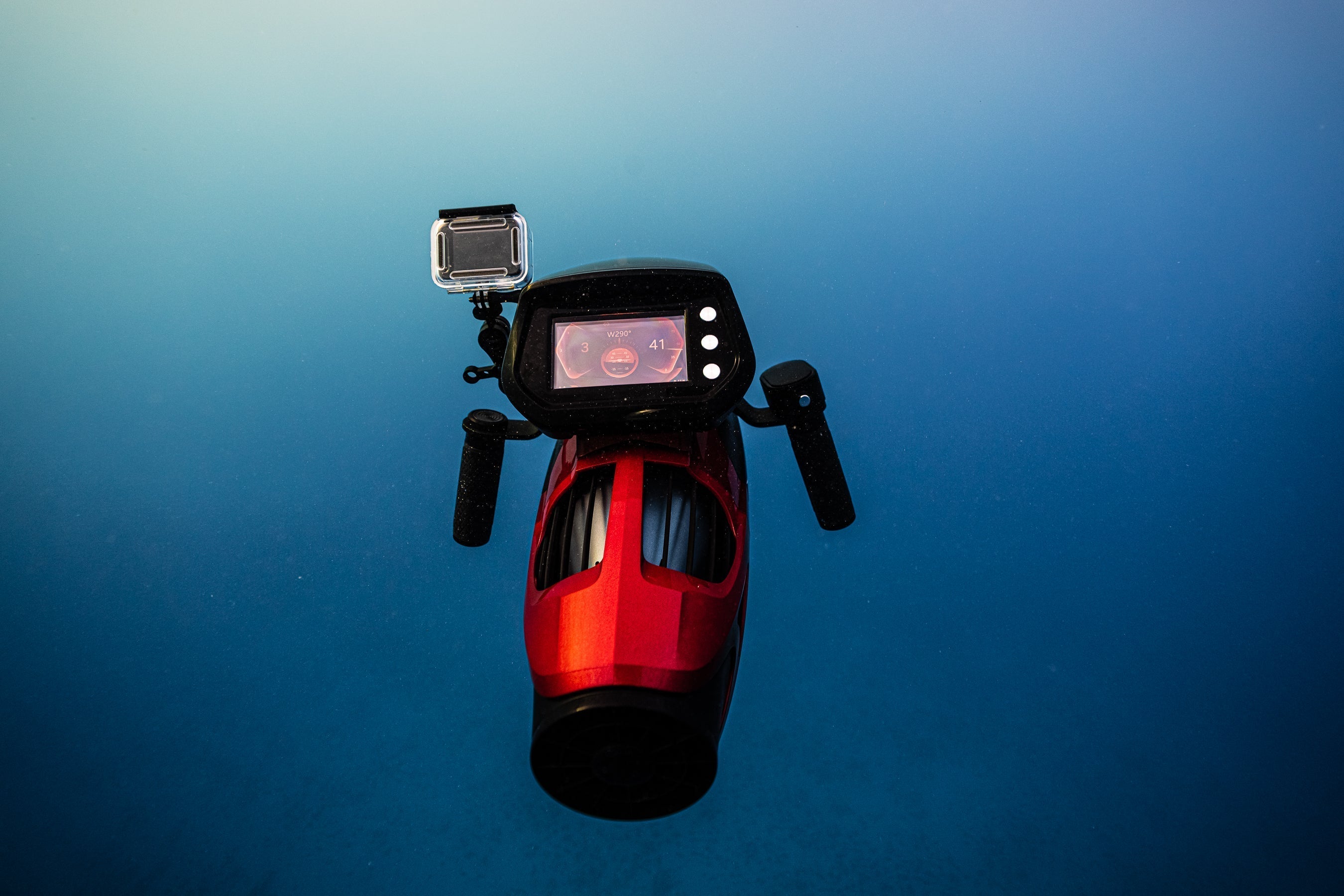
These products are designed as tools, not compromises. They offer powerful thrust, high speeds, and modern features like an LCD screen. Most importantly, they solve the flood risk by using swappable batteries, so you never have to open the main body seal.
The goal in this price range is to find the exception: the product that delivers professional-grade power and professional-grade design (like swappable batteries) without the $5,000+ price tag.

Professional & Technical: For Expedition & Cave Diving ($5,000 - $20,000+)
This is the top of the market. In this tier, price is secondary to one single factor: absolute reliability.
Who Are They For?
This category is for serious technical divers, cave divers, and expedition divers. For these users, a DPV is not a toy or a convenience; it is a piece of life-support equipment. If a scooter fails 1,000 feet inside a deep cave, it is a life-threatening emergency.
What You Are Paying For: Extreme Reliability
You are no longer paying for just speed. You are paying for failure-proof engineering, robust materials (like aluminum bodies), and designs that are proven to prevent floods. This market is generally split into two tiers.
Modern Technical Models (Approx. $5,000 - $7,000)
This is the standard entry-point for a truly professional DPV. Their single most important feature is external charging. You charge the scooter through a sealed port on the outside, so you never have to open the main body. This one feature eliminates the number one cause of flooding that plagues all cheaper models. You are paying for high-quality manufacturing, proven designs, and reliability.
Expedition-Grade Models (Approx. $7,000 - $20,000+)
This is the "best of the best" and is considered overkill for almost all recreational diving. These are the top-tier "workhorse" brands known for extreme durability, often with heavy-duty metal bodies. These scooters are so reliable that a used expedition model (which might cost around $6,000) is often considered a smarter purchase than a brand new "modern tech" model from the tier below.
Assess Your Needs First!
The price of a sea scooter is not just about speed; it's about reliability. The $250 model is a toy, while the $5,000 model is a life-support tool. Before you buy, be honest about your use case. Are you snorkeling in a calm bay, or exploring a deep cave where failure is not an option? Understanding this distinction is the key to spending your money wisely, whether that's $500 or $5,000.



Share:
"Cockpit View": The Secret Behind Sublue Vapor's LCD Screen
Underwater Scooter Types: Which One is Right for You?