


The Silence Only the Ocean Can Offer
There is a kind of silence that exists only by the sea. It is not the silence of emptiness, but a living silence — waves moving, wind breathing, water constantly shifting.
For many people, a solo beach trip feels unfamiliar at first. It raises questions: Will I feel lonely? Will it feel strange to be alone?
But those who experience it often discover something unexpected: A solo beach trip is not about escaping life. It is about returning to yourself.

Why the Ocean Heals the Mind
The concept of ocean therapy is supported by both science and human experience.
It refers to the calming psychological effect of being near water, where the brain enters a more relaxed and reflective state.
Studies in environmental psychology suggest that exposure to blue spaces can:
● Reduce stress and anxiety
● Lower heart rate
● Improve emotional clarity
● Enhance mental recovery
The ocean does not demand attention. It does not judge or respond. It simply exists — and in that presence, the mind begins to slow down.
The Meaning of Solo Travel Healing
A solo beach trip is a form of emotional reset.
Unlike city travel, where solitude can feel heavy, the ocean creates a natural emotional buffer.
When alone by the sea, you experience:
● Freedom of movement without compromise
● Heightened sensory awareness
● Emotional release without explanation
● A broader perspective on personal challenges
Many travelers describe moments of unexpected emotional release — not sadness, but clarity.

Exploring the Ocean Alone: A Safer, Easier Way
For many solo travelers, entering the water alone can feel uncertain.
Questions like:
“What if I get tired?”
“What if I drift too far?”
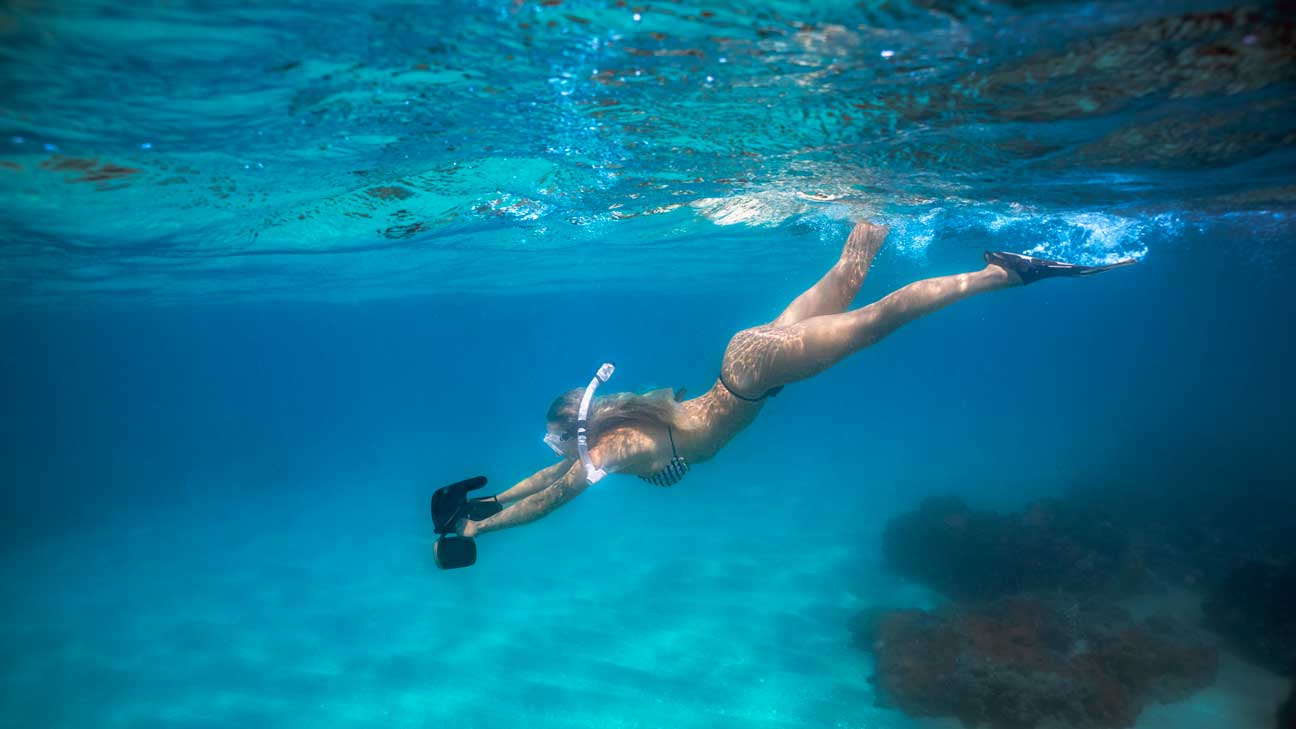
This is where modern water technology becomes meaningful. An underwater scooter for beginners provides propulsion, allowing you to move through water without physical exhaustion.
What is an Underwater Scooter?
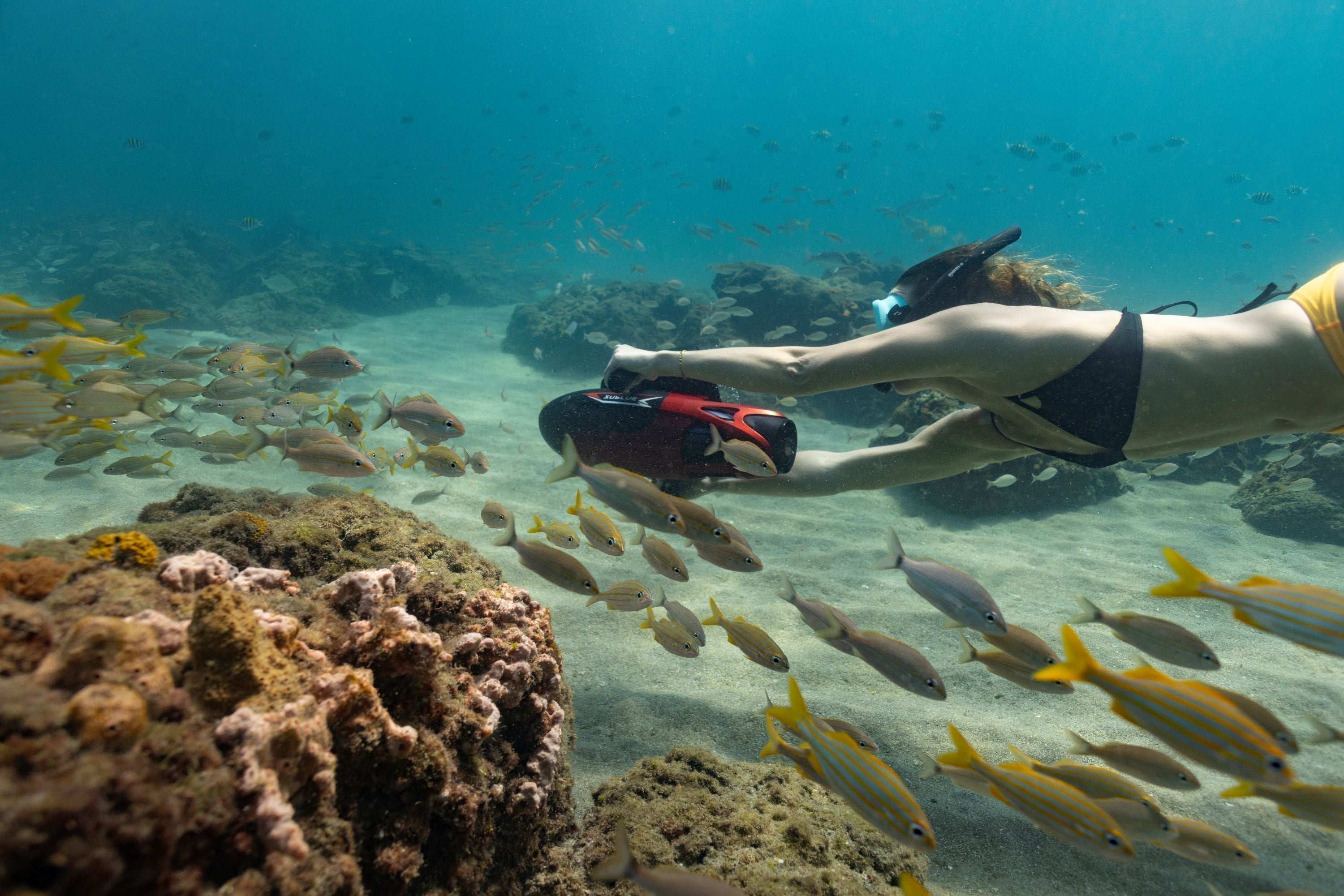
An underwater scooter is a compact electric propulsion device designed to help users move effortlessly through water and have fun underwater.
Unlike swimming, which relies entirely on physical strength and endurance, an underwater scooter provides controlled thrust that allows you to glide smoothly in any direction.
How it works
Most recreational underwater scooters operate using a sealed electric motor and propeller system.
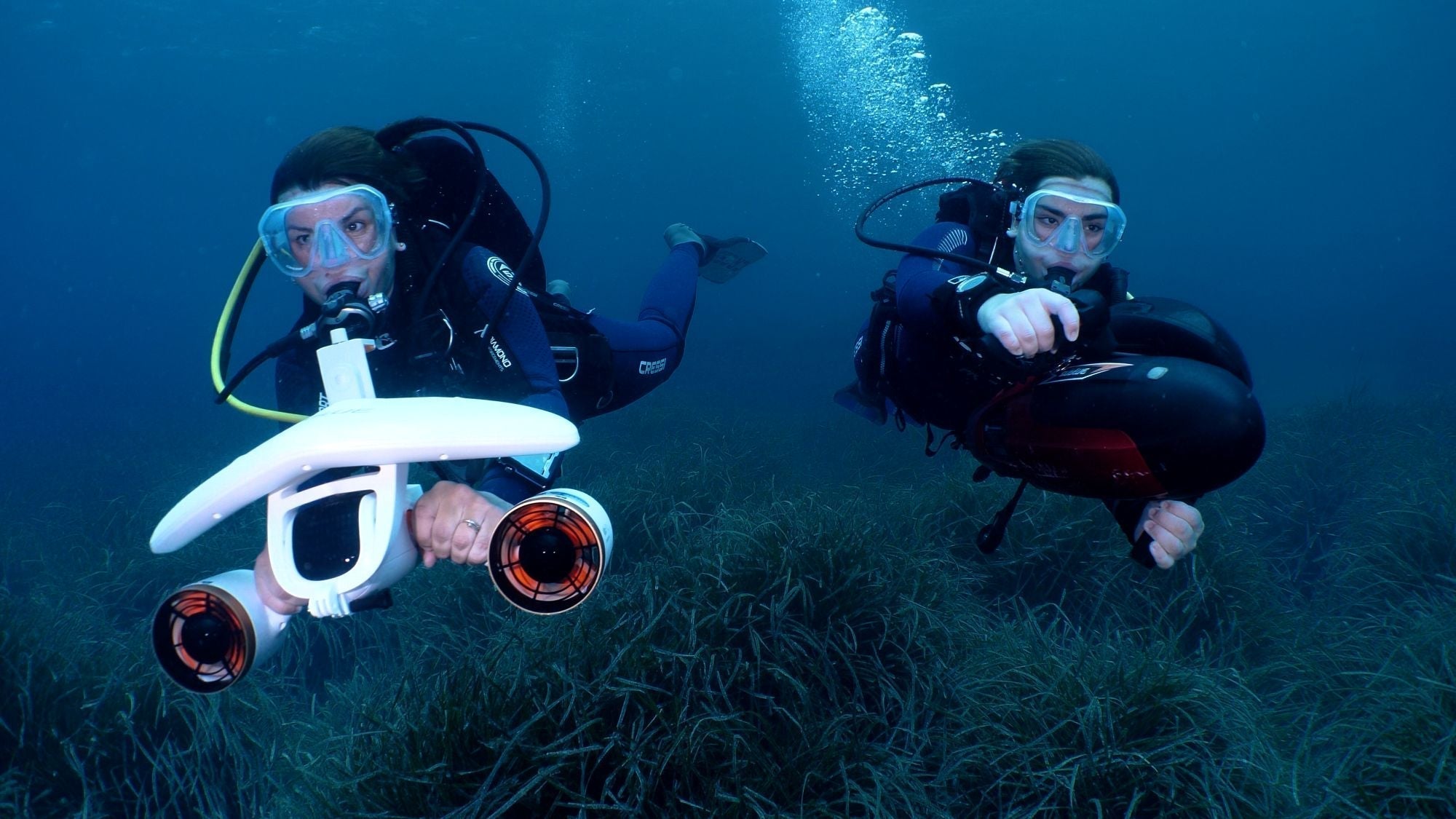
Users hold the device with both hands and activate it using a dual-trigger safety system. Once activated, the scooter generates forward propulsion, gently pulling the user through the water.
Key design principles include:
●Electric propulsion system (quiet, emission-free)
●Buoyancy control (most models float when released)
●Dual-hand safety triggers (prevents accidental activation)
●Speed modes (usually 1–3 levels for beginners and advanced users)
Because of this structure, underwater scooters are widely used in recreational snorkeling, casual diving, and solo ocean exploration.

Why underwater scooters matter for solo travelers
For solo beach trips, underwater scooters solve three core challenges:
1.Physical fatigue reduction
Traditional snorkeling requires continuous kicking, which can lead to exhaustion within 10–20 minutes. Underwater scooters significantly reduce this effort.
2.Exploration range expansion
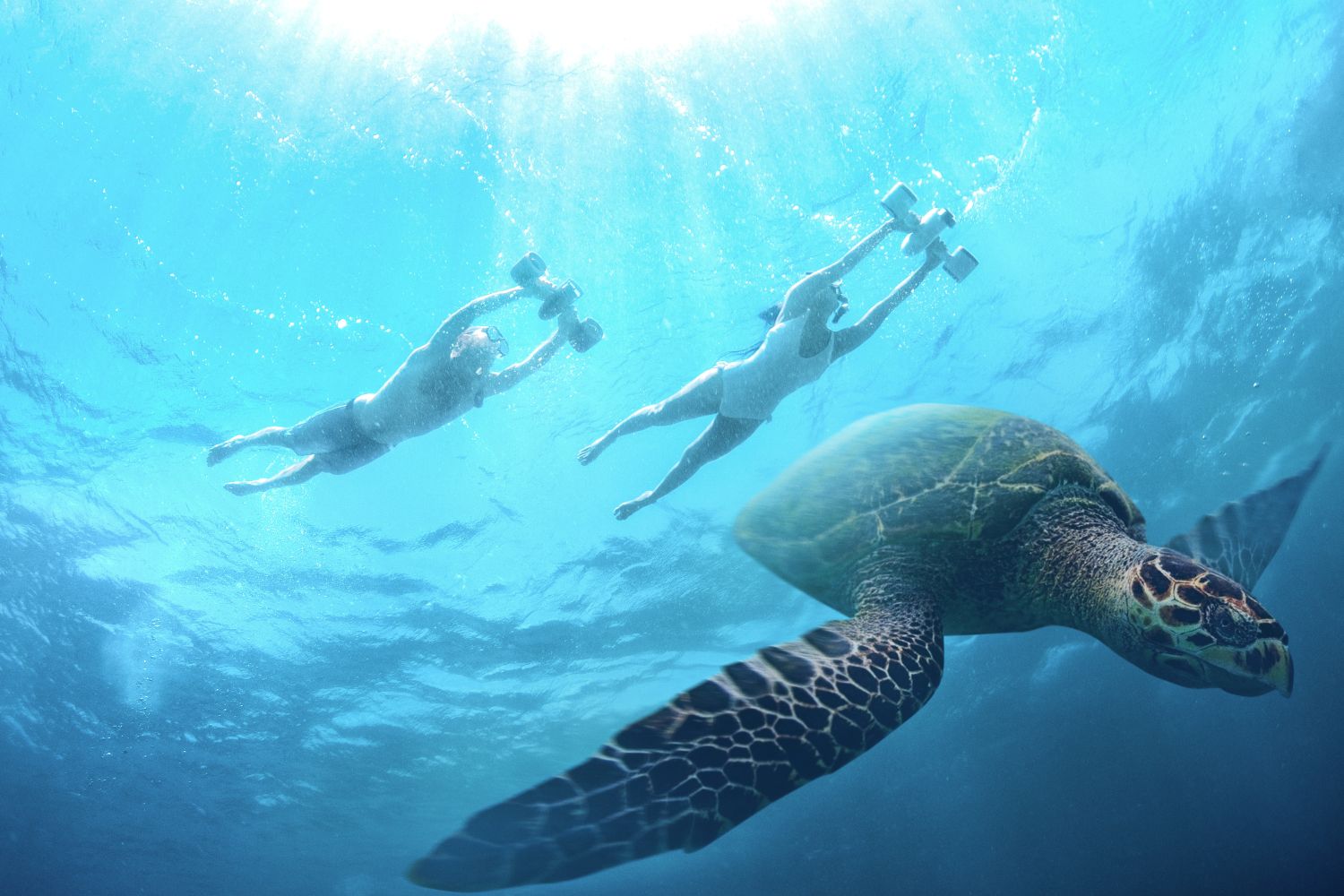
Users can cover 2–3 times more underwater distance compared to swimming alone, allowing deeper exploration of reefs, marine life zones, and coastal structures.
3. Psychological safety support
For many beginners or solo travelers, open water can feel unpredictable. Having propulsion support creates a stronger sense of control and reduces anxiety.
A new category of water experience
Unlike scuba diving or snorkeling, underwater scooters do not require technical certification or training.
This positions them in a growing category of:
“low-effort, high-freedom ocean exploration tools”
They are especially popular among:
● Beginner ocean explorers
● Solo travelers
● Wellness-focused travelers
● People recovering from stress or burnout

Sublue Lifestyle Integration
Modern underwater scooters are no longer just recreational devices — they are becoming part of a broader lifestyle shift toward slow exploration, mental wellness, and ocean connection.
Brands like Sublue are shaping this category by focusing not only on performance, but on how people feel in the water.
Instead of positioning underwater scooters as technical gear, Sublue’s approach reflects a different philosophy:
The ocean should be accessible, calm, and emotionally restorative — not physically demanding or intimidating.
1.Designed for simplicity, not complexity
Traditional water sports often require:
● Training
● Strength
● Technical knowledge
In contrast, modern underwater scooters are designed for immediate use.
For example, most users can start exploring within 1–2 minutes of first use, without prior experience.
This makes them especially aligned with solo travel healing experiences, where emotional ease is more important than performance.
2. Supporting mental wellness through movement
Solo beach travelers often seek more than sightseeing — they seek emotional regulation and mental clarity.
Underwater scooters support this by enabling:
● Slow, controlled underwater movement
● Reduced physical strain
● Longer immersion time in natural environments
This creates what many users describe as a “flow state in water” — a psychological condition where attention becomes fully absorbed in the present moment.
3. Quiet exploration that respects nature
Unlike motorized watercraft, underwater scooters operate quietly.
This is important for two reasons:
● It preserves the natural ocean soundscape
● It minimizes disruption to marine life
For eco-conscious travelers, this makes underwater scooters a more sustainable choice for casual exploration.
4. A companion for solo experiences, not a replacement for nature
Perhaps the most important distinction is philosophical:
Underwater scooters are not meant to dominate the ocean experience.
Instead, they function as:“support tools that help humans reconnect with nature more easily.”
This is why they are increasingly used in solo travel, wellness retreats, and mindful exploration trips.
You Are Not Alone
Traveling alone does not mean being lonely. It means choosing your own rhythm.
The ocean is a silent companion — it does not ask, judge, or interrupt.
And if you choose to explore it with an underwater scooter, you are not adding complexity.
You are adding freedom.

FAQs About Solo Travel and Underwater Scooters
What is ocean therapy and how does it work?
Ocean therapy refers to the psychological benefits of exposure to marine environments.
Research in environmental psychology shows that being near water can reduce stress hormones, improve mood, and enhance cognitive restoration.
This effect is often linked to the concept of the "blue mind state", where the brain enters a calmer and more reflective condition when near water.
Are underwater scooters safe for beginners?
Yes — most recreational underwater scooters are specifically designed for beginners.
Features commonly found in beginner-friendly models include:
●Dual-trigger safety activation
● (the scooter stops if you let go) Positive buoyancy
● (the unit floats if released) Controlled speed modes
● (lower speeds for new users) Shallow-water usability
(suitable for calm beaches, coves, and lagoons) Models from Sublue are often chosen by beginners because they prioritize ease of use and safety features over technical complexity.
Even so, users should always operate in calm, designated swimming areas and follow local safety guidance.
Can I travel with an underwater scooter or take one on a plane?
In many cases, yes — especially compact models designed for travel.
The main factor is the battery watt-hour (Wh) rating.
Travel-friendly underwater scooters are often designed with:
● Compact carry size
● Lightweight construction
● Airline-conscious battery capacity
● Easy battery removal for transport
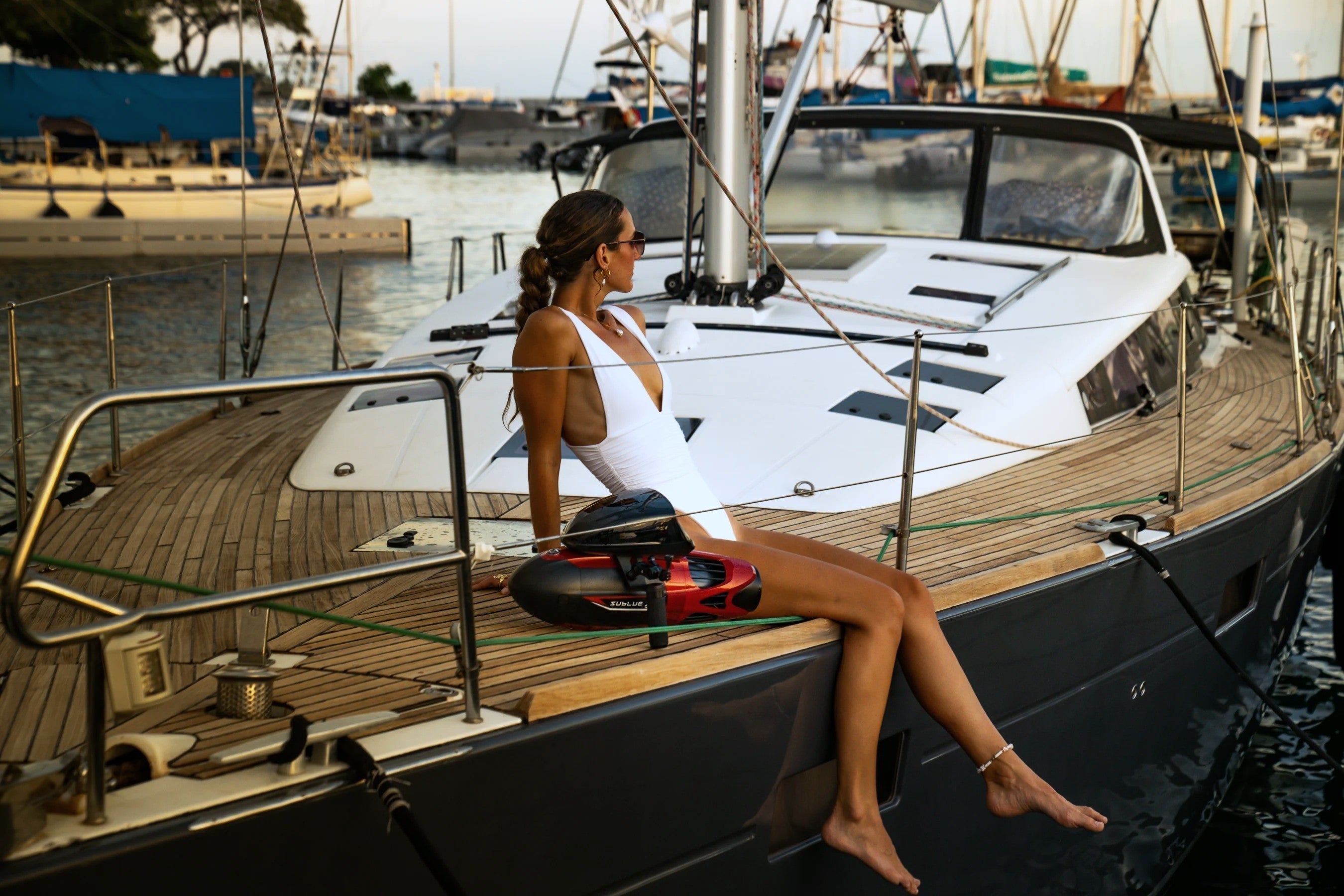
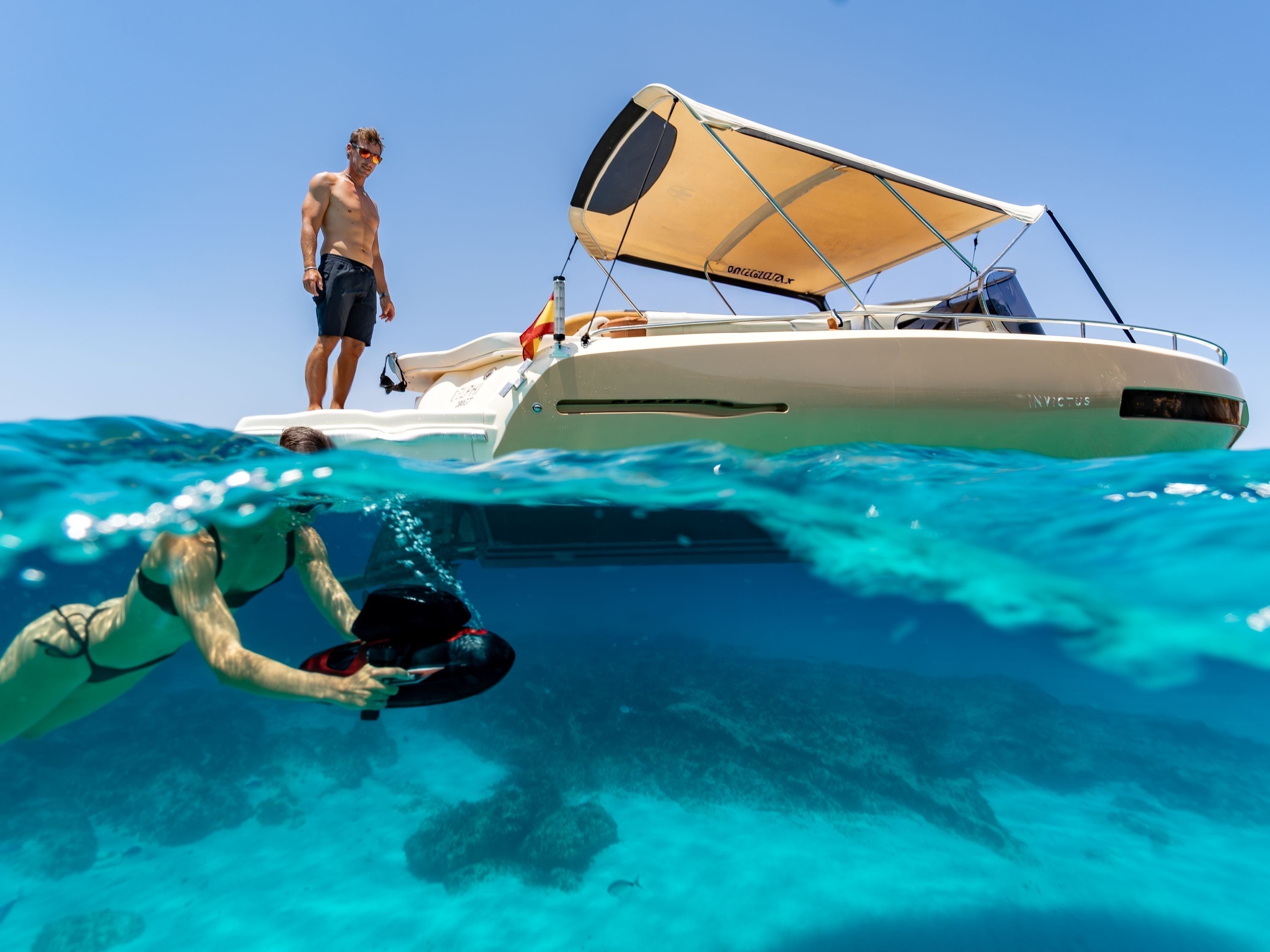
This is one reason some travelers choose Sublue products for beach trips, yacht travel, and island vacations.





Partager:
10 meilleures activités nautiques à essayer cet été (de facile à extrême)