



Your First Snorkeling Experience Starts Here
If you're planning your first Big Island snorkeling trip, you're choosing one of the best places in the world to start.
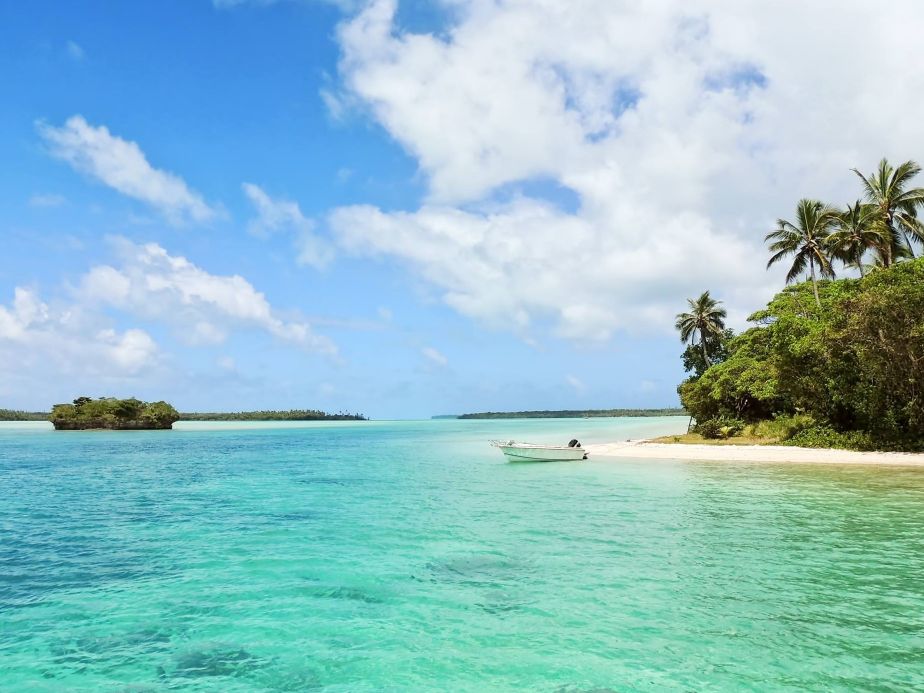
The Big Island of Hawaii is widely known for its calm, clear waters, abundant marine life, and easy shoreline access — making it one of the most beginner-friendly snorkeling destinations in Hawaii.
Imagine stepping into warm, crystal-clear water. You float, look down, and suddenly see coral gardens, schools of tropical fish, and maybe even a sea turtle gliding past you.
That first moment is unforgettable — and on the Big Island, it’s also incredibly accessible.
Why the Big Island Is Perfect for Beginner Snorkelers
The west coast of the island — especially the Kona side — offers ideal snorkeling conditions year-round.
Protected by massive volcanoes like Mauna Loa and Hualālai, the ocean here is often calmer and clearer than other Hawaiian islands.
What makes Big Island snorkeling beginner-friendly:
●Warm water (75–80°F / 24–27°C)
●Calm, protected bays
●Shallow reef close to shore
●Excellent visibility(often 100 ft+)
For first-timers, this means less stress, easier entry, and more time enjoying the underwater world.
What You’ll See: Marine Life
Snorkeling the Big Island feels like entering a natural aquarium.
Common sightings include:
● Honu (Hawaiian green sea turtles)
● Yellow tang
● Parrotfish
● Butterflyfish
● Spinner dolphins

Top 3 Beginner Snorkeling Spots on the Big Island
1. Kahaluʻu Beach Park — Best All-Around Beginner Spot
Kahaluʻu Beach Park is often considered the best place to start Big Island snorkeling.
This small bay is naturally protected by a reef, creating calm, shallow water that feels almost like a natural swimming pool.
Why it’s ideal for beginners:
● Lifeguards on duty
● Easy sandy entry
● On-site rentals
● Calm conditions most days
What makes it special:
Marine life here is extremely concentrated. Within just a few steps into the water, you’ll see:
● Yellow tang
● Butterflyfish
● Parrotfish
● Hawaiian green sea turtles (honu)
For families and first-time snorkelers, this is one of the most forgiving and rewarding environments in Hawaii.
Pro tips:
● Go before 9 AM for best visibility
● Enter from sandy patches (avoid stepping on reef)
● Wear water shoes if needed
2. Hōnaunau Bay — Best Easy Entry Experience
“Two Step” is famous for its natural lava rock steps that make entering the ocean incredibly easy.
Instead of struggling over rocks, you simply step down into the water.
Why beginners love it:
● Smooth, natural entry
● Clear water immediately
● Reef starts just meters away
What you’ll see:
● Large schools of reef fish
● Sea turtles
● Occasional spinner dolphins
Things to know:
● No lifeguards
● Watch for sea urchins near rocks
● Stay within your comfort zone
This spot offers a slightly more “open ocean” feel, making it a great next step after Kahaluʻu.
3. Kealakekua Bay — Best Overall Snorkeling Experience
Kealakekua Bay is widely regarded as the best snorkeling location on the Big Island.
As a protected marine sanctuary, it offers unmatched water clarity and marine biodiversity.
Why it stands out:
● Visibility often exceeds 100 feet
● Extremely dense marine life
● Protected ecosystem
Best way for beginners:
● Join a guided boat tour
What you’ll experience:
● Massive schools of fish
● Spinner dolphins
● Sea turtles
● Pristine coral formations
Because the reef areas are spread out, this is also where many snorkelers begin to notice physical fatigue — especially when trying to explore multiple sections.

How to Explore More Without Getting Tired
One of the biggest challenges for beginner snorkelers isn’t fear. Snorkeling is often described as “easy” — but for beginners, it can still become tiring over time.
Fin-kicking, staying afloat, and navigating currents all require energy. Even in calm water, traditional snorkeling relies entirely on fin kicking. After 15–20 minutes, many beginners start to feel tired, shorten their sessions, or stay close to shore. At larger sites like Kealakekua Bay, exploring multiple reef zones can quickly lead to fatigue.
This is where underwater scooters offer a meaningful upgrade.
Why traditional snorkeling can feel limiting
Even in calm water, beginners often experience:
● Leg fatigue from constant kicking
● Shorter exploration time
● Difficulty staying with a group
● Reduced confidence in deeper water
This limits how much of the reef you can actually experience.
How underwater scooters change the experience
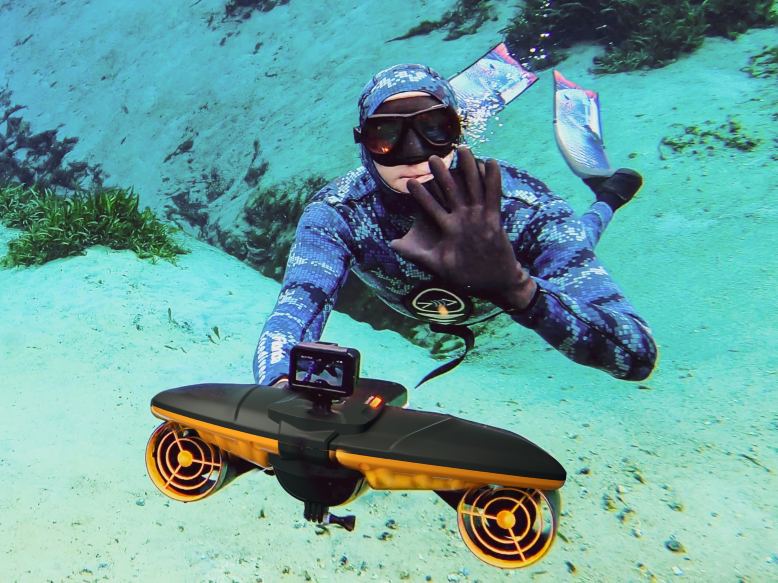
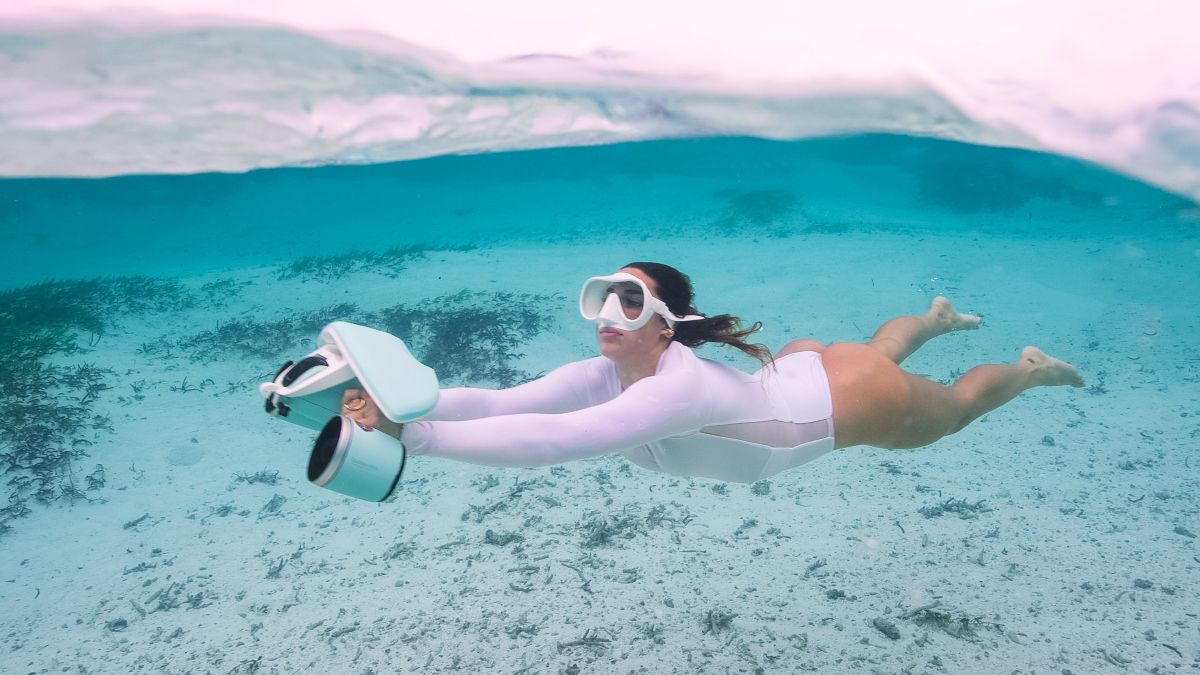
A beginner-friendly underwater scooter allows you to:
● Move effortlessly without kicking
● Cover 2–3x more distance
● Stay in the water longer
● Focus on observation instead of effort
It transforms snorkeling from a physical activity into a relaxed exploration experience.
Choosing the right type of scooter
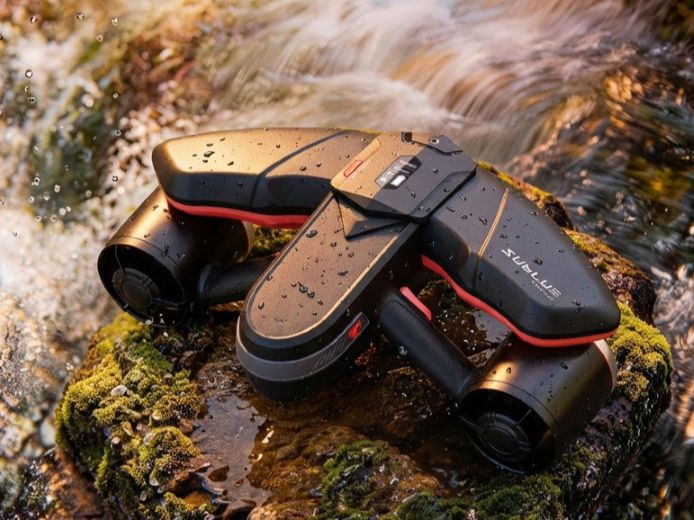
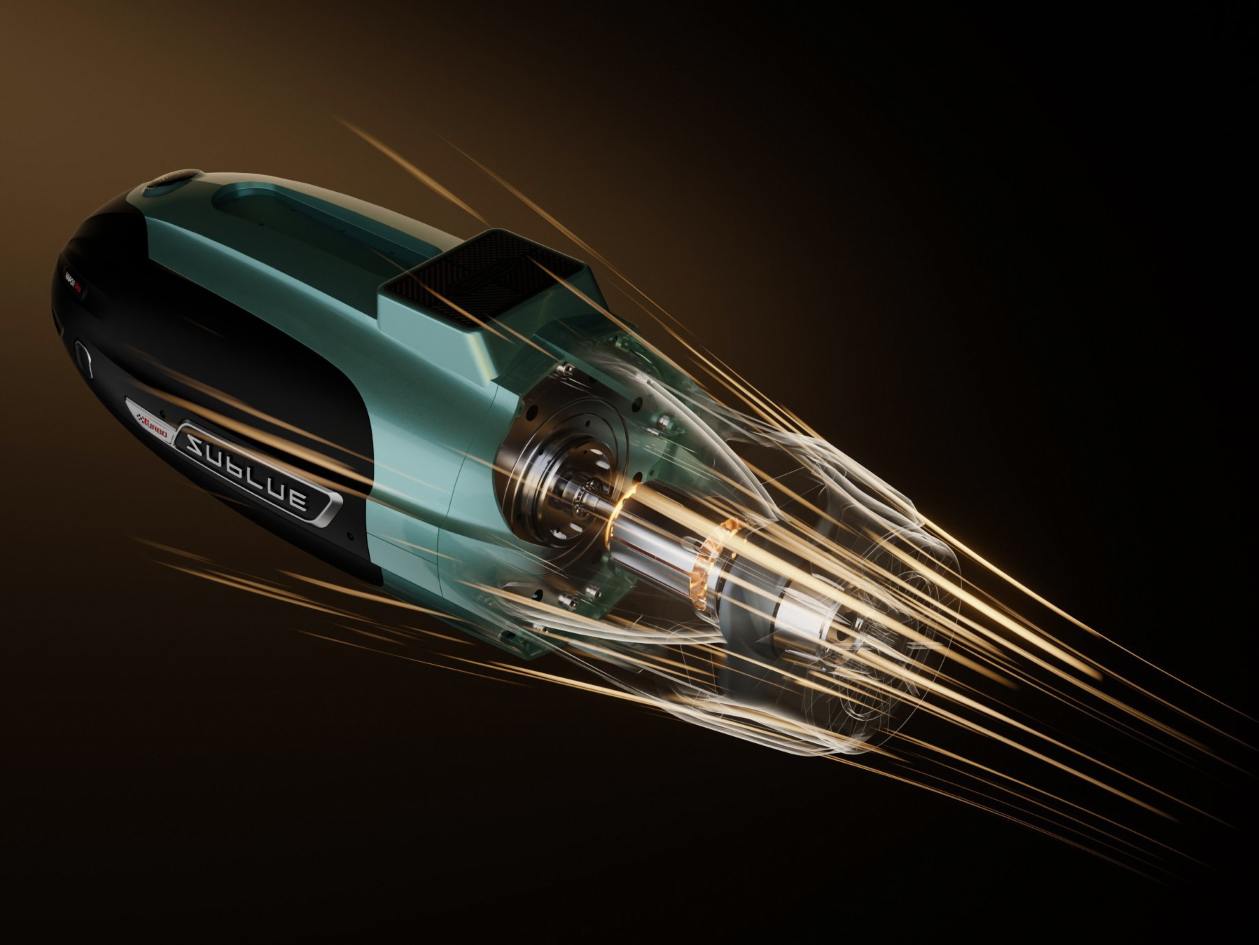
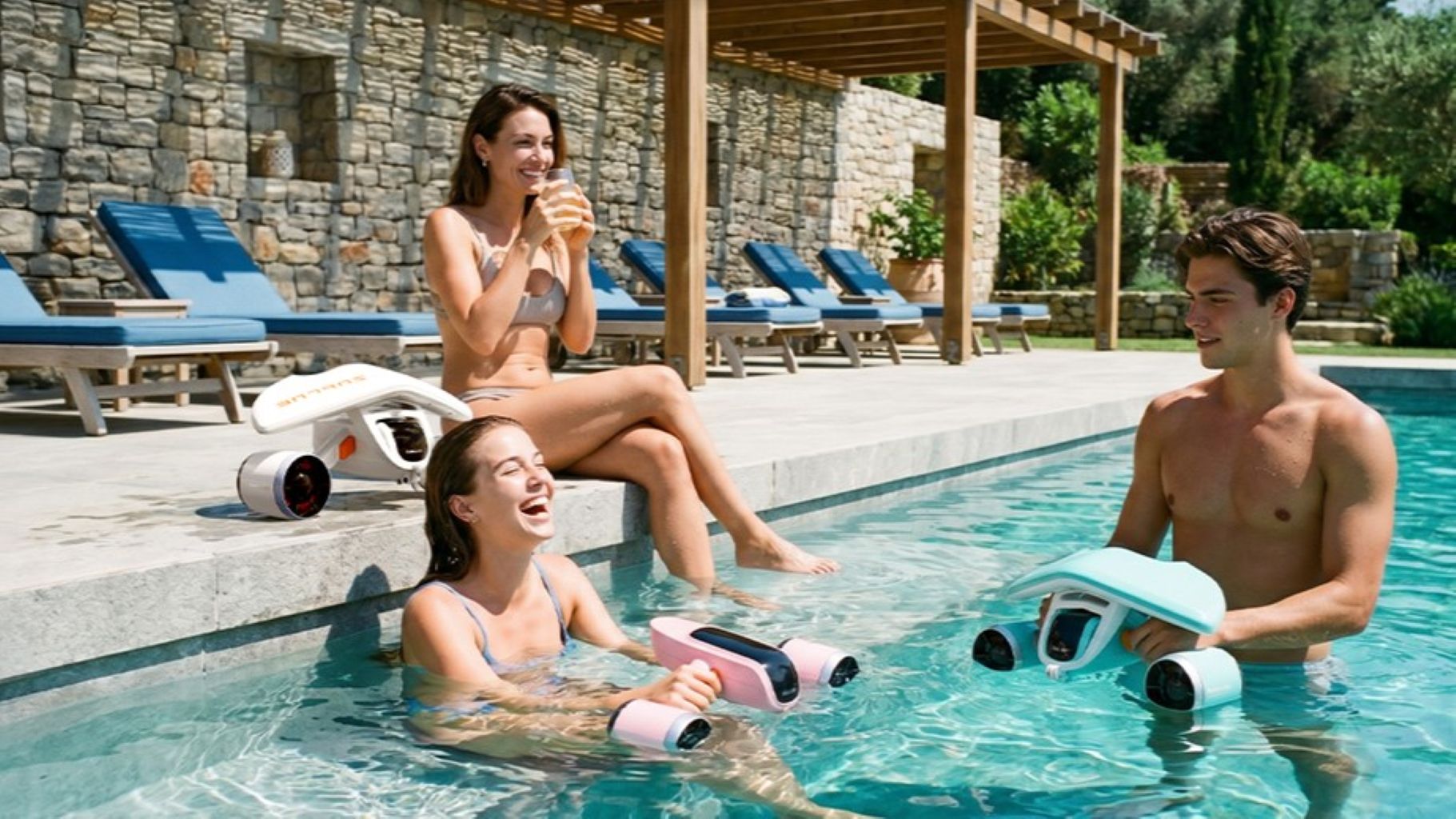
For beginners, models like Sublue Mix series are lightweight, intuitive, and designed for casual exploration.
● Compact and easy to carry
● Positive buoyancy (floats if released)
● Simple dual-trigger control
● Great for shallow reef exploration
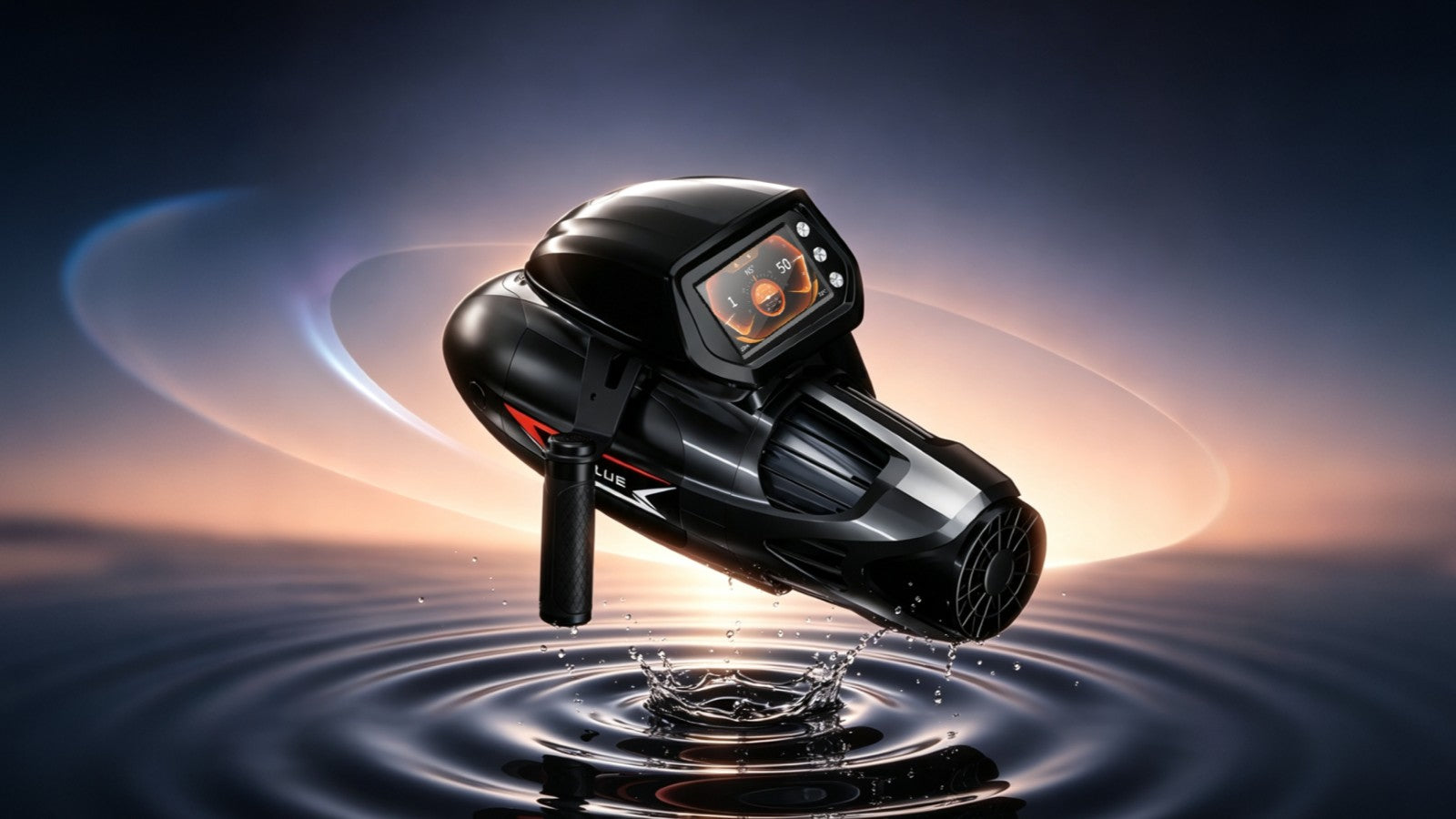
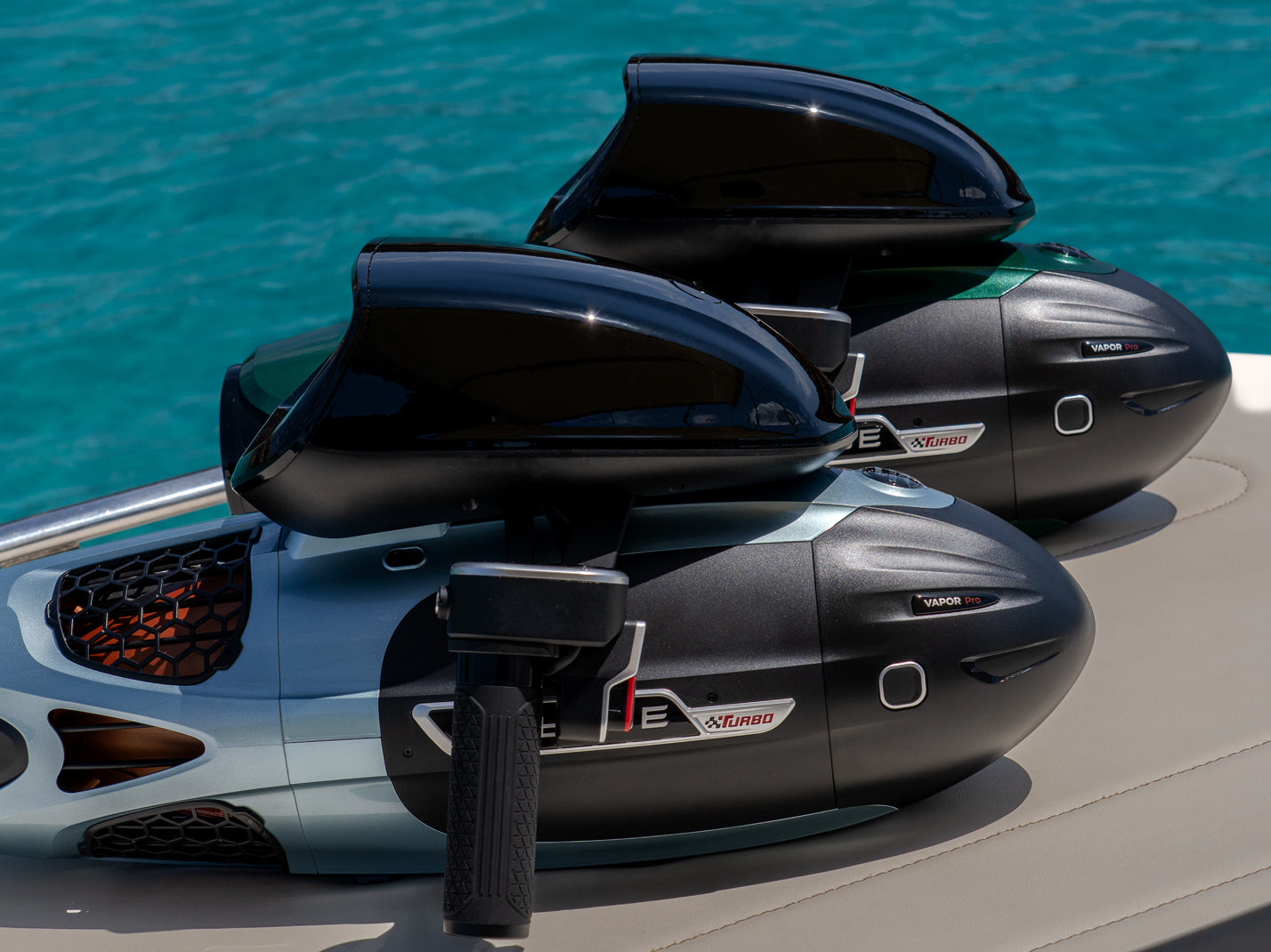
For longer sessions or stronger propulsion, Sublue Navbow series offers more power and extended battery life, making it ideal for covering larger snorkeling areas like Kealakekua Bay.
● Longer battery life
● Stronger propulsion
● Better for deeper or extended sessions
Real-world scenario
At Kealakekua Bay:
Without an underwater scooter:
● You explore one section → get tired → return
With an underwater scooter:
● You glide across multiple reef zones
● You conserve energy
● You stay relaxed and present

Why this matters for beginners
For first-time snorkelers, confidence is everything.
An underwater scooter provides:
● Physical support
● Psychological reassurance
● More enjoyable first experience
Instead of worrying about effort, you simply float — and explore.
Beginner Snorkeling Tips
● Go early (before 9 AM)
● Use reef-safe sunscreen
● Never touch coral
● Keep safe distance from wildlife
● Stay hydrated
FAQs
Q1: Do I need to be a strong swimmer to snorkel here?
No, strong swimming skills are not required — but basic water confidence helps. Many beginners use a snorkel vest or flotation belt, which allows you to float effortlessly without treading water. If you’re nervous, start in shallow areas where you can stand, and gradually move deeper as you gain confidence.
Q2: When is the best time of day to snorkel on the Big Island?
Early morning (before 9–10 AM) is ideal. The ocean is typically calmer, visibility is better, and there are fewer people in the water. Wind and waves tend to increase in the afternoon, which can make conditions less comfortable for beginners.
Q3: Can beginners use an underwater scooter safely?
Yes. Most recreational underwater scooters are specifically designed for beginners. Models like the Sublue Mix feature simple controls — typically just pressing two triggers to go — and stop automatically when released. They also have positive buoyancy, meaning they float to the surface if let go. As long as you follow basic safety guidelines and stay in calm water, they are very beginner-friendly.
Q4: Is it allowed to bring an underwater scooter on a flight to Hawaii?
In most cases, yes — but it depends on the battery size and airline regulations. Many compact scooters (including models around 100–160Wh) fall within airline carry-on limits, but policies can vary. Always check with your airline in advance and follow lithium battery transport guidelines. It’s also common to carry the battery in your carry-on luggage.
Q5: Will using an underwater scooter disturb marine life?
No — electric underwater scooters are relatively quiet compared to boats or other motorized equipment. When used responsibly (no chasing or touching animals), they do not significantly disturb marine life. In fact, because they reduce frantic swimming movements, they can sometimes create a calmer, more controlled experience in the water.

Q6: What is the safest way to snorkel if I’m traveling alone?
Solo snorkeling is common, but safety should always come first. Choose beaches with lifeguards, stay close to shore, and avoid strong currents or rough conditions. Let someone know your plan and expected return time. Many solo travelers also prefer using an underwater scooter because it provides assisted movement and reduces fatigue, adding a layer of control and confidence in the water.
Q7: What are the most common mistakes beginners make?
● Entering the water during rough afternoon conditions
● Wearing a poorly fitting mask (causing leaks and frustration)
● Standing on coral (harmful and dangerous)
● Swimming too far too fast and getting tired
● Not checking local conditions before entering
Avoiding these mistakes will dramatically improve your first experience.
Share:
Solo Beach Trips: Ocean Therapy, Mental Healing, and the Freedom of Exploring Alone
Why Do You Need an Underwater Scooter?