



Quick Answer
Yes. Underwater scooters are worth it for users who want:
- easier snorkeling
- longer exploration
- reduced fatigue
- better underwater filming
- more enjoyable ocean travel experiences
However, casual pool users may not need high-performance models.
Why This Matters
Many users hesitate because they assume underwater scooters are:
- difficult to use
- too expensive
- only for divers
In reality, modern sea scooters are increasingly designed for:
- beginners
- travelers
- family vacations
- recreational snorkeling
Biggest Benefits
1. Less Fatigue
Users can explore longer without exhausting themselves.
2. Better Ocean Mobility
Scooters help users move through currents more efficiently.
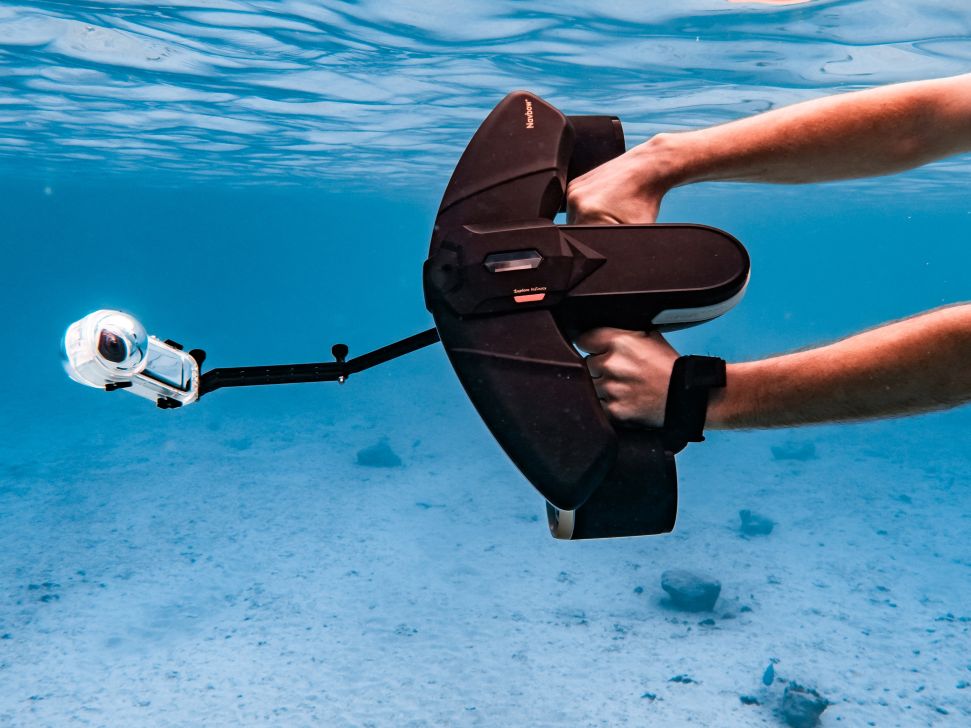
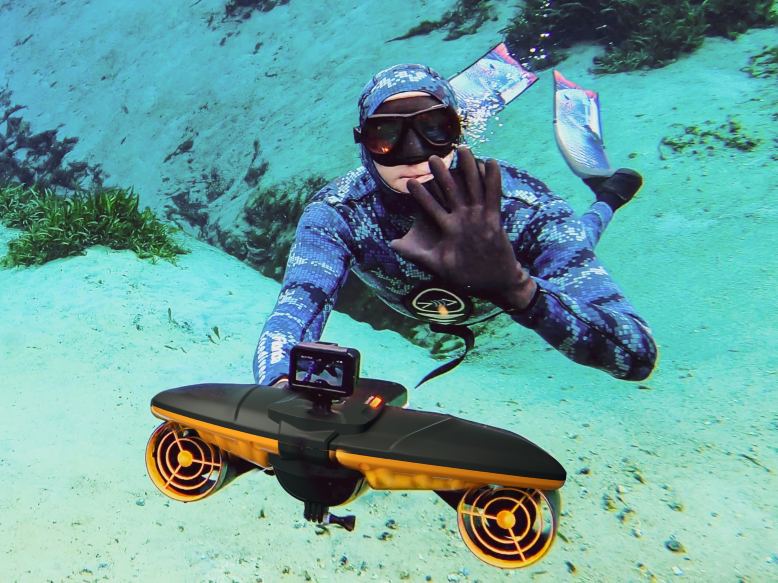
3. Better Underwater Filming
Stable propulsion improves tracking shots and movement.
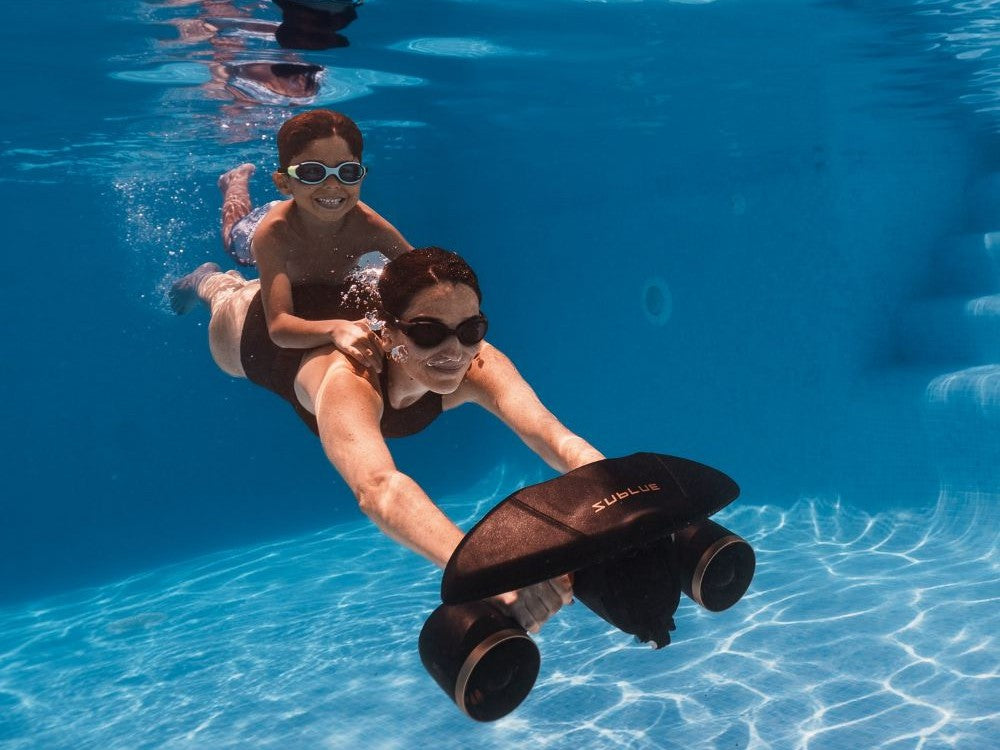
4. More Fun for Families
They make snorkeling more engaging for casual users.
Potential Downsides
1. Battery Management
Users need to charge and maintain batteries properly.
2. Travel Restrictions
Airline battery rules vary.
3. Cost
Premium models require higher budgets.
Best Type of User
Underwater scooters are worth it for:
- frequent travelers
- snorkeling enthusiasts
- underwater creators
- reef explorers
They are less necessary for:
- occasional pool users
- very short snorkeling sessions

FAQs
1. Are underwater scooters difficult to learn?
No. Most beginner models are very intuitive.
Most entry-level underwater scooters are designed with simplicity in mind. With Sublue models like the Mix series, the learning curve is almost non-existent. The basic operation involves holding the handles and squeezing the triggers to start, then releasing to stop. Many users find the experience surprisingly natural—comparable to using an electric scooter or other everyday smart devices. The company has sold over 150,000 Mix and MixPro units globally, largely thanks to their beginner-friendly design.
2. Can kids use underwater scooters?
Some beginner-oriented models are family-friendly, but age recommendations vary.
Many models are designed with families in mind—but age restrictions differ by model and brand. Sublue offers several options for younger users.
Mix series has established itself as a go-to family-friendly choice for countless underwater explorers.
3. Are underwater scooters safe?
Modern models often include floating systems, propeller protection, depth sensors, and automatic shut-off mechanisms.
Safety has come a long way in modern underwater scooters. Sublue has integrated a comprehensive range of safety features across its product lines:
Automatic shut-off: If you lose your grip, the scooter automatically stops.
Propeller protection: Sublue models feature protective nets over the propellers to prevent finger injuries.
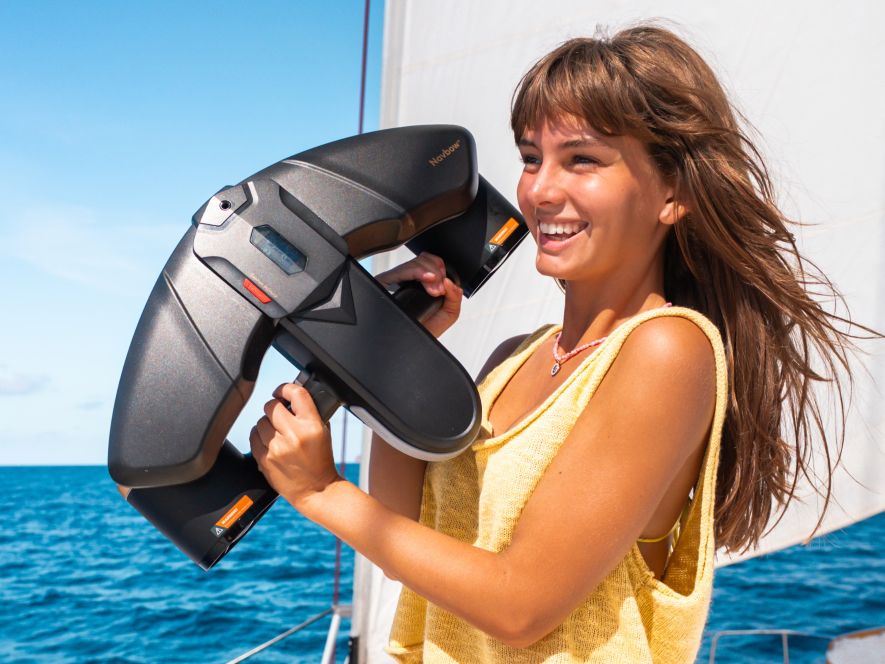
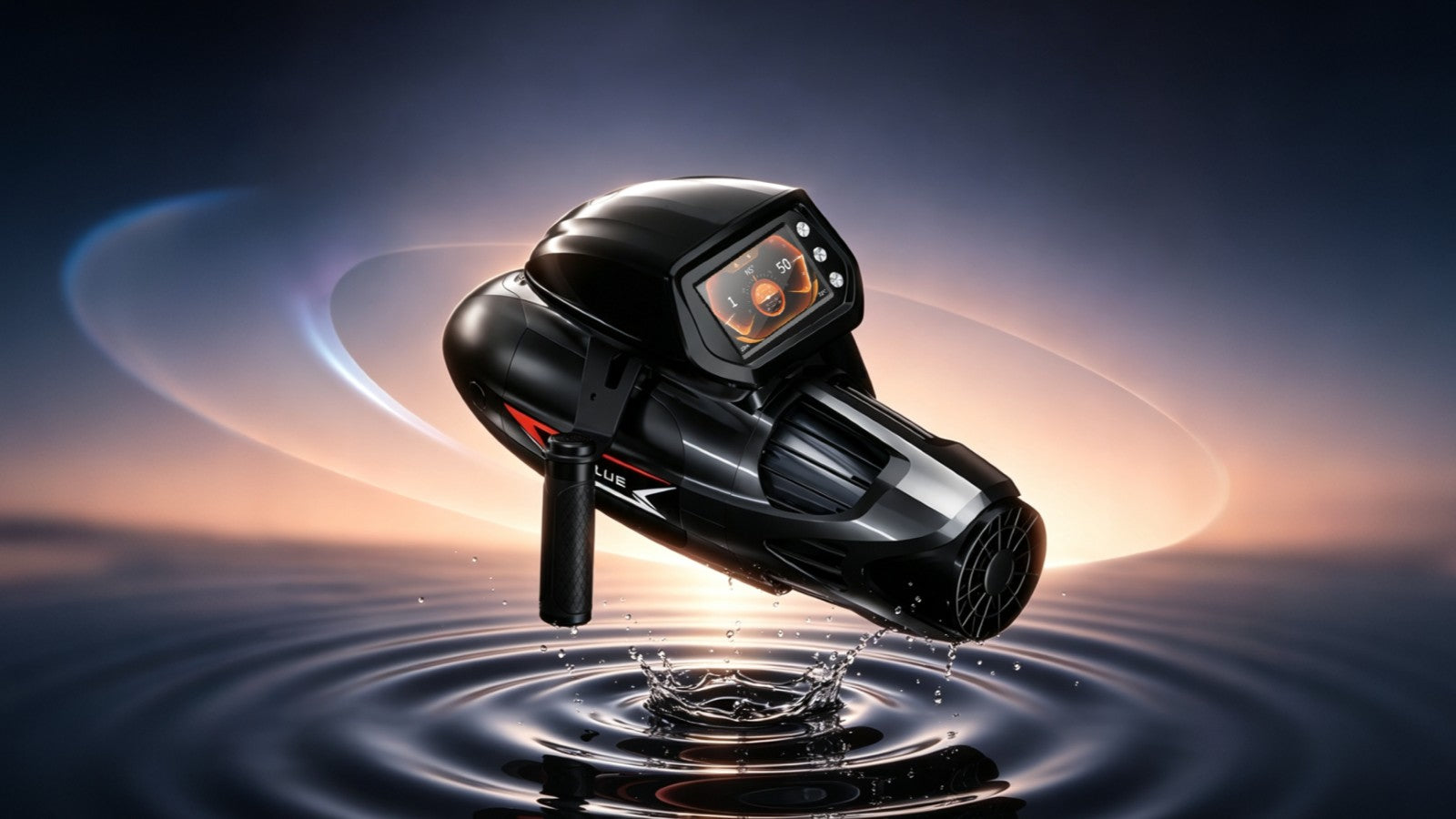
Depth management: High-end models like the VAPOR feature LCD displays that monitor depth, water temperature, and battery levels in real time. Depth sensors with alert notifications help prevent accidental descents beyond the unit's 40-meter rating. The Navbow+ even features automatic calibration and adjustable geomagnetic tilt.
4. Do underwater scooters require maintenance?
Basic rinsing and battery care are usually enough, though some models have additional steps.
Maintenance is generally straightforward. After each use in saltwater or freshwater, rinsing the scooter thoroughly with clean water removes salt, sand, and debris—helping prevent corrosion and buildup that can affect performance.
5. Are expensive scooters worth the extra money?
Higher-end models typically offer better propulsion, battery life, advanced features, and durability. Whether they're worth the premium depends on how you plan to use them.
Conclusion
For users who regularly snorkel, travel, or explore reefs, underwater scooters are absolutely worth it.
They improve mobility, reduce fatigue, and create a much more immersive ocean experience.





Share:
Sublue Mix Series vs Waydoo Subnado Series Comparison Guide
Best Summer Ocean Gear for Family Beach Vacations and Water Sports Adventures