


September is an excellent month for ocean travel because different marine ecosystems are entering very different seasonal phases. In some destinations, warm-water snorkeling conditions remain favorable; in others, seasonal migrations and plankton-rich waters bring larger animals closer to productive feeding grounds.
The key is to match the animal, destination, and seasonal conditions rather than assuming that every marine species is equally visible everywhere in September.
For travelers planning a September ocean vacation, the strongest opportunities range from green sea turtles in Hawaii and whale sharks in Baja California Sur to manta rays in the Maldives, mola mola around Bali, and humpback whales along parts of the Pacific coast.
September can also be a particularly interesting month for combining wildlife encounters with snorkeling, underwater filming, kayaking, boating, and underwater scooter exploration.
Quick Answer: If seeing marine life is the priority, the best September targets include sea turtles, manta rays, whale sharks, sea lions, dolphins, mola mola, humpback whales, reef sharks, hammerhead sharks, and leatherback sea turtles. The best destination depends on which animal you want to see and whether you prefer snorkeling, diving, boat-based wildlife watching, or underwater exploration.

Why September Is a Good Month for Marine-Life Encounters
Marine wildlife does not follow the human calendar of summer and winter vacations. Instead, animal movements are influenced by water temperature, food availability, currents, breeding cycles, migration, tides, and seasonal productivity.
That makes September particularly interesting.
In California, for example, the transition from summer upwelling toward the fall oceanic season changes coastal conditions and brings opportunities to see whales, sea turtles, dolphins, sharks, and ocean sunfish. NOAA describes September through November as an “Oceanic” period around the Farallon Islands, with warmer surface waters returning toward the coast and a range of marine animals appearing in the region.
In other parts of the world, September marks the beginning or peak of seasonal encounters with large pelagic animals. Around Baja California Sur, for example, whale sharks typically begin appearing in La Paz Bay from around September or October, while sea lions are present year-round.
So rather than asking simply, “Where should I go in September?”, a better question is:
“Which marine animal do I want to see, and where does its seasonal behavior give me the best chance?”
1. Green Sea Turtles — Hawaii
Best for: Snorkeling, underwater filming, beginners and families
The green sea turtle, known locally in Hawaii as honu, is one of the easiest marine animals to build a September snorkeling trip around.
Green turtles are resident animals around Hawaii rather than a species that only appears for a short seasonal window. September is attractive because summer ocean conditions can provide good opportunities for recreational snorkeling in suitable areas.
Hawaii's marine environment supports green sea turtles alongside dolphins, monk seals, seabirds, and other marine life. NOAA specifically identifies sea turtles as one of the protected marine animals encountered during ocean recreation in Hawaii.

How to explore
Snorkeling is the most accessible option.
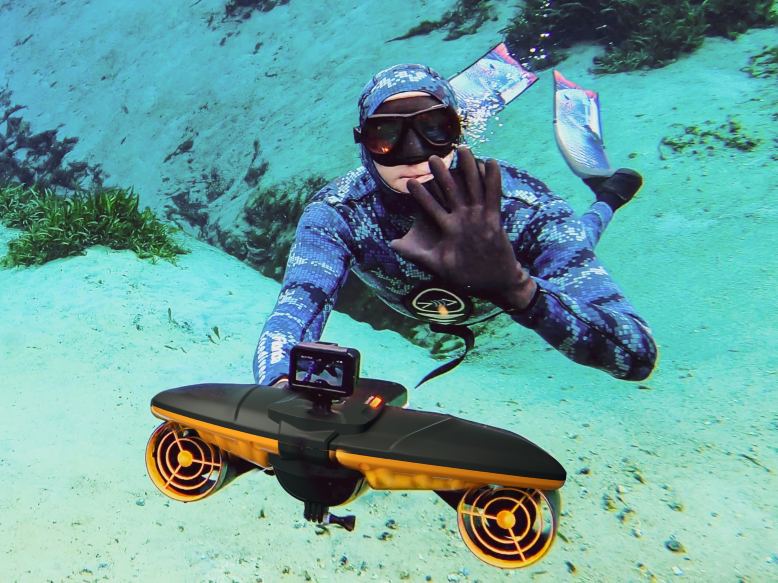
Calm, shallow reef areas allow beginners to observe turtles without needing advanced diving skills. A waterproof camera or action camera is useful for underwater filming, while an underwater scooter can help experienced and appropriately equipped users explore larger areas efficiently.
However, propulsion should never be used to chase wildlife. NOAA recommends keeping at least 10 feet (3 meters) from sea turtles in Hawaii and never touching, feeding, or disturbing them.
For families, this is one of the strongest combinations of beginner snorkeling + marine life + family water activities.
2. Manta Rays — Hawaii and the Maldives
Best for: Underwater photography, snorkeling, diving and night-ocean experiences
Manta rays are among the most spectacular animals to encounter underwater.
Their seasonal movements are strongly linked to food availability, particularly concentrations of zooplankton. NOAA notes that giant manta rays are migratory and that their movements can correspond to plankton availability, currents, water temperature, upwelling, and other environmental factors.
September is especially interesting in destinations where plankton-rich conditions attract large aggregations.
Hanifaru Bay in the Maldives, for example, is known for September manta encounters. Seasonal plankton concentrations can attract large numbers of manta rays, although the water can become less clear precisely because of the plankton that attracts the animals.
How to explore
For manta rays, the priority should be responsible wildlife viewing rather than propulsion.
Snorkeling or diving with a professional operator is generally more appropriate than trying to approach mantas independently.
For underwater filming, a wide-angle camera is particularly useful because manta rays are large animals that may pass relatively close without needing to be approached.

3. Whale Sharks — Baja California Sur, Mexico
Best for: Large-animal encounters, snorkeling and underwater photography
The whale shark is the world's largest fish, and September can mark the beginning of its seasonal return to La Paz Bay in Baja California Sur.
Local wildlife information indicates that whale sharks typically visit the area to feed on plankton, with the season generally beginning around September or October and continuing into spring.
That makes September particularly interesting for travelers who want to catch the beginning of a seasonal marine-life event.
How to explore
Whale shark encounters are primarily boat-based and guided.
Snorkeling is commonly used because whale sharks are often encountered near the surface while feeding.
This is a destination where underwater filming can be especially rewarding, but responsible wildlife interaction matters more than getting the closest possible shot.
4. California Sea Lions — California Coast
Best for: Boat trips, wildlife watching and photography
September is a particularly interesting time to look for California sea lions along the California coast.
The Monterey Bay National Marine Sanctuary notes that although California sea lions can be seen year-round, their numbers are particularly noticeable in fall as adults return from breeding areas around Southern California and Baja California.
This makes September a useful shoulder-season month for marine wildlife watching along the California coast.
How to explore
This is primarily a boat-based wildlife-watching experience rather than a snorkeling activity.
A telephoto lens or camera with zoom is more useful than underwater gear.
For travelers combining wildlife watching with other water activities, however, coastal kayaking or a boat trip can turn the encounter into part of a broader ocean experience.
5. Dolphins — California Coast and Hawaii
Best for: Boat trips, coastal exploration and families
Dolphins are among the most recognizable marine animals, but September can be particularly interesting in some regions.
The Monterey Bay National Marine Sanctuary reports that several dolphin species, including long-beaked common dolphins, Risso's dolphins, and Pacific white-sided dolphins, are more abundant in August and September.
Hawaii also supports several dolphin species, including spinner dolphins, but wildlife viewing rules are important. NOAA recommends observing dolphins from a responsible distance and specifically notes that people should not swim with spinner dolphins in Hawaii.
How to explore
The best option is generally a responsible wildlife-watching boat trip.
For families, dolphins can be one of the easiest animals to incorporate into a broader family water activities itinerary because the encounter does not require advanced swimming or diving skills.

6. Mola Mola — California and Bali
Best for: Experienced divers and underwater photography
The ocean sunfish, or mola mola, is one of the most unusual-looking large fish in the ocean.
September can be particularly interesting in several locations.
Around California's Farallon Islands, NOAA identifies mola mola among the marine animals associated with the September–November oceanic season.
Around Nusa Penida, Bali, September is also associated with seasonal mola mola encounters around cleaning stations, although the water can be cooler and currents can be demanding.
How to explore
This is more suitable for experienced divers than casual beginner snorkelers.
Underwater photographers should prioritize a wide field of view and patience rather than attempting to approach the fish aggressively.
Because mola mola encounters can involve deeper water and stronger currents, this is one animal on the list where choosing the right guide and conditions matters considerably more than bringing additional propulsion equipment.

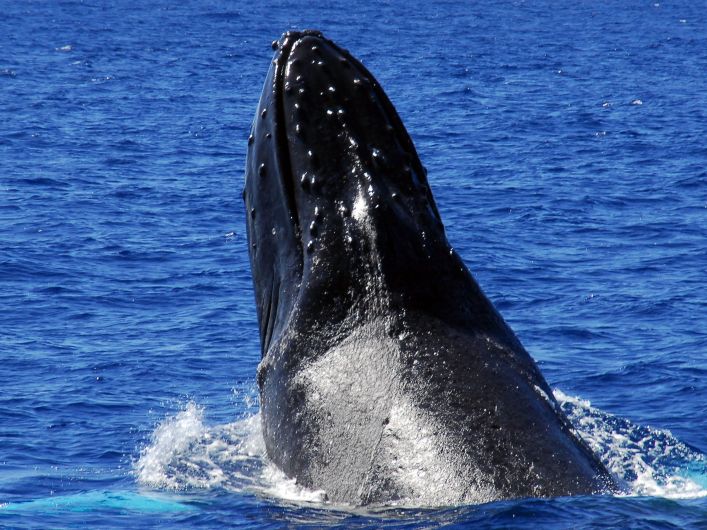
7. Humpback Whales — Pacific Coast
Best for: Whale watching and large-scale ocean experiences
September is not the peak humpback whale season everywhere, but it can still be a productive month in some regions.
Along California's Monterey Bay, humpback whales can be seen through the summer and into November.
Hawaii is different. Humpback whales begin arriving as early as September, according to Hawaii's Division of State Parks, but the main peak is much later, particularly January and February.
That distinction is important.
If whales are your primary reason for visiting Hawaii, September should not be described as peak whale season. It is better considered the beginning of the arrival period.
How to explore
Use boat-based whale watching or observe from shore where appropriate.
An underwater scooter is not appropriate for approaching whales. NOAA recommends maintaining a minimum distance of 100 yards (91 meters) from humpback whales in Hawaii.
8. Reef Sharks — Tropical Reefs
Best for: Diving and advanced underwater exploration
September can be a good month for encountering various reef shark species in tropical destinations, particularly where seasonal diving conditions remain favorable.
The important distinction is that “shark season” varies significantly by species and location.
For example, September diving guides identify a range of tropical destinations where reef sharks and other pelagic species may be encountered, but local conditions, currents, visibility, and regulations differ considerably.
How to explore
For shark encounters, guided diving or snorkeling is preferable to independent pursuit.
An underwater scooter can be useful in appropriate open-water or reef exploration settings. The goal is to observe natural behavior—not to make the animal react to the diver.

9. Hammerhead Sharks — French Polynesia
Best for: Experienced divers and dramatic underwater encounters
Hammerhead sharks are another potential September highlight, particularly around sites such as Rangiroa in French Polynesia.
September is associated with the beginning of seasonal hammerhead activity at certain sites, where schooling behavior can occur at deeper cleaning or channel areas.
This is not a beginner snorkeling activity.
How to explore
Experienced divers should use established dive operators familiar with local currents and animal behavior.
10. Leatherback Sea Turtles — California and Other Pacific Waters
Best for: Wildlife watching and seasonal marine-life observation
The leatherback sea turtle is the largest sea turtle species and one of the most wide-ranging reptiles in the ocean.
September can be an interesting period for observing leatherbacks in parts of the Pacific.
NOAA's Farallones sanctuary describes September through November as a period when giant leatherback sea turtles feed on jellyfish and squid in the region.
Leatherbacks are not the typical shallow-water snorkeling animal that travelers might associate with green sea turtles. They are highly migratory and spend much of their lives in open water.
How to explore
The most appropriate approach is responsible wildlife watching from boats or shore, depending on the location.
How to Explore These Destinations Responsibly
Seeing marine animals should never become a competition to get closer to them.
The best marine-life experiences follow a simple rule:
Observe first. Interact only when the activity is specifically permitted and managed responsibly.
For travelers planning a September ocean vacation, three forms of exploration can work particularly well.
1. Snorkeling
Snorkeling is ideal for shallow reefs, sea turtles, tropical fish, and some manta-ray encounters.
It is especially suitable for beginner snorkeling, families, and travelers who want a relatively simple introduction to marine life.
Choose calm water and good visibility whenever possible.
2. Underwater Filming
Underwater filming can turn a short snorkeling session into a lasting record of the trip.
A waterproof phone case can work for casual footage, while an action camera is more suitable for regular underwater filming.
The best footage usually comes from allowing animals to approach naturally rather than swimming after them.
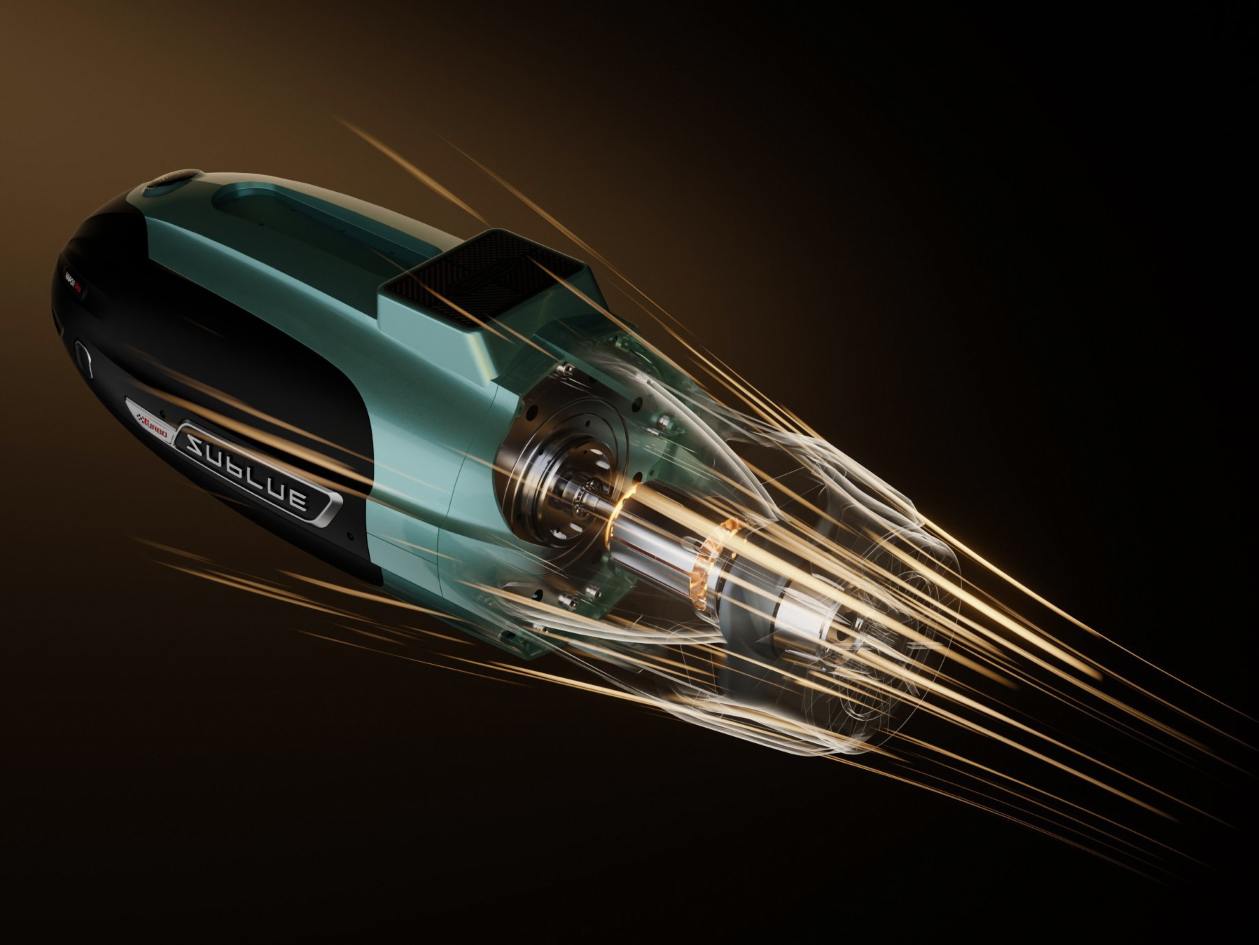
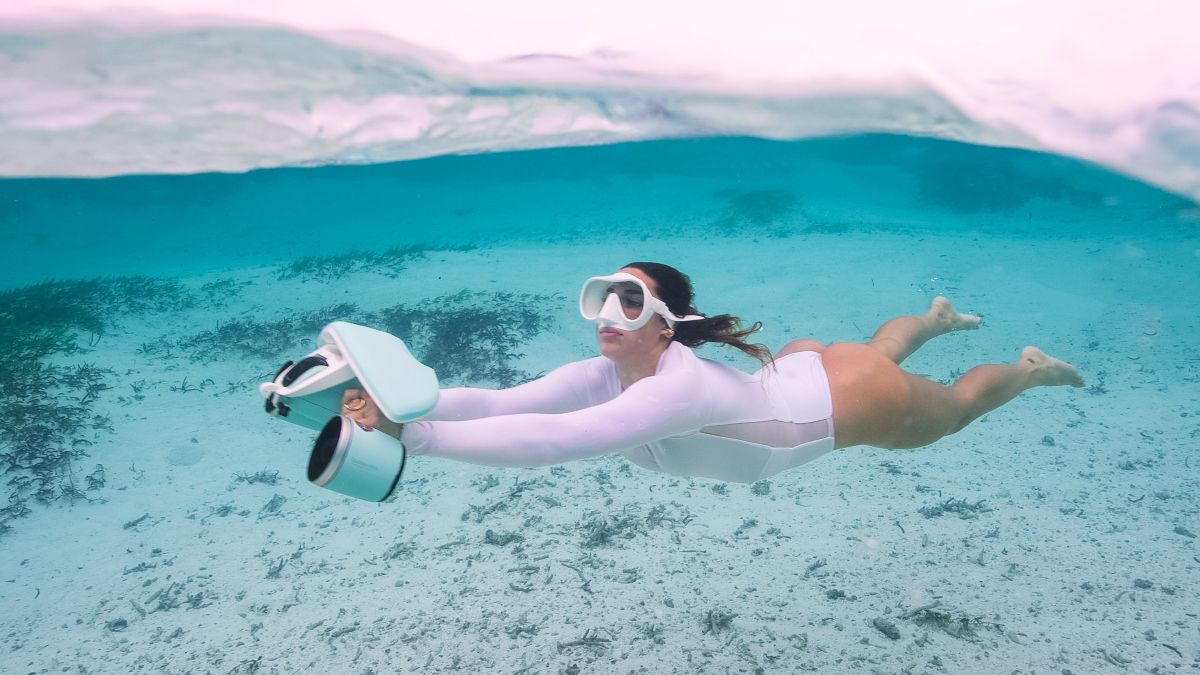
3. Underwater Scooters
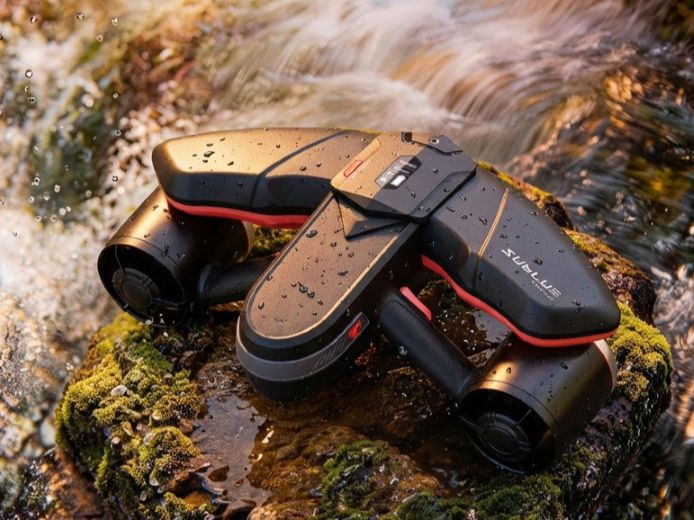
An underwater scooter can make recreational underwater exploration more efficient by providing propulsion.
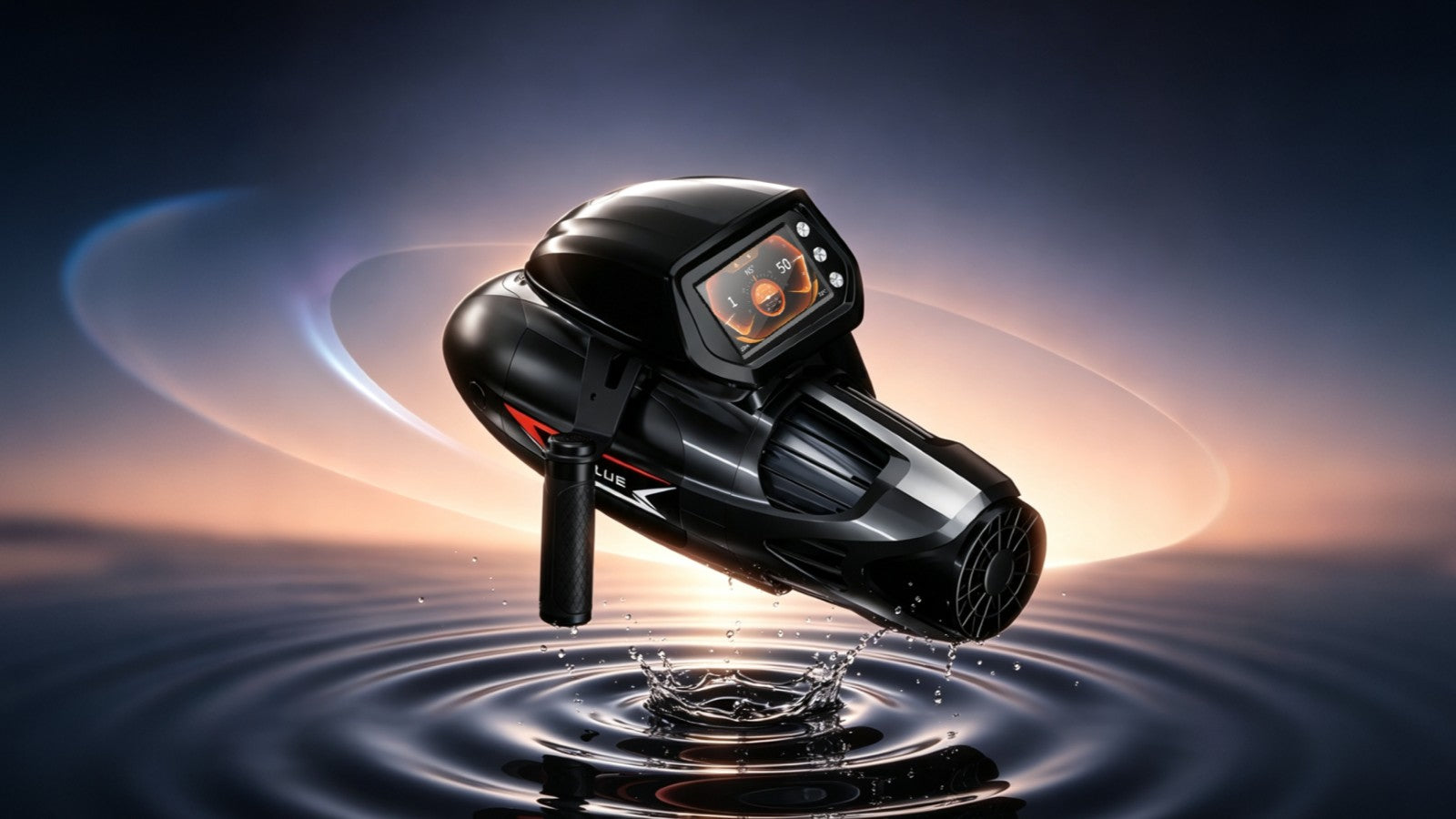
For appropriate users, products such as the Sublue Mix Series, Navbow, Navbow+, and VAPOR series cover different recreational scenarios.
The choice should depend on the activity:
- Sublue Mix Series— lightweight recreational use, beginners, families, and casual snorkeling.
- Sublue Navbow — snorkeling, underwater exploration, and underwater photography.
- Sublue Navbow+ — more advanced underwater functions for users seeking additional information and control.
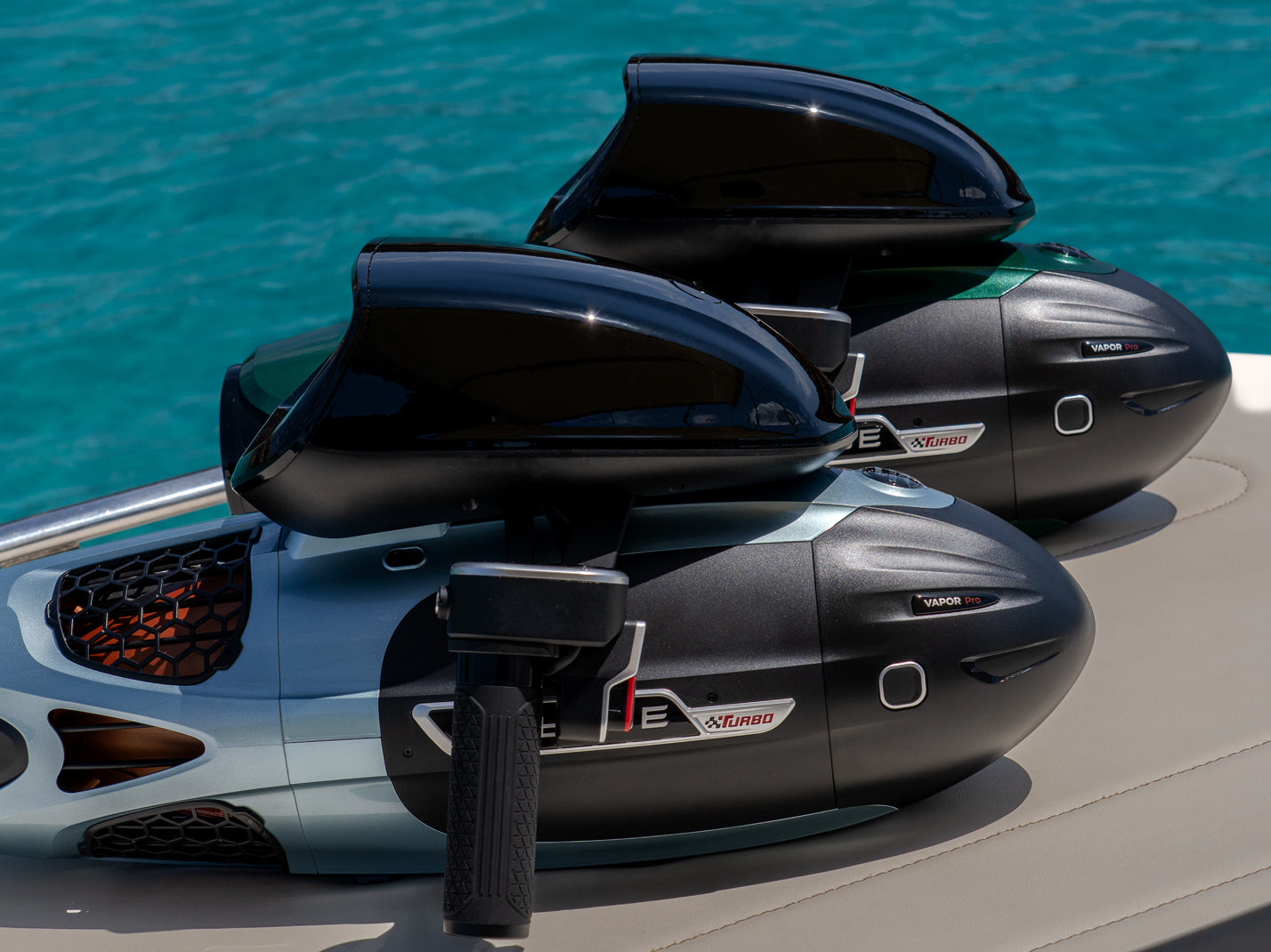
- Sublue VAPOR — higher-performance underwater riding, particularly suited to boat, yacht, and open-water recreation.
- Sublue VAPOR Pro — higher-performance use for travelers who want more capability from their underwater scooter.
However, an underwater scooter should be used to explore the environment—not to pursue marine animals.
For protected wildlife, always follow local rules, operator instructions, and minimum-distance requirements.

September Marine-Life Trip: Which Animal Should You Choose?
If you are planning a September trip specifically around marine wildlife, the choice can be simplified:
| Marine Animal |
Strong September Options |
Best Activity |
| Green sea turtle | Hawaii |
Snorkeling |
| Manta ray | Maldives, Hawaii |
Snorkeling / diving |
| Whale shark | Baja California Sur |
Guided snorkeling |
| California sea lion | California |
Boat wildlife watching |
| Dolphin | California, Hawaii |
Boat wildlife watching |
| Mola mola | California, Bali |
Diving |
| Humpback whale | California; early arrival in Hawaii |
Whale watching |
| Reef sharks | Tropical reef destinations |
Diving / snorkeling |
| Hammerhead shark | French Polynesia |
Diving |
| Leatherback turtle | California and Pacific waters |
Wildlife watching |
The strongest choice depends on what you want from the trip.
For beginner snorkeling, green sea turtles are an excellent target.
For a spectacular underwater photography experience, manta rays and whale sharks are stronger choices.
For large-animal encounters without entering the water, whales, dolphins, and sea lions are more appropriate.
For experienced divers, mola mola and hammerhead sharks offer more specialized encounters.

Final Verdict: September Is About Matching the Animal to the Ocean
September is not universally “the best month” for every marine animal.
That is exactly what makes it interesting.
Different species respond to different seasonal changes. Sea turtles may be resident year-round, whale sharks may begin seasonal visits, mantas can gather around plankton-rich waters, dolphins can become more abundant in certain coastal regions, and whales can be moving between feeding and breeding areas.
The best strategy is therefore:
Choose the animal first → identify its September destination → check local water conditions → choose the right activity → bring appropriate ocean gear.
For a relaxed family trip, that might mean snorkeling with sea turtles.
For an underwater photography trip, it could mean manta rays or whale sharks.
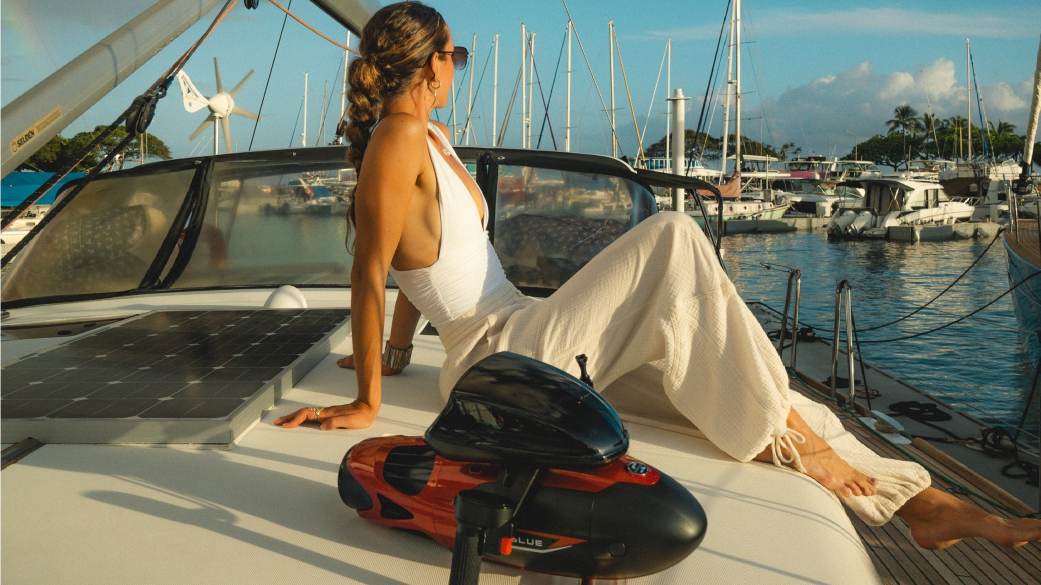
For a yacht or boat vacation, an underwater scooter such as a Sublue VAPOR Series can add another dimension to recreational ocean exploration—provided local conditions and regulations allow it.
For snorkeling-focused travelers, the Sublue Navbow series can complement underwater exploration and filming, while the Mix series offers a more lightweight option for beginners and family-oriented recreational use.
The most important rule, however, remains the same regardless of the equipment:
The goal of a marine-life adventure is not to get closer to wildlife. It is to experience wildlife without changing its natural behavior.
That is what turns a September trip into a meaningful ocean experience—and not simply another vacation checklist.

Share:
5 Best Places to Visit for Water Adventures in September