


September is one of the best months of the year to plan an ocean vacation. In many destinations, summer crowds begin to ease while sea temperatures remain warm, visibility improves, and conditions become ideal for snorkeling, diving, kayaking, and other water sports.
But September is not equally good everywhere. Some tropical destinations are entering a wetter season, while others are moving into their clearest and calmest period.
If your goal is not simply to sit on the beach but to build a complete ocean experience—combining snorkeling, marine-life encounters, kayaking, underwater filming, boat trips, and an underwater scooter—these five destinations stand out.

September Water Adventure Ranking
| Rank | Destination |
Country / Territory |
September Recommendation |
Best For |
| 1 |
Moorea & Bora Bora |
French Polynesia |
⭐⭐⭐⭐⭐ |
Lagoons, marine life, snorkeling, ocean exploration |
| 2 |
Yasawa Islands |
Fiji |
⭐⭐⭐⭐⭐ |
Manta rays, snorkeling, kayaking, island escape |
| 3 |
Kerama Islands, Okinawa |
Japan | ⭐⭐⭐⭐⭐ |
Beginner snorkeling, turtles, family water activities |
| 4 |
Great Barrier Reef |
Australia |
⭐⭐⭐⭐ |
Reef exploration, underwater filming, diving |
| 5 |
Red Sea – Hurghada / Sharm El-Sheikh |
Egypt |
⭐⭐⭐⭐ |
Warm water, coral reefs, visibility, diving |
Quick answer: If you want the best overall combination of warm water, clear lagoons, marine life, and a wide range of ocean activities, French Polynesia is the strongest September choice. For manta rays, choose Fiji. For beginner-friendly snorkeling, choose Okinawa. For reef biodiversity and underwater photography, choose the Great Barrier Reef. For exceptionally warm water and reliable September conditions, choose Egypt's Red Sea.
1. Moorea & Bora Bora, French Polynesia
September Recommendation: ⭐⭐⭐⭐⭐
Best for: snorkeling, lagoon exploration, underwater filming, kayaking, family water activities, whale watching, ocean vacations
If September is your opportunity to take one major ocean trip, French Polynesia deserves the top spot.
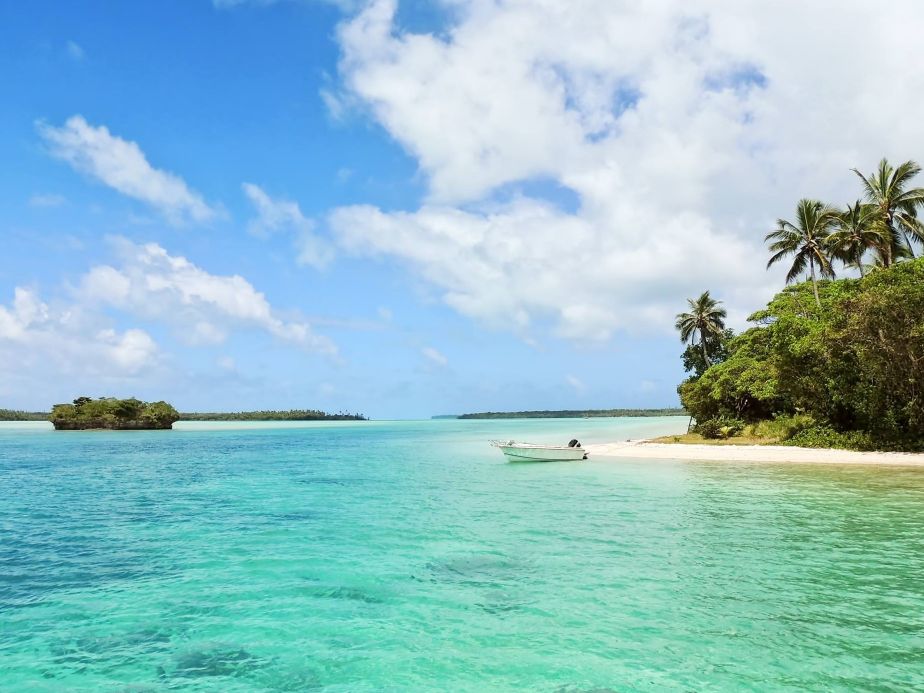
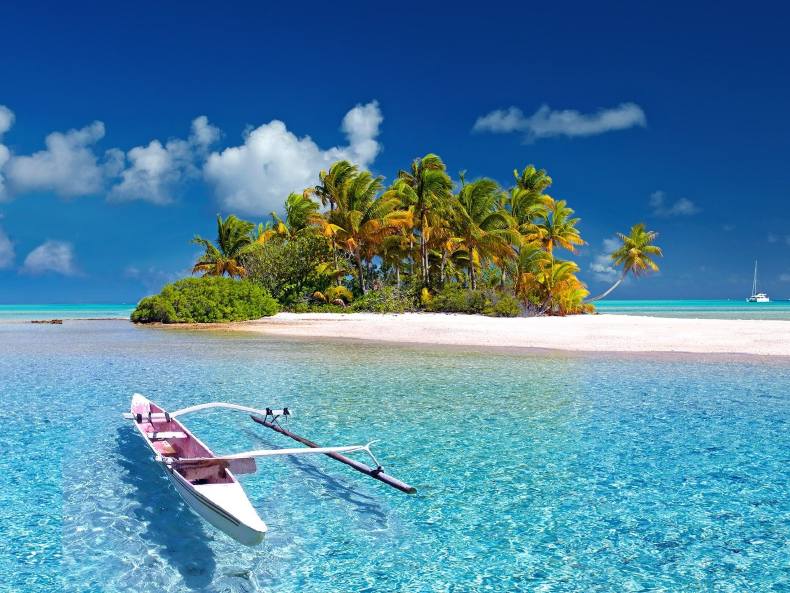
The islands of Moorea and Bora Bora combine warm turquoise lagoons, coral gardens, dramatic volcanic landscapes, and abundant marine life. September also falls within the dry-season window, making it particularly attractive for spending long days on the water.
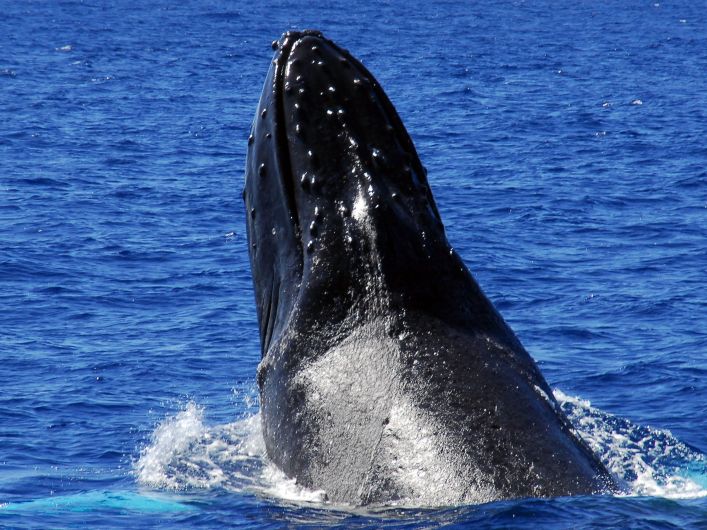
In Moorea, official tourism information highlights snorkeling and diving with sea turtles, stingrays, manta rays, blacktip reef sharks, tropical fish and lemon sharks. Humpback whales also visit French Polynesian waters from July through November.
Water Conditions in September
- Water temperature: approximately 26–27°C
- Visibility: often 30+ meters, with some lagoons and channels exceeding 40 meters
- Typical conditions: warm, clear and generally favorable for water activities
- Ocean character: protected lagoons plus more dynamic outer-water environments
September is particularly attractive for travelers who want to combine different activities rather than spend the entire trip doing one type of water sport.
You can start the morning with snorkeling, paddle a kayak through a lagoon, take a traditional outrigger canoe, and finish the afternoon on a boat excursion.
Official Tahiti tourism information specifically recommends snorkeling, paddleboarding and kayaking around Moorea's lagoons.
What Can You See?
Expect a strong mix of:
- Sea turtles
- Manta rays
- Stingrays
- Blacktip reef sharks
- Lemon sharks
- Tropical reef fish
- Dolphins
- Humpback whales in season
The important distinction is that not every activity should involve equipment. A water scooter is useful for exploring open water where permitted, but wildlife encounters should always be handled according to local operator and conservation rules. Whale encounters in particular are regulated and should be conducted through licensed operators.

Where an Underwater Scooter Fits
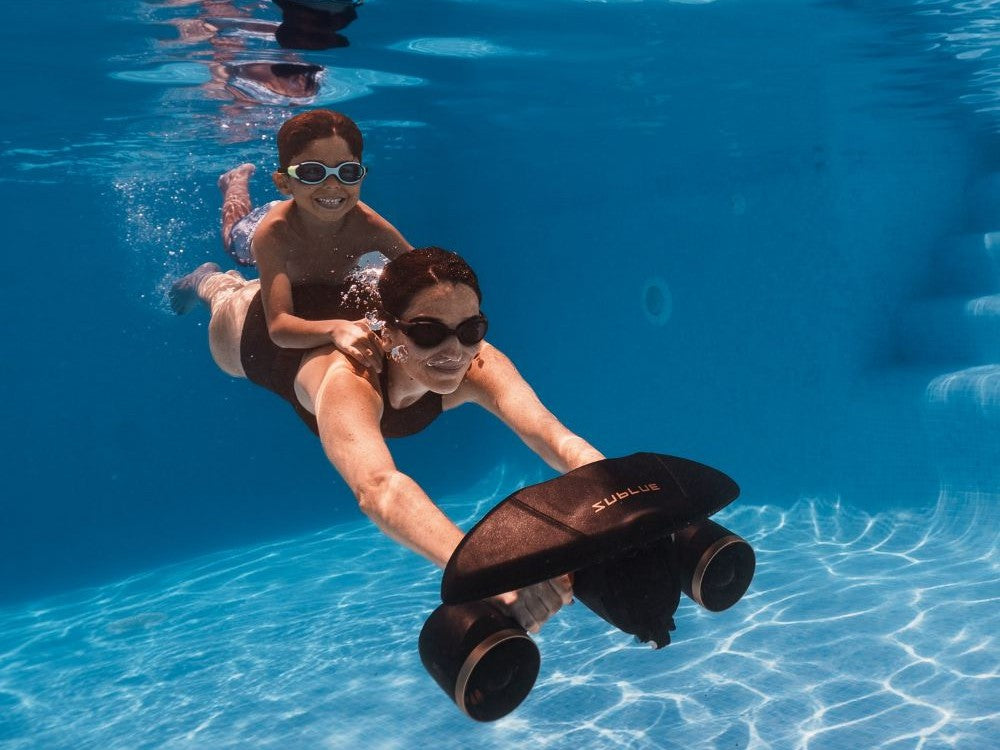
For travelers who want to add an underwater scooter / DPV to a French Polynesia vacation, the best use case is open-water cruising and exploration, rather than approaching marine animals.
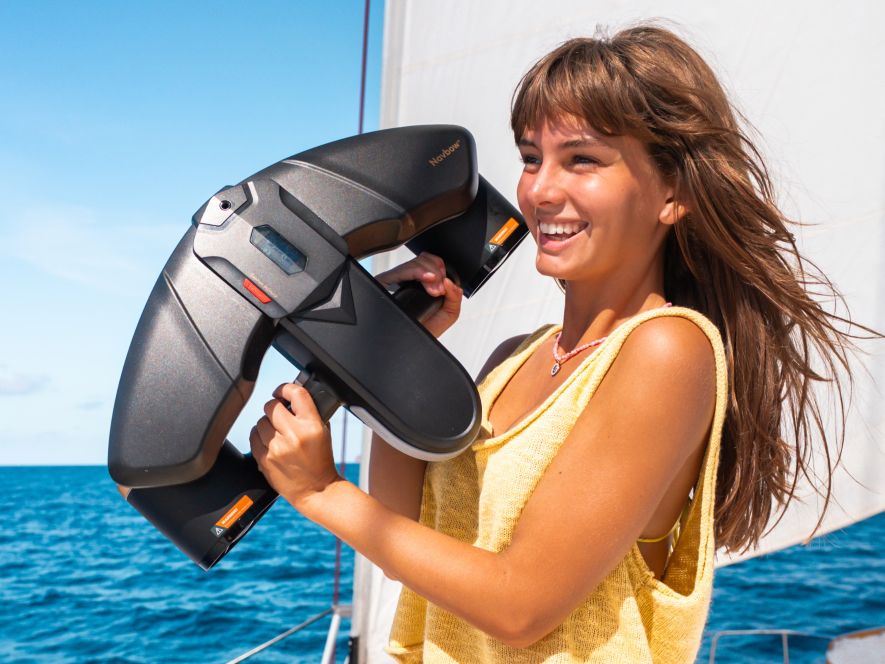
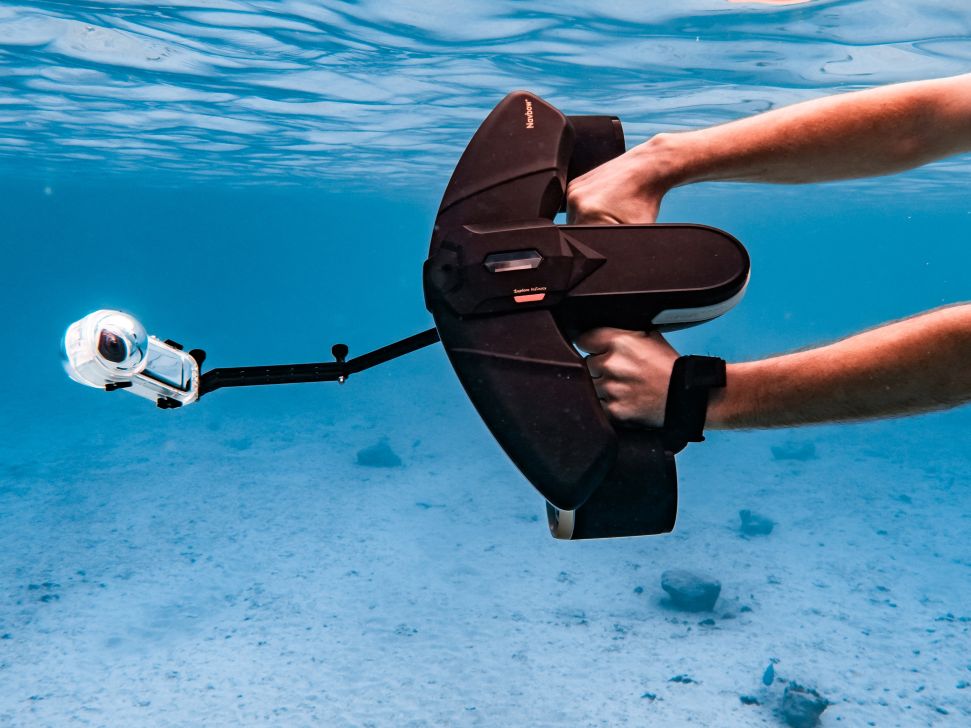
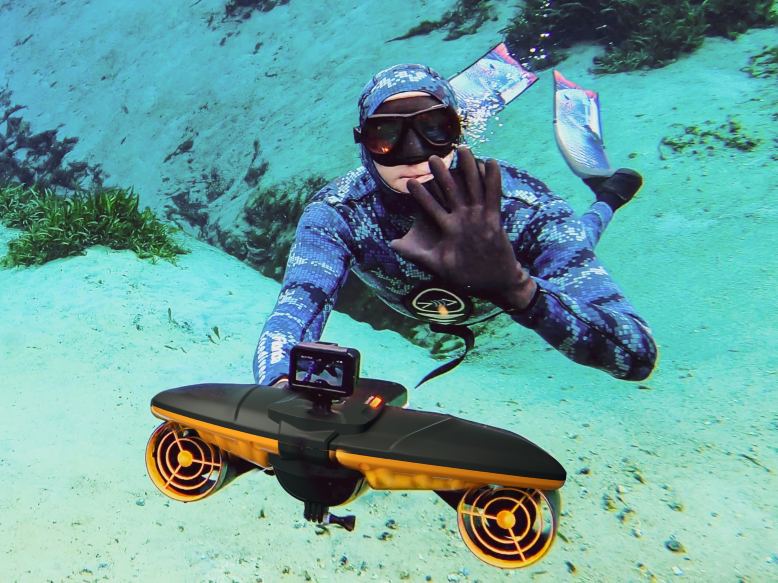
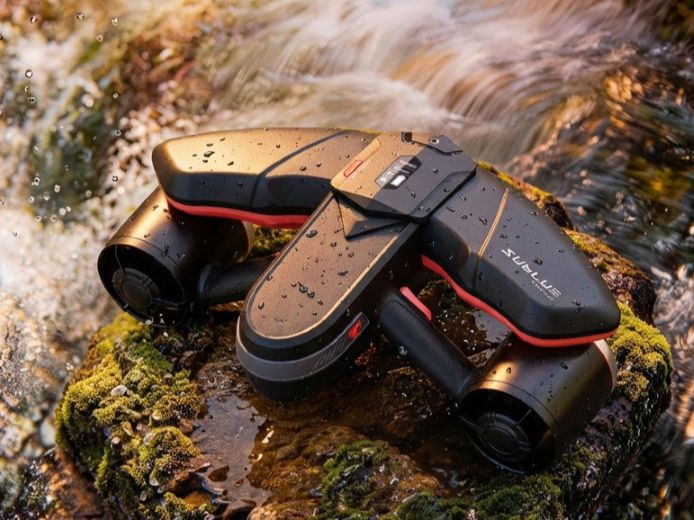
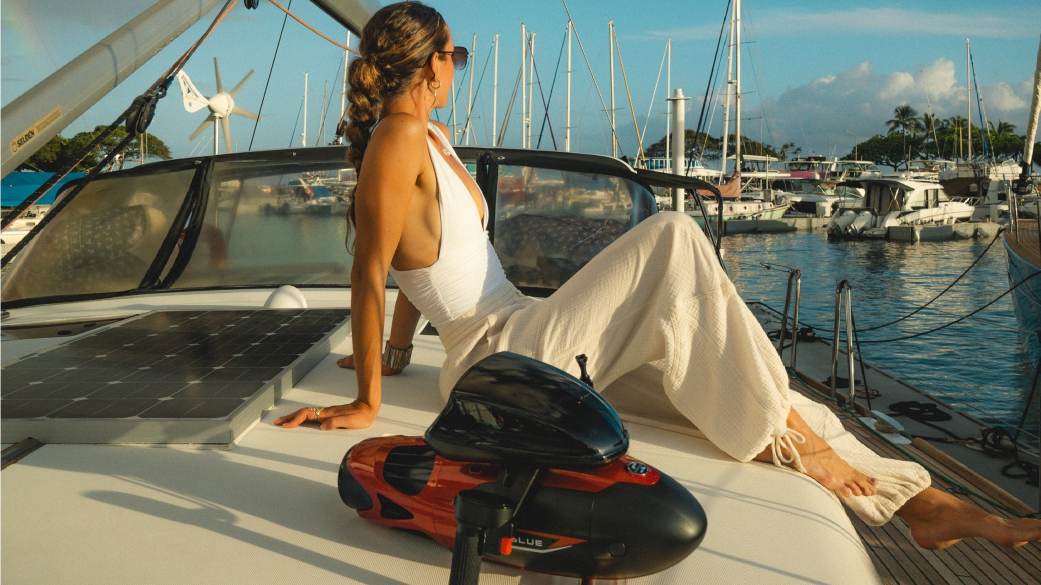
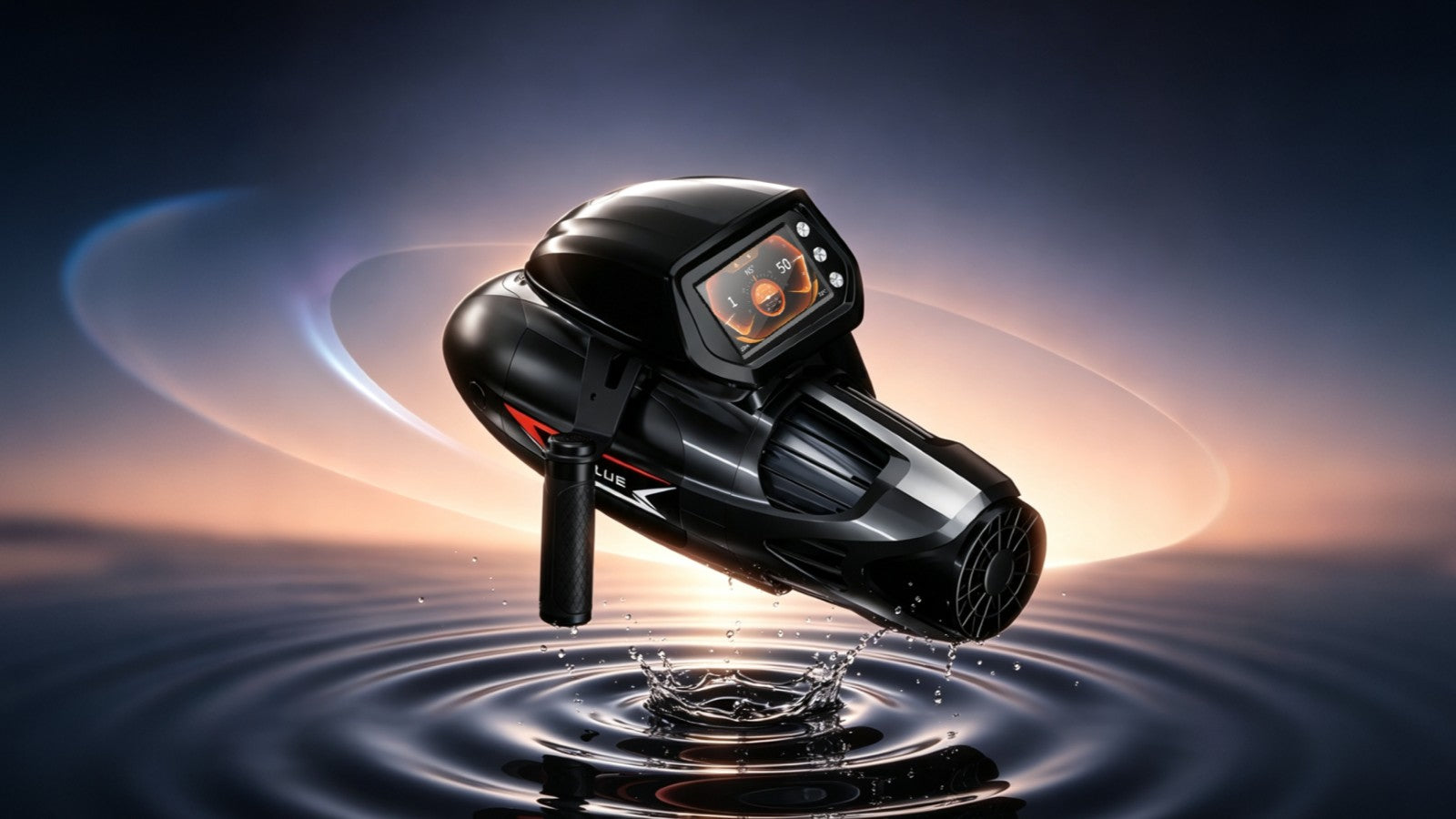
A model such as the Sublue Navbow Series offers three speeds up to 2 m/s, up to 60 minutes of runtime, a 40 m depth rating, positive buoyancy and camera-mount compatibility. That makes it useful for moving between underwater viewpoints and carrying an underwater filming setup.
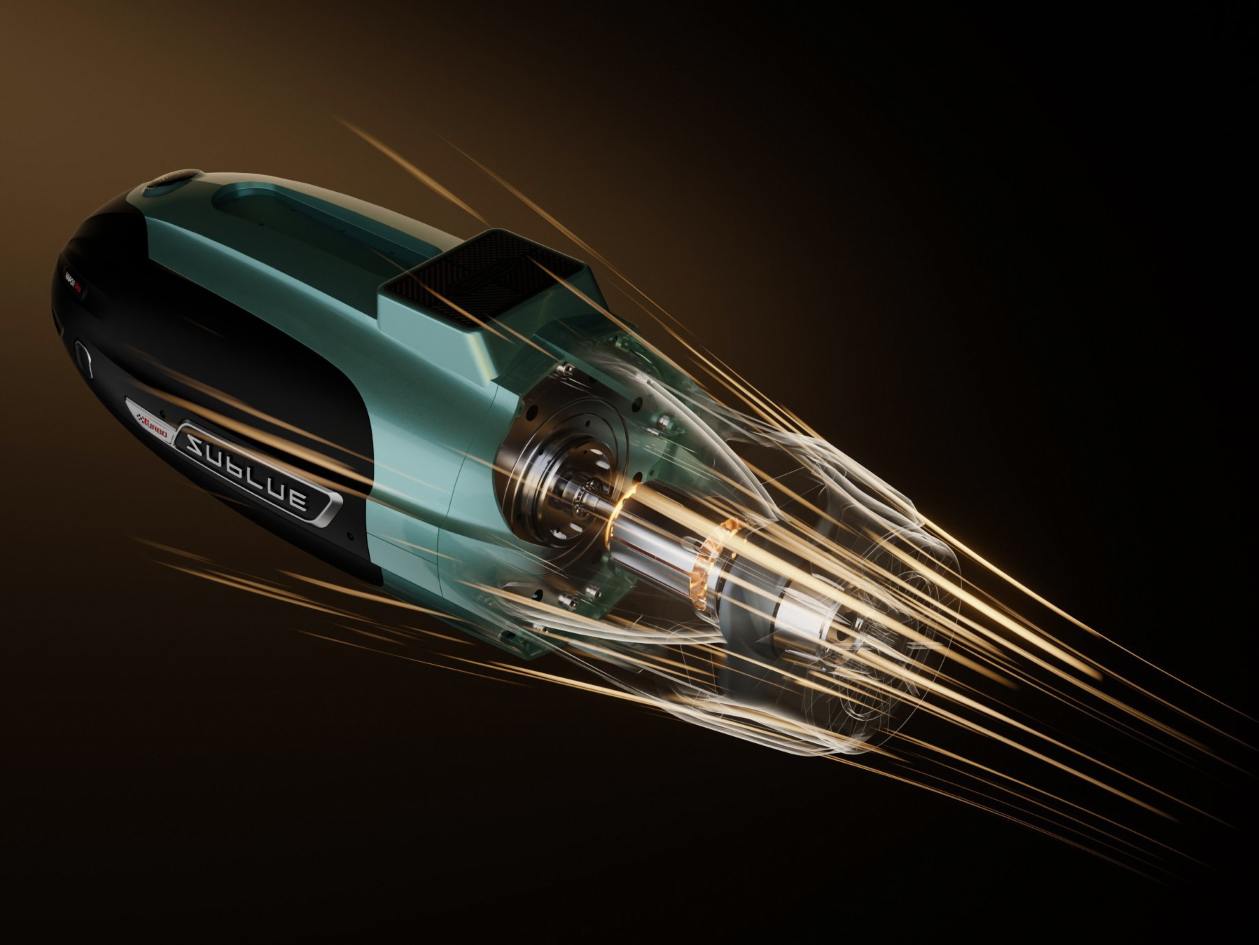
For a yacht-based trip, a higher-performance scooter such as Sublue VAPOR Series is designed specifically around fast open-water mobility, offering up to 12 km/h and 249 N of thrust.
A Little Local Culture
French Polynesia is not simply a beach destination. Polynesian culture is closely connected with the ocean, traditional navigation, food, dance and island communities.
In Moorea, travelers can combine lagoon activities with visits to cultural centers, local food experiences and traditional Polynesian activities.
Best September experience: Lagoon snorkeling + kayak + underwater filming + whale-watching excursion.
2. Yasawa Islands, Fiji
September Recommendation: ⭐⭐⭐⭐⭐
Best for: manta rays, coral reefs, snorkeling, kayaking, island hopping, family water activities
Fiji is one of the strongest September choices for travelers who want a classic tropical island experience without sacrificing serious marine life.
September falls toward the end of Fiji's dry season. Tourism Fiji describes September as a favorable month for outdoor activities, with relatively low rainfall and comfortable temperatures.
More importantly for ocean travelers, the Yasawa Islands offer a major seasonal attraction: manta rays.
Tourism Fiji states that May through October is the period when manta rays gather in a shallow channel near Drawaqa Island.
That makes September one of the best months to combine an island vacation with a genuine marine-life experience.
Water Conditions in September
- Water temperature: approximately 24–26°C
- Visibility: often around 25–30 meters at strong reef sites
- Weather: toward the end of the dry season
- Sea conditions: generally favorable, although local wind and currents can vary
Fiji's diving conditions can offer visibility of around 25–40 meters in good September conditions, particularly around outer reefs and marine protected areas.
What Can You See?
The Yasawa Islands are particularly known for:
- Manta rays
- Reef sharks
- Tropical reef fish
- Hard and soft corals
- Rays
- Sea turtles in some areas
The Yasawa region is also notable because it offers a relatively low-density island experience. Tourism Fiji's specialist information describes the islands as sparsely populated, with small villages and strong traditional culture. Snorkeling and kayaking are established activities in the region.

How to Play in the Water
The Yasawas are ideal for a combination of:
Snorkeling → Kayaking → Paddleboarding → Boat trips → Reef exploration
For a family water activity, kayaking and snorkeling are often the easiest combination.
An underwater scooter can add another dimension when used in suitable open-water areas and where local rules allow motorized recreational equipment. It is particularly useful for covering more distance without spending the entire session kicking with fins.
For a trip built around manta rays, however, the priority should be the animals—not speed. Maintain distance and follow the instructions of local guides.
A Little Local Culture
Fijian culture places strong emphasis on community, hospitality and village traditions.
One important tradition is sevusevu, a ceremony through which visitors formally seek permission to enter village lands, traditionally involving a gift of kava. Visitors are also expected to dress modestly and follow local etiquette.
Kava, known locally as yaqona, plays an important role in Fijian social and ceremonial life.
Best September experience: Manta-ray snorkeling + kayak + reef exploration + Fijian village experience.
3. Kerama Islands, Okinawa, Japan
September Recommendation: ⭐⭐⭐⭐⭐
Best for: beginner snorkeling, sea turtles, family water activities, kayaking, Japanese island culture
If you want a destination that is easier to combine with a broader Asia trip, Okinawa is one of the most practical September choices.
The Kerama Islands, including Zamami, Tokashiki and Aka, are particularly strong for clear water and accessible marine experiences.
The official Okinawa tourism guide describes the Keramas as a national park with extremely clear water and a remarkable concentration of coral species. More than 200 of Japan's roughly 400 coral species can be found around the islands.
Water Conditions in September
- Water temperature: approximately 26–27°C
- Visibility: often 30+ meters on good days
- Weather: still hot and suitable for marine sports
- Main concern: typhoons
September remains part of Okinawa's summer marine season, although typhoons can affect ferry schedules and water activities. The official Okinawa tourism guide specifically recommends checking the weather before planning marine activities.
What Can You See?
The Kerama Islands are known for:
- Green sea turtles
- Hawksbill turtles
- Loggerhead turtles
- Tropical fish
- Coral reefs
- Reef ecosystems
- Seasonal whale activity
Tokashiki Island is particularly well suited to visitors who want a combination of beaches, snorkeling and other watersports.
How to Play in the Water
For beginner snorkeling, Okinawa is one of the easiest destinations on this list.
A good day could look like:
Morning snorkeling → beach lunch → kayak/SUP → afternoon underwater filming
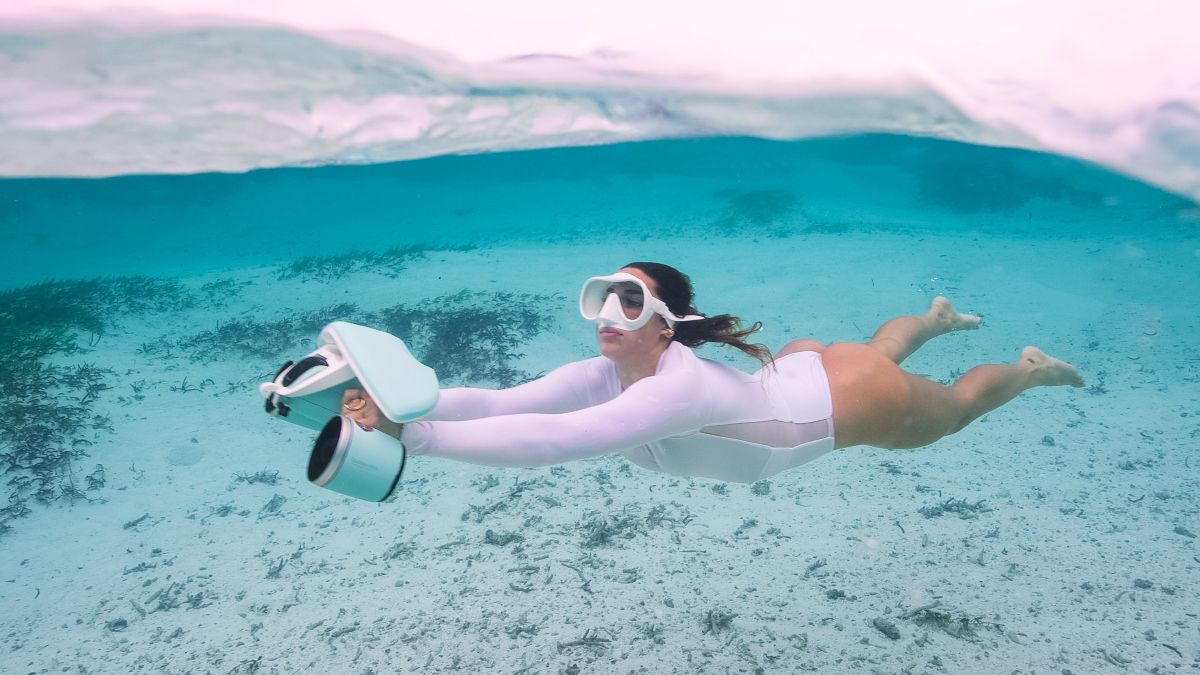
A compact underwater scooter can be useful for confident swimmers who want to explore a larger area, but shallow coral gardens are usually better explored slowly with fins and a mask.
For underwater photography, a scooter can help reduce the physical effort of moving while carrying a camera or waterproof phone setup. The SUBLUE Navbow, for example, supports action-camera mounting and is designed for snorkeling, freediving and recreational diving.

A Little Local Culture
Okinawa has a cultural identity distinct from mainland Japan, shaped by the historical Ryukyu Kingdom, island traditions, music, dance and local food.
September is also a good time to experience Okinawan performing arts and awamori, the island's traditional distilled spirit.
Best September experience: Kerama snorkeling + sea turtles + kayak + Okinawan cultural exploration.
4. Great Barrier Reef, Australia
September Recommendation: ⭐⭐⭐⭐
Best for: coral reefs, underwater filming, snorkeling, diving, marine biodiversity, family ocean experiences
The Great Barrier Reef is perhaps the strongest destination on this list if your primary goal is understanding and filming a large-scale reef ecosystem.
September sits inside the Australian dry season, which generally means clearer skies, calmer seas and strong underwater visibility.
Queensland's official tourism site describes September through November as a period of warm, clear water around the Cairns and Great Barrier Reef region.
Water Conditions in September
- Water temperature: approximately 24–26°C around Cairns
- Visibility: commonly 20–30 meters in good outer-reef conditions
- Sea conditions: generally calmer than the wet season
- Weather: dry-season conditions
Outer-reef visibility is typically strongest between May and October, often reaching 20–30 meters, although individual sites can vary considerably.
What Can You See?
The reef ecosystem contains an enormous variety of marine life, including:
- Sea turtles
- Reef sharks
- Manta rays
- Giant clams
- Tropical reef fish
- Hard and soft corals
- Wobbegong sharks
- Large reef fish
This makes the Great Barrier Reef particularly attractive for underwater filming.
How to Play in the Water
Queensland tourism promotes an unusually broad range of ways to experience the reef:
Snorkeling → Diving → Kayaking → Sailing → Reef cruises → Underwater filming
An underwater scooter can be useful for experienced swimmers and divers when permitted by the specific reef operator and site regulations. However, many commercial reef excursions are structured around snorkeling, diving and guided activities, so travelers should check whether a DPV / underwater scooter is allowed before bringing one.
For a camera-focused trip, a scooter can be paired with an action camera, waterproof phone case or underwater lighting system to create a more dynamic underwater filming setup.
A Little Local Culture
The Great Barrier Reef is closely connected to the cultures and histories of Australia's First Nations peoples, as well as Queensland's coastal communities.
A trip to Cairns can therefore combine reef exploration with rainforest experiences, Indigenous cultural experiences and visits to the Daintree region, where the reef and rainforest ecosystems meet.
Best September experience: Outer-reef snorkeling + underwater photography + reef cruise + rainforest exploration.

5. Red Sea, Egypt
September Recommendation: ⭐⭐⭐⭐
Best for: warm-water snorkeling, coral reefs, diving, underwater photography, long days on the water
If your priority is warm water and consistently strong September conditions, Egypt's Red Sea deserves a place in the top five.
For a first trip, consider Hurghada, El Gouna, Makadi Bay, Soma Bay or Sharm El-Sheikh depending on the type of vacation you want.
Water Conditions in September
- Water temperature: approximately 27–29°C
- Visibility: commonly 20–30+ meters at good sites
- Rain: extremely limited
- Sea: generally favorable, although wind can affect exposed locations
Hurghada's September water temperature averages around 28°C, making it one of the warmest destinations on this list. Good dive conditions can offer visibility above 30 meters.
September is therefore particularly attractive to travelers who dislike cold water.
What Can You See?
The Red Sea is famous for its:
- Hard and soft corals
- Butterflyfish
- Angelfish
- Parrotfish
- Lionfish
- Reef sharks
- Rays
- Moray eels
- Large schools of tropical fish
The combination of warm water and strong visibility makes the Red Sea especially attractive for underwater photography.
How to Play in the Water
A typical Red Sea water day can include:
Snorkeling → boat trip → diving → underwater filming → sunset cruise
An underwater scooter can be particularly useful for experienced divers who want to cover more underwater territory.
For recreational users, however, the same rule applies: use a scooter only where permitted, maintain a safe distance from reefs and marine life, and follow local dive-site instructions.
A Little Local Culture
One advantage of Egypt is that a Red Sea vacation does not need to stay entirely on the beach.
Depending on your itinerary, you can combine the coast with Egyptian food, traditional markets, desert excursions and historic sites.
This makes Egypt an interesting option for travelers who want an ocean vacation plus cultural travel, rather than an island-only holiday.
Best September experience: Warm-water snorkeling + Red Sea diving + underwater filming + desert/cultural excursion.

Final Verdict: Where Should You Go in September?
If you want to make September a month for a genuine ocean lifestyle rather than simply a beach holiday, these five destinations provide five different versions of the experience.
🥇 1. French Polynesia — Best Overall
Choose Moorea or Bora Bora if you want the most complete combination of clear lagoons, warm water, marine life, snorkeling, kayaking, boat trips and whale season.
🥈 2. Fiji — Best for Manta Rays
Choose the Yasawa Islands if encountering manta rays is high on your list. September falls directly within the seasonal manta window.
🥉 3. Okinawa — Best for Beginner-Friendly Exploration
Choose the Kerama Islands if you want warm, exceptionally clear water, sea turtles, snorkeling and easy-to-combine family activities.
4. Great Barrier Reef — Best for Reef Biodiversity
Choose Cairns and the outer Great Barrier Reef if your priority is coral ecosystems, marine biodiversity and underwater photography.
5. Red Sea, Egypt — Best for Warm Water
Choose Hurghada or Sharm El-Sheikh if you want exceptionally warm September water, strong visibility and long days of snorkeling and diving.
The larger trend is simple: September is an excellent month to move beyond traditional beach vacations and build a complete ocean experience. Combine snorkeling, kayaking, underwater filming, boat trips and underwater scooter exploration where conditions and local regulations allow.
And if an electric underwater scooter / DPV is part of your travel plan, choose the destination first, check local operating rules second, and then select the equipment that fits the type of water experience you actually want.
Share:
SUBLUE Navbow vs JOBE: Which Recreational Underwater Scooter Should You Buy?
10 Marine Animals You Can See in September